

On This Day in Pop: August 28, 2009
On August 28, 2009, Noel Gallagher left Oasis before a Paris-area festival appearance. Minutes before the band was due at Rock en Seine, organizers announced that a backstage altercation had forced the performance’s cancellation. Noel Gallagher soon posted that he was leaving Oasis, saying he could no longer work with his brother Liam. The band had survived years of arguments, lineup changes and public insults while remaining one of Britain’s largest rock acts. The brothers’ antagonism was both a genuine working problem and part of the group’s media identity, making it difficult for outsiders to know when conflict had become final. The date is a useful point of entry because it captures the event before later reputation made its consequences appear inevitable. Contemporary audiences encountered a new release, performance or public loss in real time, with incomplete information and expectations shaped by the media and institutions of the period.
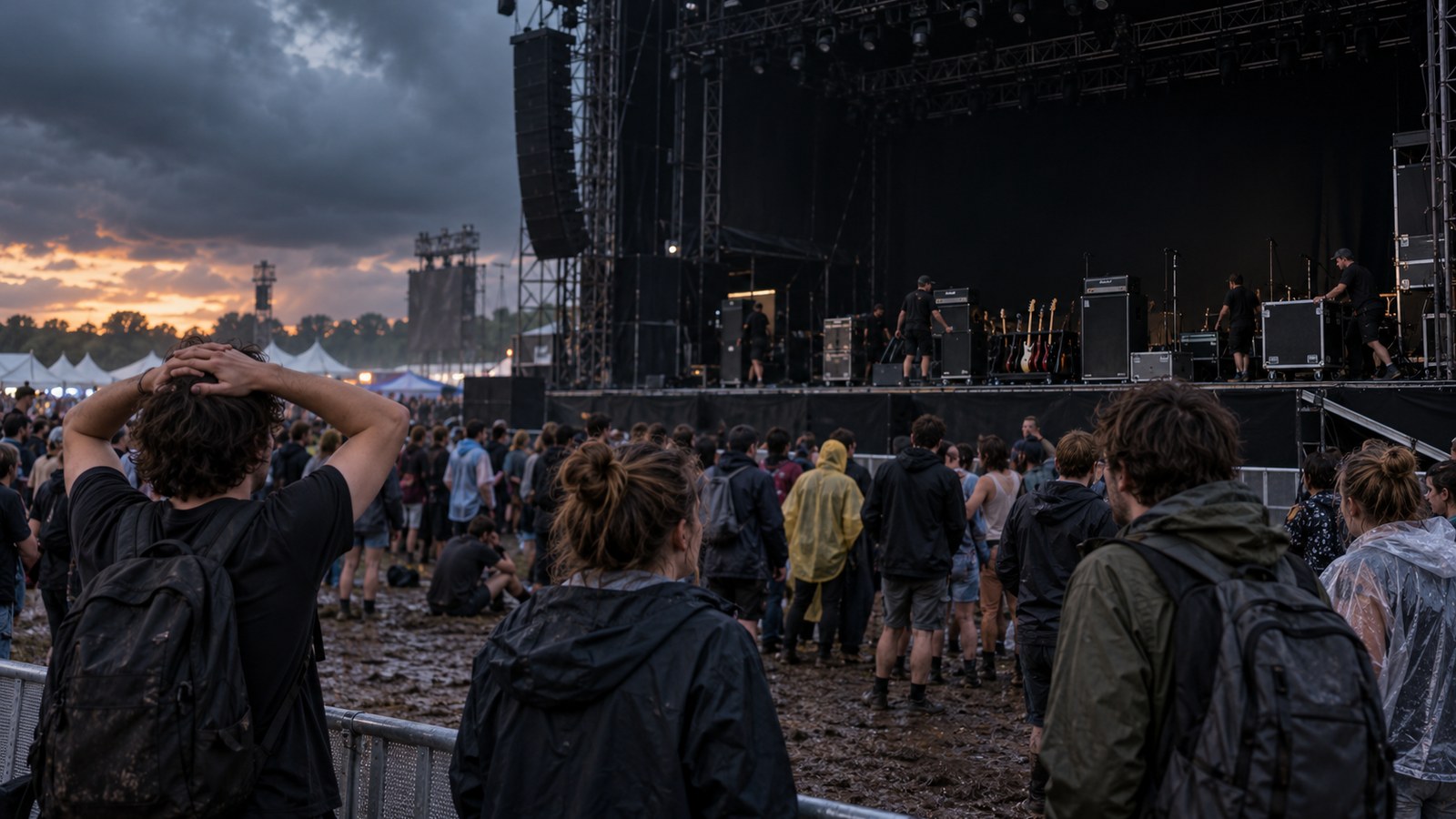
A festival crowd encountered the breakup first as an empty time slot and an announcement rather than a planned farewell. The abrupt ending emphasized how touring depends on fragile backstage relationships invisible to audiences until they fail. Popular culture is created through more than the famous person at the center: producers, technicians, exhibitors, broadcasters, audiences and physical venues all affect what survives. Looking closely at those conditions prevents an anniversary from becoming a list of familiar names and restores the choices, limitations and competing interests that surrounded the moment.
Noel formed Noel Gallagher’s High Flying Birds, while Liam and other members continued as Beady Eye before his solo career. The Oasis catalog grew even larger in absence, and years of reunion speculation became a continuing part of the band’s public story. That later history matters because influence is not a straight line. Works are rediscovered, technologies change, communities attach new meanings and commercial owners repackage the past. The most durable pop events remain open to argument, allowing admiration for creative achievement to exist beside criticism of exclusion, labor, power or representation.
August 28 marks an ending without closure: no last song, only a canceled set and a statement. That incompleteness helped keep the breakup active in fan culture, proving that a missing performance can generate as much memory as a completed one. Anniversaries can flatten history into celebration, but they can also reopen it. Returning to this August date means separating what participants knew then from what later audiences added, and noticing how recordings, photographs, broadcasts and personal memories keep the event active. That distance between the immediate moment and its long afterlife is what makes this episode worth revisiting as part of popular culture.
Oasis canceled its Rock en Seine appearance on August 28, 2009.
On August 28, 2009, Noel Gallagher left Oasis before a Paris-area festival appearance. Minutes before the band was due at Rock en Seine, organizers announced that a backstage altercation had forced the performance's cancellation.
Noel Gallagher announced that evening that he was leaving the band.
A festival crowd encountered the breakup first as an empty time slot and an announcement rather than a planned farewell. The abrupt ending emphasized how touring depends on fragile backstage relationships invisible to audiences until they fail.
Separate post-Oasis careers and persistent reunion speculation kept the breakup in public view.
Noel formed Noel Gallagher's High Flying Birds, while Liam and other members continued as Beady Eye before his solo career. The Oasis catalog grew even larger in absence, and years of reunion speculation became a continuing part of the band's public story.
Explore more of "On This Day ..."
Discover more events from the same date across news, politics, technology, sports, and other fields. Each link highlights significant moments that shaped history on different fronts.