

On This Day in Pop: August 29, 1966
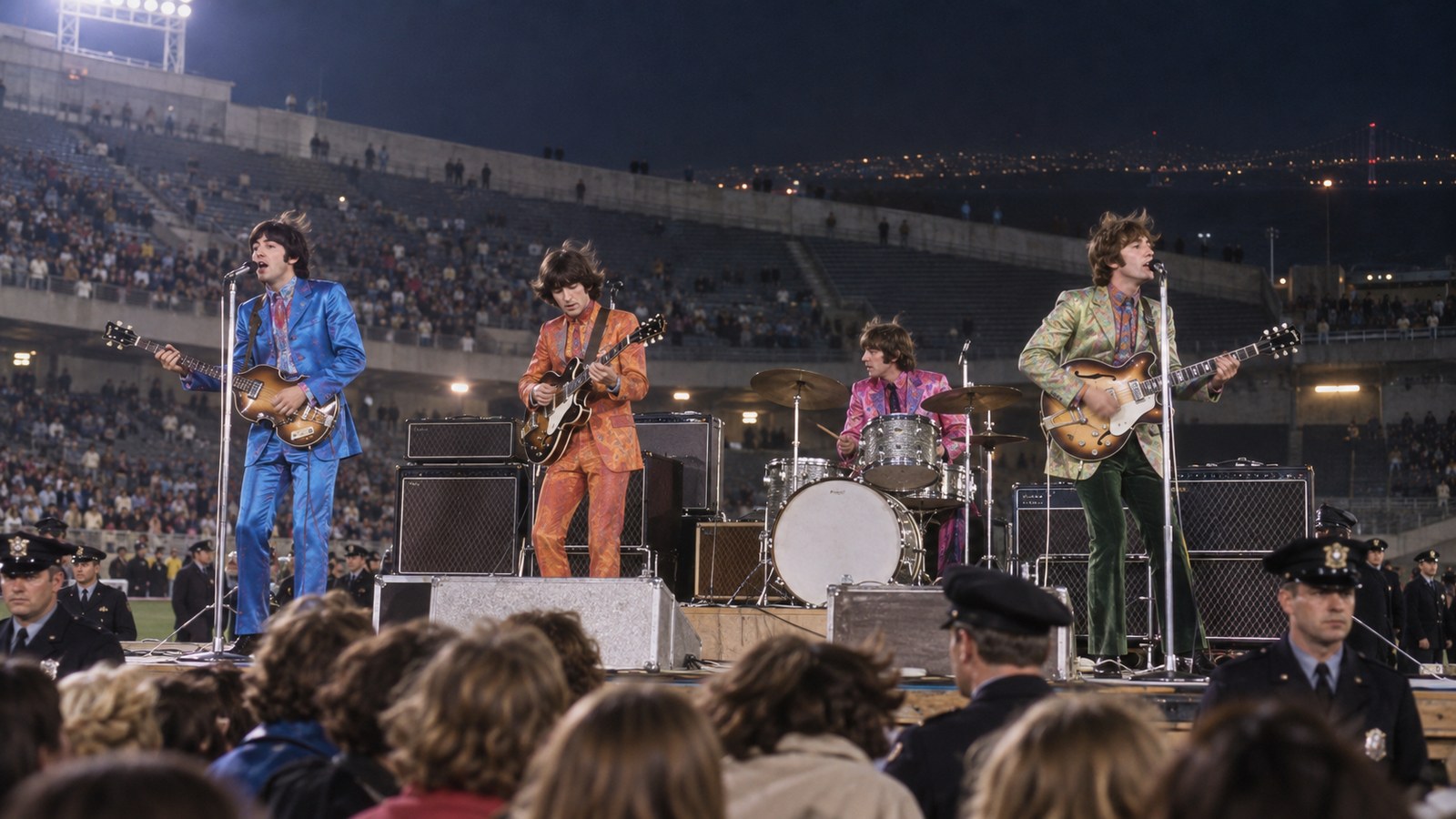
On August 29, 1966, the Beatles played their final paid concert at Candlestick Park. The group performed an eleven-song set in the San Francisco stadium, unaware to most of the audience that no further tour had been scheduled. Press officer Tony Barrow recorded the show on cassette at Paul McCartney’s request, though the tape ran out during the final song. Years of screaming crowds, primitive amplification, security danger and controversy had made touring increasingly unrewarding. The musicians were creating studio work too complex to reproduce with their stage equipment, widening the distance between the records and the live act. The date is a useful point of entry because it captures the event before later reputation made its consequences appear inevitable. Contemporary audiences encountered a new release, performance or public loss in real time, with incomplete information and expectations shaped by the media and institutions of the period.
Ending paid concerts was a radical choice for a young band at the height of demand. It removed a major source of income and public contact but gave the Beatles time to treat recording as their primary creative environment. Popular culture is created through more than the famous person at the center: producers, technicians, exhibitors, broadcasters, audiences and physical venues all affect what survives. Looking closely at those conditions prevents an anniversary from becoming a list of familiar names and restores the choices, limitations and competing interests that surrounded the moment.
The group returned to EMI and began work that led to Sgt. Pepper’s Lonely Hearts Club Band. They performed again for filmed projects and in the unannounced 1969 rooftop set, but Candlestick remained the final conventional ticketed concert. That later history matters because influence is not a straight line. Works are rediscovered, technologies change, communities attach new meanings and commercial owners repackage the past. The most durable pop events remain open to argument, allowing admiration for creative achievement to exist beside criticism of exclusion, labor, power or representation.
August 29 is both an ending and an opening. By stepping away from the road, the Beatles helped normalize the idea that a major rock group could lead culture through records alone, even as the final stadium tape preserves the rough conditions they escaped. Anniversaries can flatten history into celebration, but they can also reopen it. Returning to this August date means separating what participants knew then from what later audiences added, and noticing how recordings, photographs, broadcasts and personal memories keep the event active. That distance between the immediate moment and its long afterlife is what makes this episode worth revisiting as part of popular culture.
The Beatles played Candlestick Park on August 29, 1966.
On August 29, 1966, the Beatles played their final paid concert at Candlestick Park. The group performed an eleven-song set in the San Francisco stadium, unaware to most of the audience that no further tour had been scheduled.
It was their final paid public concert, though they later performed on the Apple rooftop.
Ending paid concerts was a radical choice for a young band at the height of demand. It removed a major source of income and public contact but gave the Beatles time to treat recording as their primary creative environment.
Leaving touring allowed the band to concentrate on increasingly complex studio work.
The group returned to EMI and began work that led to Sgt. Pepper's Lonely Hearts Club Band.
Explore more of "On This Day ..."
Discover more events from the same date across news, politics, technology, sports, and other fields. Each link highlights significant moments that shaped history on different fronts.