

On This Day in Pop: October 12, 1971
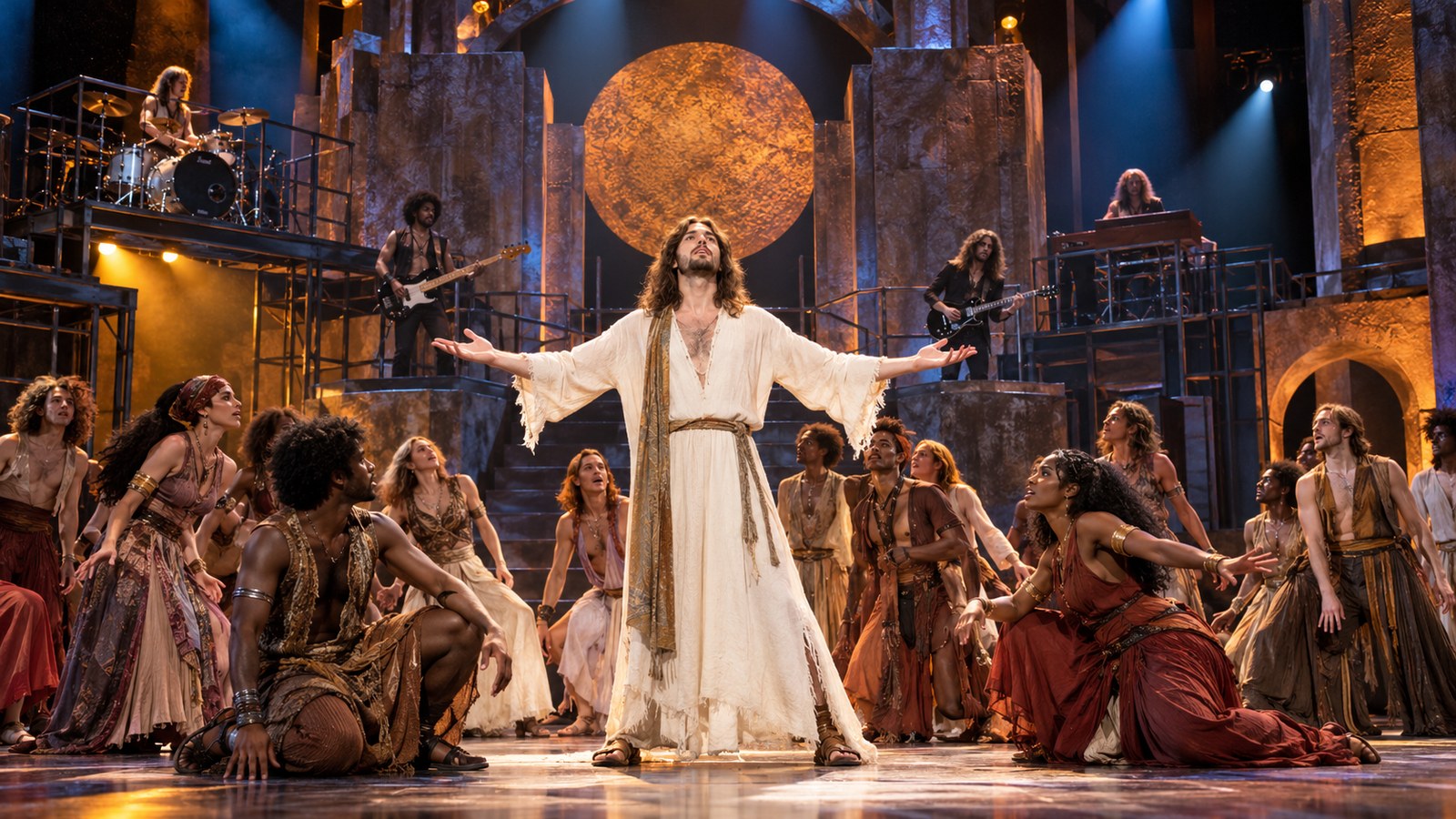
On October 12, 1971, Jesus Christ Superstar opened at Broadway’s Mark Hellinger Theatre. The rock opera presented the final days of Jesus largely through Judas’s conflicted perspective, using amplified voices, electric instruments and an intentionally theatrical visual world. Ben Vereen played Judas, Jeff Fenholt played Jesus and Yvonne Elliman played Mary Magdalene. Andrew Lloyd Webber and Tim Rice first achieved success with the work as a concept album because producers were uncertain about staging it. Tom O’Horgan directed the Broadway version with kinetic spectacle that differed from later productions. The date captures the event before later reputation made its consequences look inevitable, when audiences encountered a new release, performance or institution with only the expectations available at the time.
The musical brought rock language and religious narrative into a major commercial theater, provoking devotion, protest and debate. Its humanized characters invited audiences to hear familiar events through doubt, celebrity and political pressure. Popular culture is never made by a famous name alone. Writers, performers, producers, technicians, broadcasters, retailers, venues and audiences shape what becomes visible and what survives. Their collaboration also determines which experiments reach the public and which disappear before they can build momentum. Looking at those conditions turns an anniversary from a list entry into a record of choices, limits and competing interests.
The Broadway run lasted more than seven hundred performances, followed by film, touring companies and frequent revivals. Songs including ‘Superstar’ and ‘I Don’t Know How to Love Him’ developed lives beyond the show. That afterlife matters because influence does not move in a straight line. Reruns, reissues, new technology, criticism and community memory can change the meaning of a work long after its first appearance. Durable pop history therefore holds creative achievement beside questions of labor, access, power and representation.
Opening night confirmed that a recording could function as the blueprint and publicity engine for a stage musical. The work’s continued production shows how disagreement can become part of a piece’s durability. Returning to this October date means separating what participants knew then from what later audiences added. Recordings, photographs, broadcasts and recollections keep the moment active, but they also select and reshape it. That distinction protects against hindsight: a chart position, premiere, publication, concert or opening may become a neat milestone later, but the people present still faced uncertainty. Reading the moment in both directions—through its original conditions and its accumulated meanings—keeps celebration from replacing history. The distance between the immediate event and its continuing interpretation is what makes this episode worth revisiting.
Jesus Christ Superstar opened on Broadway on October 12, 1971.
On October 12, 1971, Jesus Christ Superstar opened at Broadway's Mark Hellinger Theatre. The rock opera presented the final days of Jesus largely through Judas's conflicted perspective, using amplified voices, electric instruments and an intentionally theatrical visual world.
Ben Vereen starred as Judas.
The musical brought rock language and religious narrative into a major commercial theater, provoking devotion, protest and debate. Its humanized characters invited audiences to hear familiar events through doubt, celebrity and political pressure.
The project had first become a hit concept album.
The Broadway run lasted more than seven hundred performances, followed by film, touring companies and frequent revivals. Songs including 'Superstar' and 'I Don't Know How to Love Him' developed lives beyond the show.
Explore more of "On This Day ..."
Discover more events from the same date across news, politics, technology, sports, and other fields. Each link highlights significant moments that shaped history on different fronts.