

On This Day in Pop: October 29, 1993
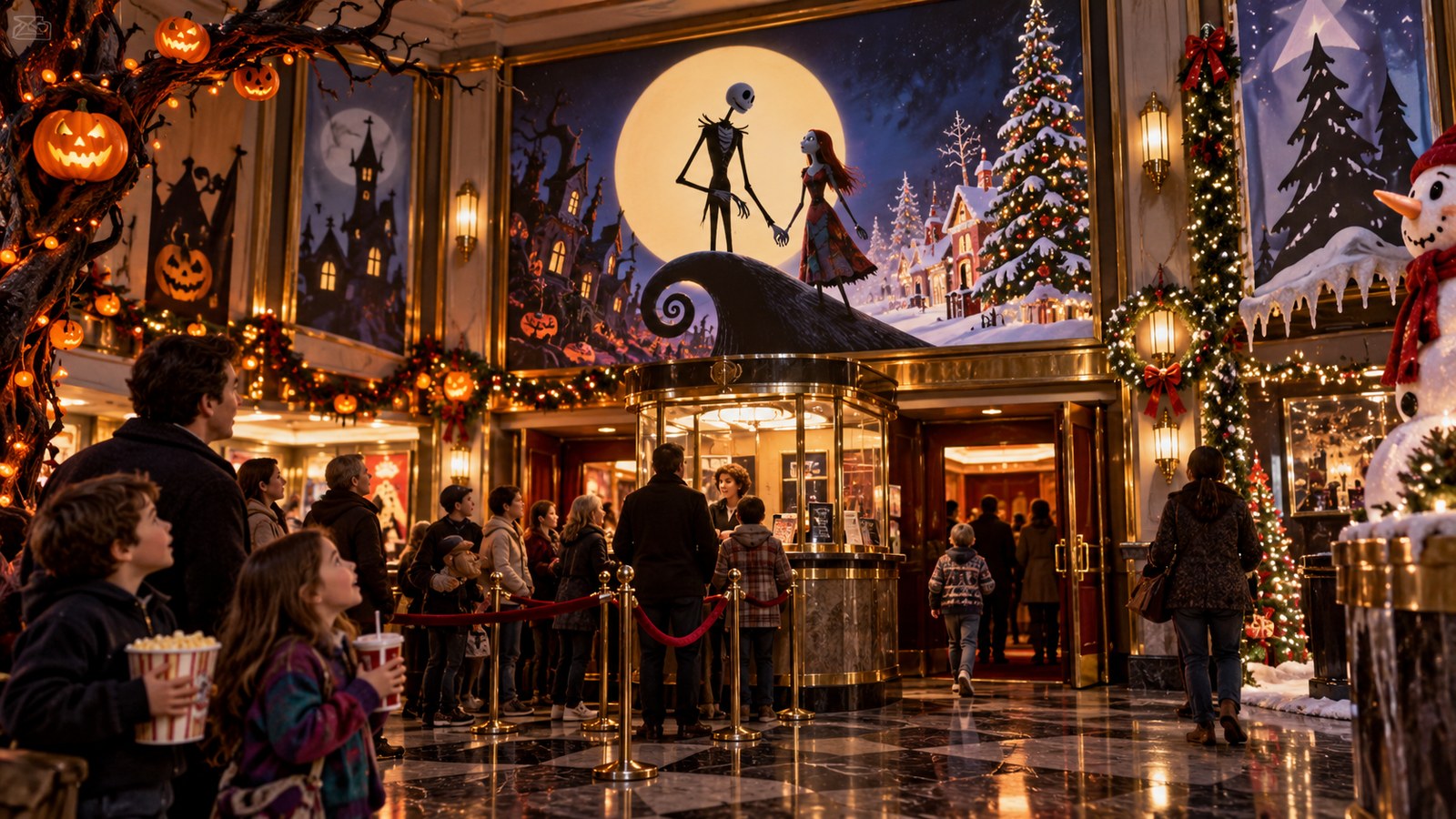
On October 29, 1993, The Nightmare Before Christmas entered general theatrical release. Henry Selick’s stop-motion feature followed a skeletal ruler of a Halloween world who becomes fascinated by Christmas and attempts to reproduce it. Danny Elfman’s songs and singing voice joined carefully animated puppets, sets and expressive lighting. Tim Burton created the story and characters from an earlier poem and produced the project while Selick directed. Artists working in San Francisco photographed thousands of incremental puppet movements to build the film frame by frame. The date captures the event before later reputation made its consequences look inevitable, when audiences encountered a new release, performance or institution with only the expectations available at the time.
The release offered a dark handcrafted alternative to the dominant look of family animation. Disney issued it under the Touchstone label, signaling uncertainty about whether the imagery would fit the company’s main family brand. Popular culture is never made by a famous name alone. Writers, performers, producers, technicians, broadcasters, retailers, venues and audiences shape what becomes visible and what survives. Their collaboration also determines which experiments reach the public and which disappear before they can build momentum. Looking at those conditions turns an anniversary from a list entry into a record of choices, limits and competing interests.
Initial box office was respectable rather than overwhelming, but home video, annual Halloween screenings and merchandise expanded the audience. A later 3-D conversion and theme-park overlays turned the film into a recurring seasonal institution. That afterlife matters because influence does not move in a straight line. Reruns, reissues, new technology, criticism and community memory can change the meaning of a work long after its first appearance. Durable pop history therefore holds creative achievement beside questions of labor, access, power and representation.
The general release began a slow cultural ascent rather than an instant conquest. Its mixture of holidays, melancholy and tactile design rewarded repeat discovery, allowing a once-unusual film to become familiar without losing its strangeness. Returning to this October date means separating what participants knew then from what later audiences added. Recordings, photographs, broadcasts and recollections keep the moment active, but they also select and reshape it. That distinction protects against hindsight: a chart position, premiere, publication, concert or opening may become a neat milestone later, but the people present still faced uncertainty. Reading the moment in both directions—through its original conditions and its accumulated meanings—keeps celebration from replacing history. The distance between the immediate event and its continuing interpretation is what makes this episode worth revisiting.
The film entered general release on October 29, 1993.
On October 29, 1993, The Nightmare Before Christmas entered general theatrical release. Henry Selick's stop-motion feature followed a skeletal ruler of a Halloween world who becomes fascinated by Christmas and attempts to reproduce it.
Henry Selick directed the stop-motion feature.
The release offered a dark handcrafted alternative to the dominant look of family animation. Disney issued it under the Touchstone label, signaling uncertainty about whether the imagery would fit the company's main family brand.
Tim Burton created the story and characters.
Initial box office was respectable rather than overwhelming, but home video, annual Halloween screenings and merchandise expanded the audience. A later 3-D conversion and theme-park overlays turned the film into a recurring seasonal institution.
Explore more of "On This Day ..."
Discover more events from the same date across news, politics, technology, sports, and other fields. Each link highlights significant moments that shaped history on different fronts.