

On This Day in Pop: November 11, 1938
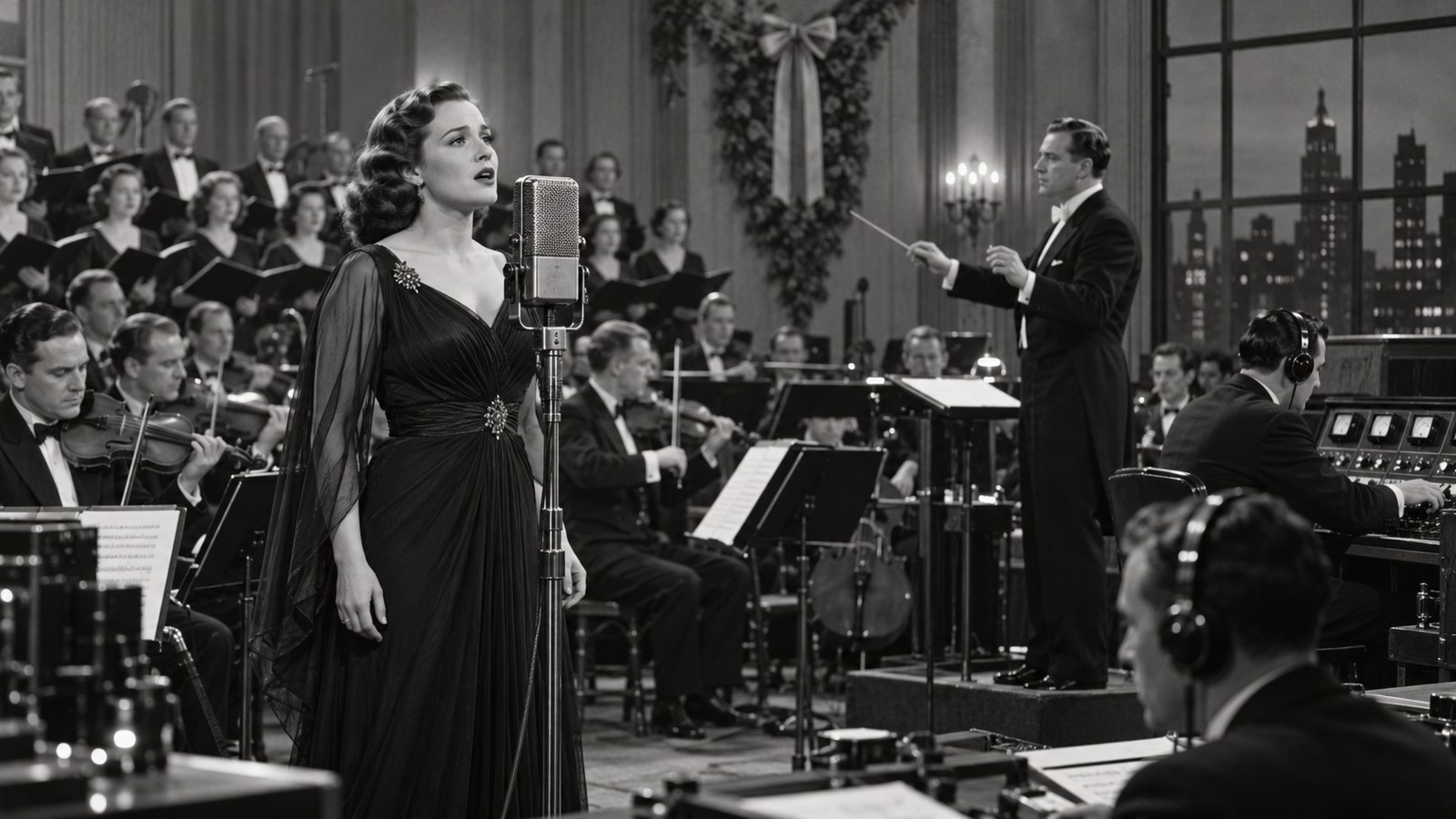
On November 11, 1938, Kate Smith introduced Irving Berlin’s revised God Bless America on her CBS radio program. Smith sang with orchestra and chorus during an Armistice Day broadcast, giving a national audience its first hearing of the song. Berlin had written an earlier version in 1918 and revised words he believed no longer suited the political moment. Manager Ted Collins asked Berlin for a patriotic number as Europe moved toward war. The songwriter retrieved the shelved piece, added an introductory verse and directed royalties toward youth organizations after its success. The date captures the event before later reputation made its consequences look inevitable, when audiences encountered a new release, performance or institution with only the expectations available at the time.
The performance showed radio’s power to make a new song feel immediately communal. Its broad language encouraged unity, yet later debates over patriotism, performance history and Smith’s other recordings complicated simple celebration. Popular culture is never made by a famous name alone. Writers, performers, producers, technicians, broadcasters, retailers, venues and audiences shape what becomes visible and what survives. Their collaboration also determines which experiments reach the public and which disappear before they can build momentum. Looking at those conditions turns an anniversary from a list entry into a record of choices, limits and competing interests.
The song became Smith’s signature and a recurring feature at public ceremonies and sporting events. Congress considered it as a possible national anthem, while countless artists recorded versions in changing political contexts. That afterlife matters because influence does not move in a straight line. Reruns, reissues, new technology, criticism and community memory can change the meaning of a work long after its first appearance. Durable pop history therefore holds creative achievement beside questions of labor, access, power and representation.
The broadcast created one of America’s most durable unofficial anthems. Its afterlife demonstrates how a song can gather meanings far beyond a writer’s first purpose and remain open to both attachment and criticism. Returning to this November date means separating what participants knew then from what later audiences added. Recordings, photographs, broadcasts and recollections keep the moment active, but they also select and reshape it. That distinction protects against hindsight: a chart position, premiere, publication, concert or opening may become a neat milestone later, but the people present still faced uncertainty. Reading the moment in both directions—through its original conditions and its accumulated meanings—keeps celebration from replacing history. The distance between the immediate event and its continuing interpretation is what makes this episode worth revisiting.
The radio premiere occurred on November 11, 1938.
On November 11, 1938, Kate Smith introduced Irving Berlin's revised God Bless America on her CBS radio program. Smith sang with orchestra and chorus during an Armistice Day broadcast, giving a national audience its first hearing of the song.
Irving Berlin wrote and revised the song.
The performance showed radio's power to make a new song feel immediately communal. Its broad language encouraged unity, yet later debates over patriotism, performance history and Smith's other recordings complicated simple celebration.
Kate Smith introduced it on The Kate Smith Hour.
The song became Smith's signature and a recurring feature at public ceremonies and sporting events. Congress considered it as a possible national anthem, while countless artists recorded versions in changing political contexts.
Explore more of "On This Day ..."
Discover more events from the same date across news, politics, technology, sports, and other fields. Each link highlights significant moments that shaped history on different fronts.