

On This Day in Science: November 26, 2011
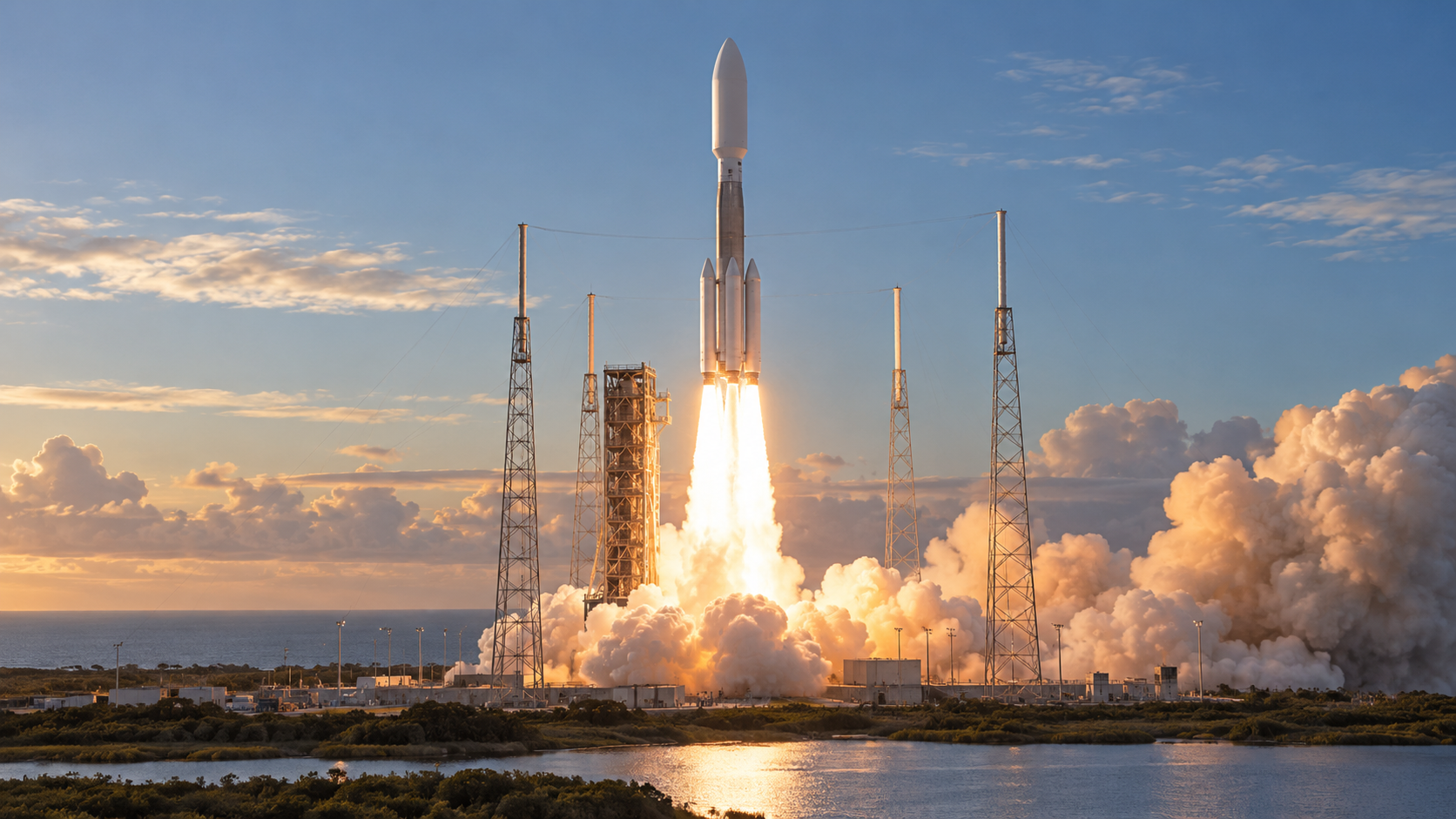
On November 26, 2011, an Atlas V rocket launched NASA’s Mars Science Laboratory from Cape Canaveral with the Curiosity rover inside its protective aeroshell.
The car-sized rover carried cameras, spectrometers, environmental sensors, a drill, and laboratories for analyzing powdered rock and soil.
Curiosity landed in Gale Crater in August 2012 using a new sky-crane maneuver that lowered the rover on cables beneath a hovering descent stage.
Its measurements found ancient river, lake, and groundwater environments with chemical ingredients and conditions that could have supported microbial life. The surviving record remains scientifically valuable. Placed in a longer timeline, the event was a junction rather than a finished answer. Earlier discoveries and technical work made it possible, while later teams tested its limits and applied the result in new settings. That traceable sequence of evidence and revision is what turns one day into a durable part of scientific history. The episode also separates a first demonstration from mature understanding. A successful observation or flight can settle one question while exposing harder problems in reliability, interpretation, safety, and scale. Preserved data allow later generations to revisit the achievement without confusing what was known on the date with what became clear afterward. Its calendar date is an entry point rather than an endpoint. The people involved worked with the tools, assumptions, institutions, and social conditions of their time. Later research has extended some conclusions and corrected others, showing how science advances by keeping evidence open to comparison instead of treating a memorable event as final. What makes the event scientifically important is not only priority, but the ability of others to check, repeat, compare, or build on the result. That process can reveal limitations hidden by the excitement of a first success. It also explains why careful archives and transparent measurements matter as much as the date remembered by the public. Modern interpretations benefit from evidence that the original participants did not possess. New instruments and analytical methods can recover additional detail, while historical scholarship clarifies questions of credit, context, and consequence. Holding the original achievement and those later corrections together produces a more accurate account than either celebration or dismissal alone. The anniversary also illustrates how a scientific milestone becomes useful through records that later researchers can inspect. Instruments, notebooks, images, specimens, and engineering reports preserve more than a celebratory date: they show what was actually measured, what remained uncertain, and how conclusions changed as better methods became available.
Curiosity prepares samples and studies them inside the rover.
Remote instruments also examine rocks before the team chooses drilling targets.
The landing site contains a mountain built from layered sediments.
Driving upward lets the rover read changes in environment through time.
The mission was not designed to detect living organisms directly.
It tests whether ancient Mars offered water, energy, chemistry, and stable conditions for life.
Explore more of "On This Day ..."
Discover more events from the same date across news, politics, technology, sports, and other fields. Each link highlights significant moments that shaped history on different fronts.