

On This Day in Sports: January 10, 1982
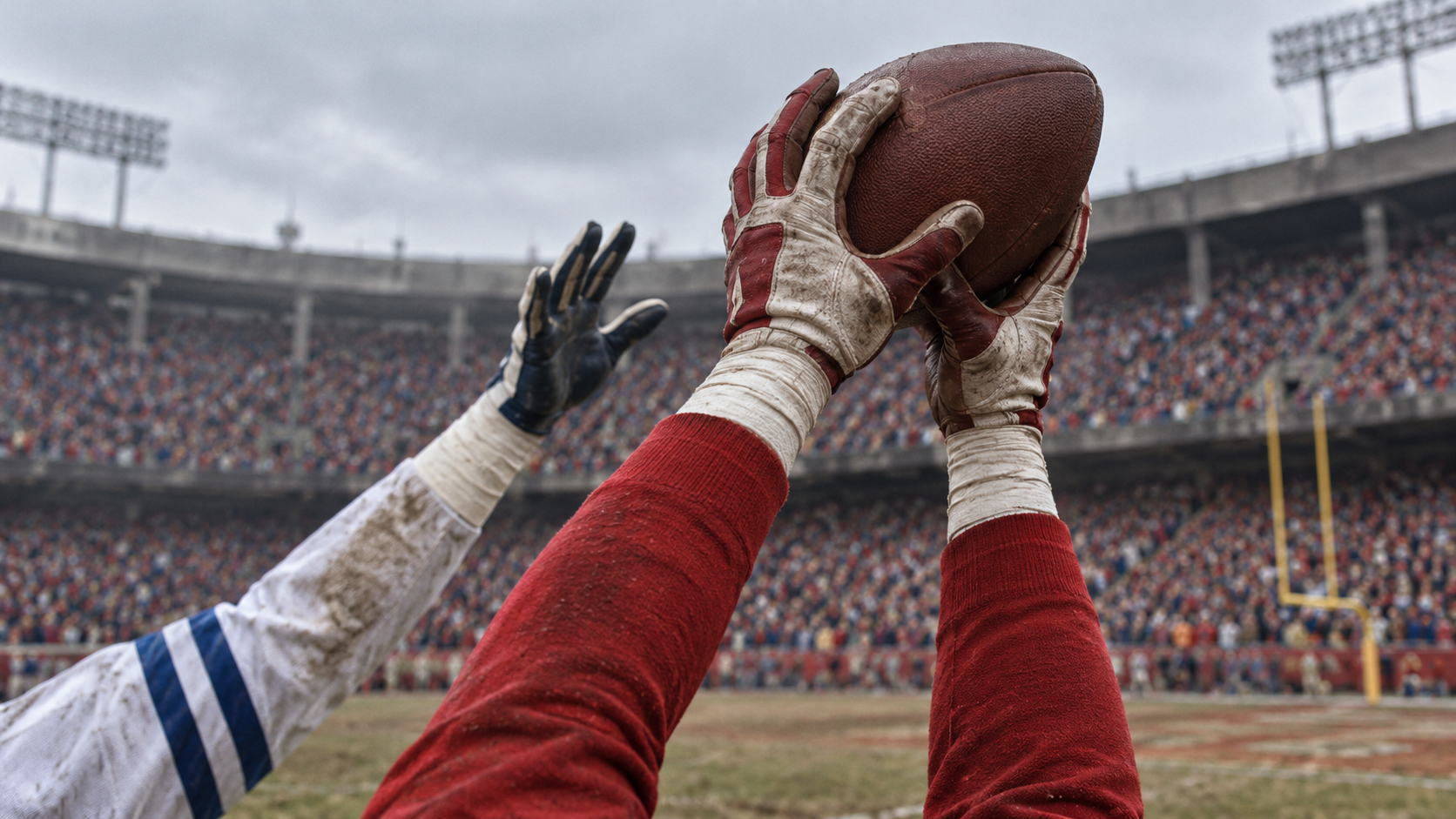
On January 10, 1982, at Candlestick Park in San Francisco, Dwight Clark caught Joe Montana’s six-yard touchdown pass with less than a minute remaining to give the 49ers a 28–27 victory over the Dallas Cowboys in the NFC Championship Game. The play, soon known simply as “The Catch,” completed an 89-yard drive and sent San Francisco to its first Super Bowl. Clark rose at the back of the end zone with Cowboys defender Everson Walls trailing the route, secured Montana’s high throw, and came down in bounds. The image became the signature moment of a franchise that was about to change the balance of the NFL.
Dallas had represented the NFC in five previous Super Bowls and carried the experience of coach Tom Landry’s established contender. San Francisco had improved rapidly under coach Bill Walsh, whose precision passing offense depended on timing, short routes, and receivers creating space after the catch. The championship game was uneven rather than flawless. The 49ers committed six turnovers, and Dallas took a 27–21 lead in the fourth quarter. San Francisco received the ball at its own 11-yard line with 4:54 left. Montana then directed a long drive that included important runs by reserve back Lenvil Elliott and a series of controlled gains against a defense protecting the lead.
Facing third down near the Dallas goal line, Montana rolled to his right as pressure closed in. He lofted the ball toward the back of the end zone, where Clark used his height and reach to make the catch. Ray Wersching’s extra point put San Francisco ahead, but the game was not over. Dallas quarterback Danny White immediately connected with Drew Pearson on a deep crossing route. Cornerback Eric Wright prevented a possible touchdown with a one-armed tackle, and on the next play Lawrence Pillers sacked White and forced a fumble recovered by Jim Stuckey. Those defensive plays preserved the lead and explain why the championship required more than its famous reception.
San Francisco defeated Cincinnati in Super Bowl XVI two weeks later, beginning a run of four championships during the 1980s and five over fourteen seasons. The Catch came to symbolize that transition, but its meaning extends beyond a single photograph. It represented Walsh’s offense succeeding under maximum pressure, Montana establishing his late-game reputation, and Clark turning a difficult throw into a controlled reception. For Dallas, the narrow defeat marked the end of another title opportunity for its 1970s core. For the 49ers and the Bay Area, the play became a shared civic memory and the clear dividing line between years of frustration and a championship era.
Dallas entered as an established NFC power, while San Francisco was seeking its first Super Bowl appearance under coach Bill Walsh and quarterback Joe Montana.
The 49ers trailed 27–21 and began their final drive at their own 11-yard line. Reserve running back Lenvil Elliott supplied several crucial gains as San Francisco moved downfield.
Dwight Clark’s six-yard touchdown reception gave the 49ers a 28–27 lead with less than a minute remaining and sent the franchise to its first Super Bowl.
The catch did not end the danger. Eric Wright’s tackle of Drew Pearson and Lawrence Pillers’ forced fumble stopped Dallas from reaching field-goal range.
San Francisco beat Cincinnati in Super Bowl XVI and won four championships in the 1980s, turning the play into the opening image of a dynasty.
The Catch remains linked to Montana’s composure, Clark’s reliability, and Walsh’s offense, while the full closing sequence shows how offense and defense preserved the victory together.
Explore more "On This Day in Sports"
Discover more landmark games, records, championships, and turning points from sports history. Each day revisits the athletes, teams, and moments that shaped competition and culture.