

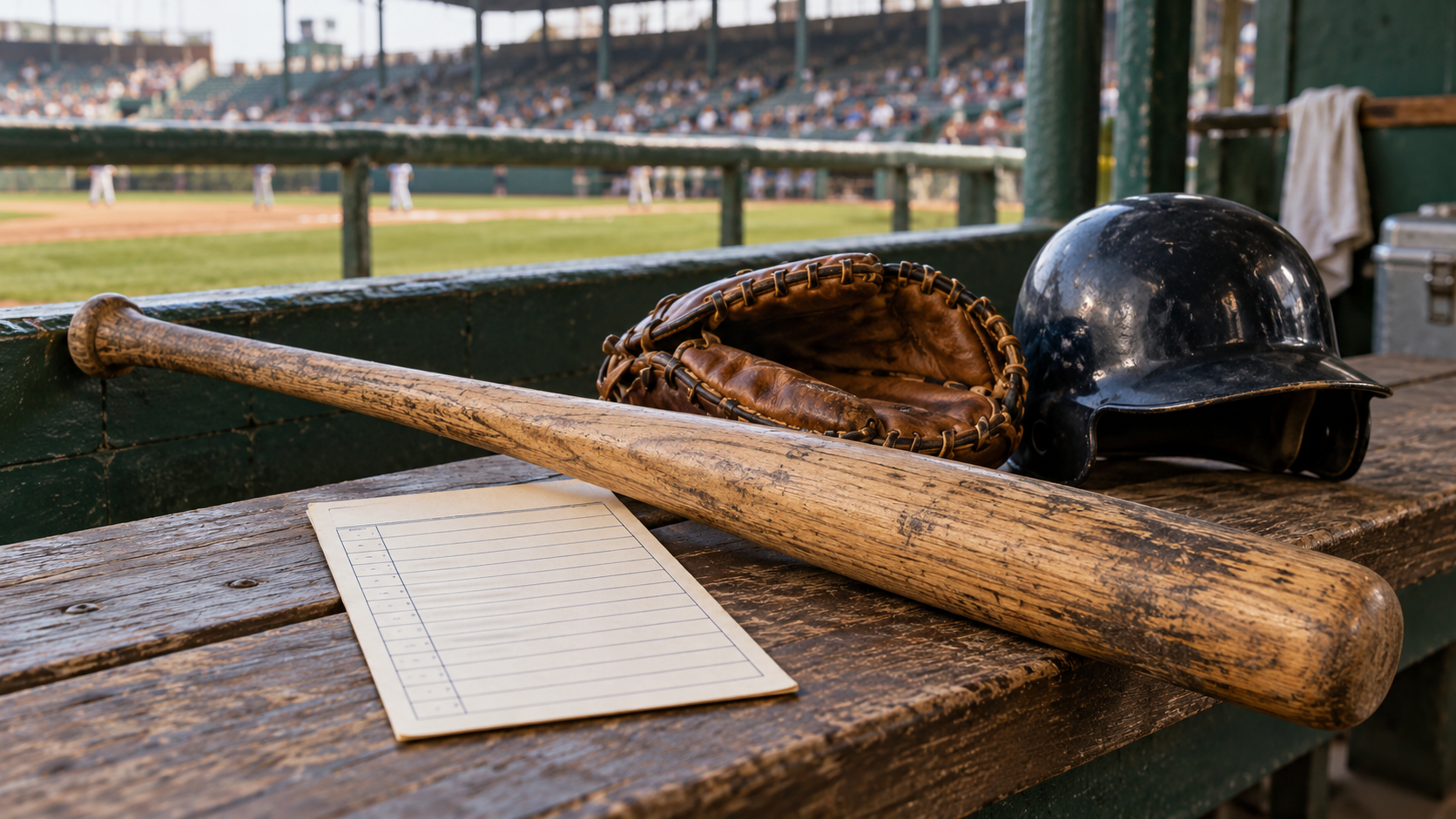
On This Day in Sports: January 11, 1973
On January 11, 1973, at an American League meeting in Chicago, club owners voted 8–4 to adopt the designated hitter for a three-year trial. The rule allowed a team to place another batter in the lineup instead of requiring its pitcher to hit, while the pitcher remained one of the nine defensive players. League president Joe Cronin supported the experiment, and Oakland Athletics owner Charlie Finley had promoted versions of the idea as a way to increase offense and attendance. The vote created the most visible rules difference between the American and National leagues and began a debate that remained part of major league baseball for nearly half a century.
The decision followed years of concern about declining offense. Pitchers had become increasingly dominant during the 1960s, culminating in the 1968 season, when scoring fell sharply across both leagues. Baseball responded by lowering the mound and changing the strike zone in 1969, yet American League owners continued looking for ways to put more action into games. The idea of batting for the pitcher was not new; baseball officials had discussed variations since the nineteenth century, and several minor leagues had tested the concept. What changed in 1973 was the willingness of a major league to separate one lineup position from defensive responsibility and examine the results over multiple seasons.
The first practical test came on April 6, 1973, at Fenway Park. Ron Blomberg of the New York Yankees became the first designated hitter in major league history when he drew a bases-loaded walk against Boston’s Luis Tiant. The rule produced the intended offensive shift during its first season: the American League’s collective batting average rose by about twenty points, and runs per game increased substantially. It also changed roster construction and in-game strategy. Managers could protect an injured or aging hitter from defensive demands, keep a productive bat in the lineup, or rotate regular players through the position. Critics countered that removing pitchers from the batting order reduced bunting, pinch-hitting decisions, and certain forms of strategic risk.
The trial became permanent in the American League, while the National League continued requiring pitchers to bat for decades. World Series and interleague games therefore operated under different rules depending on the host park, with occasional temporary exceptions. The split ended in 2022, when a new collective bargaining agreement brought the designated hitter to the National League on a permanent basis. By then, the position had supported Hall of Fame careers, created a specialized award, and become central to how clubs managed workload and offense. The 1973 vote did not settle whether the rule improved baseball, but it established a durable experiment whose influence ultimately reached every major league lineup.
Baseball had already lowered the mound and adjusted the strike zone after the low-scoring 1968 season. American League owners continued searching for ways to increase offense.
Versions of a hitter replacing the pitcher had been discussed for decades and tested in the minors. Charlie Finley became the idea’s most visible major league advocate.
The owners approved the rule 8–4 for a three-year trial. Ron Blomberg became the first major league DH on April 6, drawing a bases-loaded walk at Fenway Park.
Offense increased, but the leagues now played under different lineup rules. Critics argued that removing pitchers from batting reduced certain tactical decisions.
The DH became permanent in the American League and created a specialized role that extended careers and changed roster planning, rest, and lineup construction.
The National League adopted the DH permanently in 2022, ending the long rules split while leaving the strategy and tradition surrounding pitchers hitting as part of baseball history.
Explore more "On This Day in Sports"
Discover more landmark games, records, championships, and turning points from sports history. Each day revisits the athletes, teams, and moments that shaped competition and culture.