

On This Day in Sports: September 13, 1970
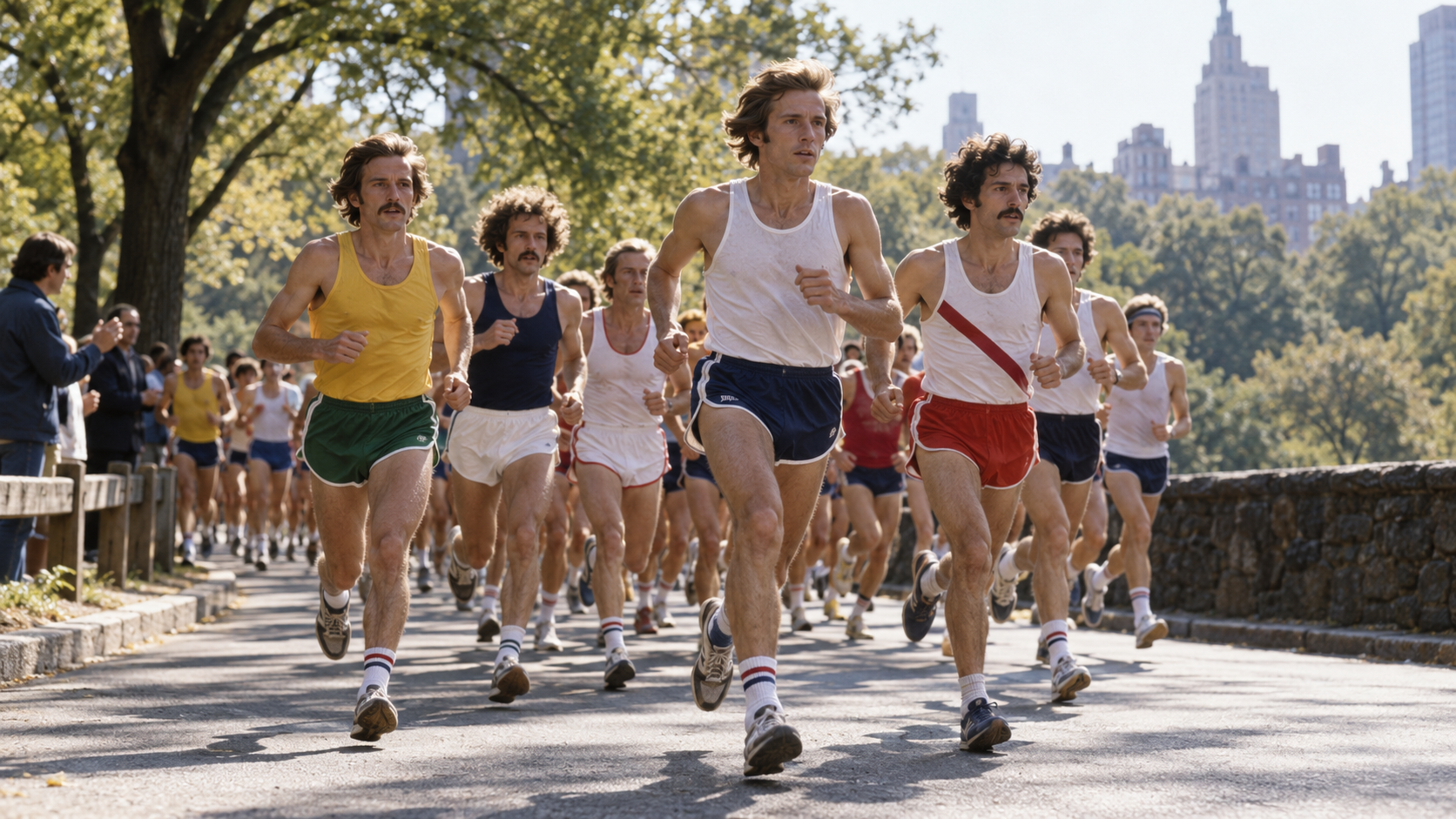
On September 13, 1970, the first New York City Marathon began in Central Park with 127 entrants and a one-dollar entry fee. Only 55 runners finished the hilly four-plus-lap course, with firefighter Gary Muhrcke winning in about 2 hours, 31 minutes, 39 seconds. The race had 127 starters. Fifty-five runners finished. Those details establish the result and its setting, but the day’s importance came from the larger historical pressure surrounding the competition and the people who carried it through.
New York Road Runners leaders Vince Chiappetta and Fred Lebow created the race on a budget of roughly $1,000. Central Park’s weekend road closures offered a practical place to stage a full marathon without taking over city streets. Gary Muhrcke won. The entry fee was one dollar. Together, those points show how preparation, rules, institutions and public expectations shaped the circumstances before the decisive action began. They also separate the documented background from later legend and retrospective interpretation.
The field started in warm conditions near Tavern on the Green and repeatedly circled the park. Nina Kuscsik, the only woman entered, withdrew after about fourteen miles, so the inaugural results listed no female finisher. The course stayed inside Central Park. The five-borough route began in 1976. The immediate result therefore involved more than a single score or statistic: it changed a record, championship, career or institution and gave contemporary audiences a clear reason to understand that the moment was unusual.
The marathon moved to a five-borough course in 1976 and grew into one of the world’s largest annual races. Its modest first edition shows how grassroots organization and public space can create an institution with global reach. Seen from today, the event remains useful because it connects a measurable sports outcome with the systems around it—teammates, opponents, officials, venues, media and rules. The outcome was not inevitable, and its meaning did not end when play stopped. Preserving the exact date and qualifications helps explain why later generations still return to it. It also prevents a famous image or headline from replacing the fuller story of what actually happened. The best sports history holds achievement and limitation together, showing both the performance itself and the conditions that made it possible. That broader view preserves context without taking attention away from the people who performed under pressure. In that sense, September 13, 1970 still offers a focused view of how athletic excellence, public memory and institutional change can meet in a single day.
The race had 127 starters.
Fifty-five runners finished.
Gary Muhrcke won.
The entry fee was one dollar.
The course stayed inside Central Park.
The five-borough route began in 1976.
Explore more "On This Day in Sports"
Discover more landmark games, records, championships, and turning points from sports history. Each day revisits the athletes, teams, and moments that shaped competition and culture.