

On This Day in Sports: September 23, 1926
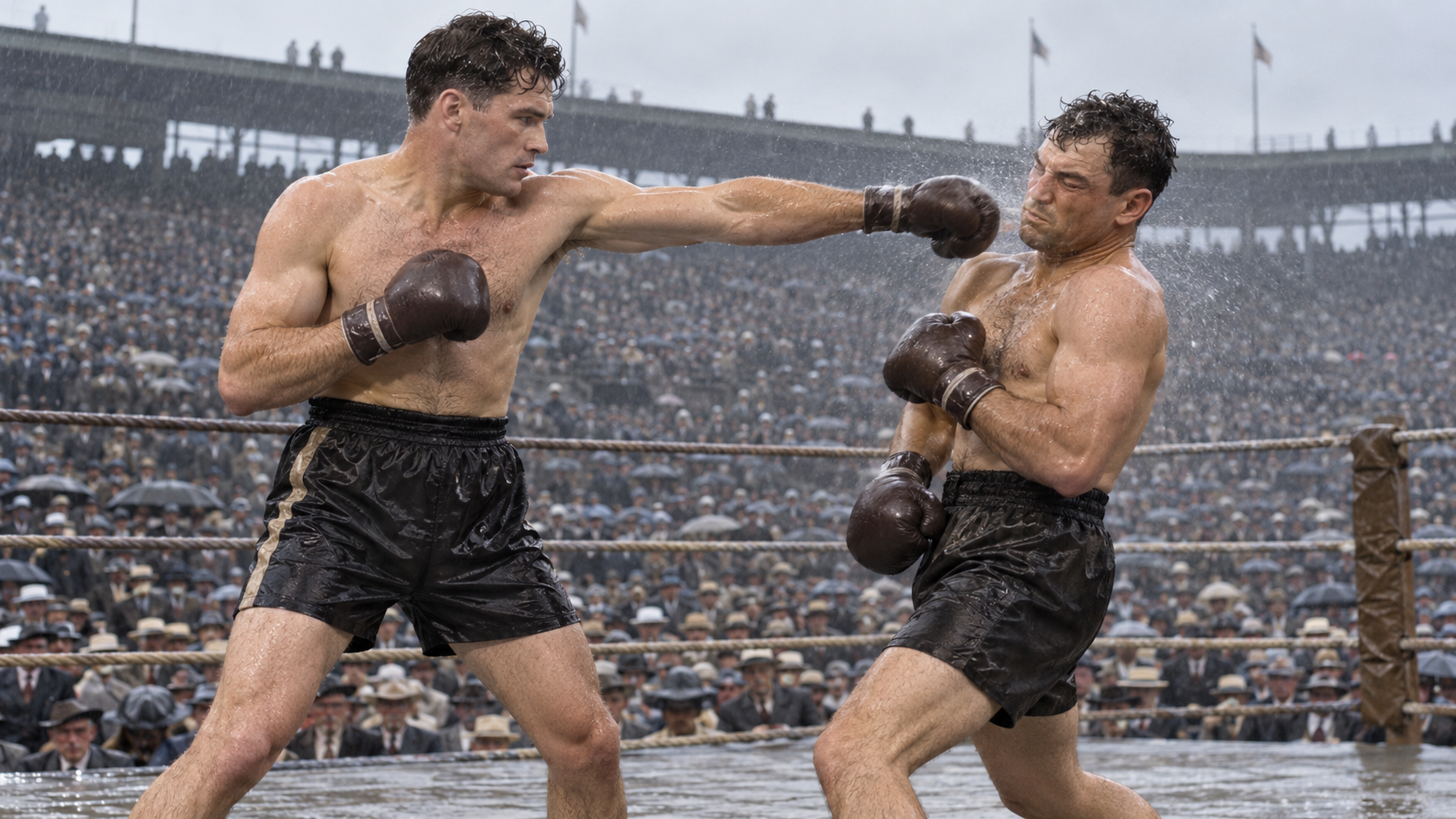
On September 23, 1926, Gene Tunney defeated Jack Dempsey by unanimous decision at Philadelphia’s Sesquicentennial Stadium to win the world heavyweight championship. A paid crowd of more than 120,000 watched Tunney use movement and disciplined boxing to end Dempsey’s seven-year title reign after ten rounds. The bout lasted ten rounds. Tunney won a unanimous decision. Those details establish the result and its setting, but the day’s importance came from the larger historical pressure surrounding the competition and the people who carried it through.
Dempsey had become one of the country’s largest sports celebrities but had not defended the championship for three years. Tunney, a former Marine and light-heavyweight standout, prepared to neutralize the champion’s pressure rather than exchange recklessly. More than 120,000 paid to attend. The fight was held in Philadelphia. Together, those points show how preparation, rules, institutions and public expectations shaped the circumstances before the decisive action began. They also separate the documented background from later legend and retrospective interpretation.
Rain left the outdoor ring damp, yet Tunney repeatedly scored with jabs and combinations before moving away from Dempsey’s attacks. All three officials awarded him the decision, producing one of boxing’s largest upsets and biggest live spectacles. Dempsey had reigned since 1919. The rematch took place in 1927. The immediate result therefore involved more than a single score or statistic: it changed a record, championship, career or institution and gave contemporary audiences a clear reason to understand that the moment was unusual.
Tunney defeated Dempsey again 364 days later in the famous Long Count fight and retired as champion in 1928. Their two bouts helped define the commercial scale of 1920s sports and the strategic evolution of heavyweight boxing. Seen from today, the event remains useful because it connects a measurable sports outcome with the systems around it—teammates, opponents, officials, venues, media and rules. The outcome was not inevitable, and its meaning did not end when play stopped. Preserving the exact date and qualifications helps explain why later generations still return to it. It also prevents a famous image or headline from replacing the fuller story of what actually happened. The best sports history holds achievement and limitation together, showing both the performance itself and the conditions that made it possible. That broader view preserves context without taking attention away from the people who performed under pressure. In that sense, September 23, 1926 still offers a focused view of how athletic excellence, public memory and institutional change can meet in a single day.
The bout lasted ten rounds.
Tunney won a unanimous decision.
More than 120,000 paid to attend.
The fight was held in Philadelphia.
Dempsey had reigned since 1919.
The rematch took place in 1927.
Explore more "On This Day in Sports"
Discover more landmark games, records, championships, and turning points from sports history. Each day revisits the athletes, teams, and moments that shaped competition and culture.