

On This Day in Sports: November 18, 1966
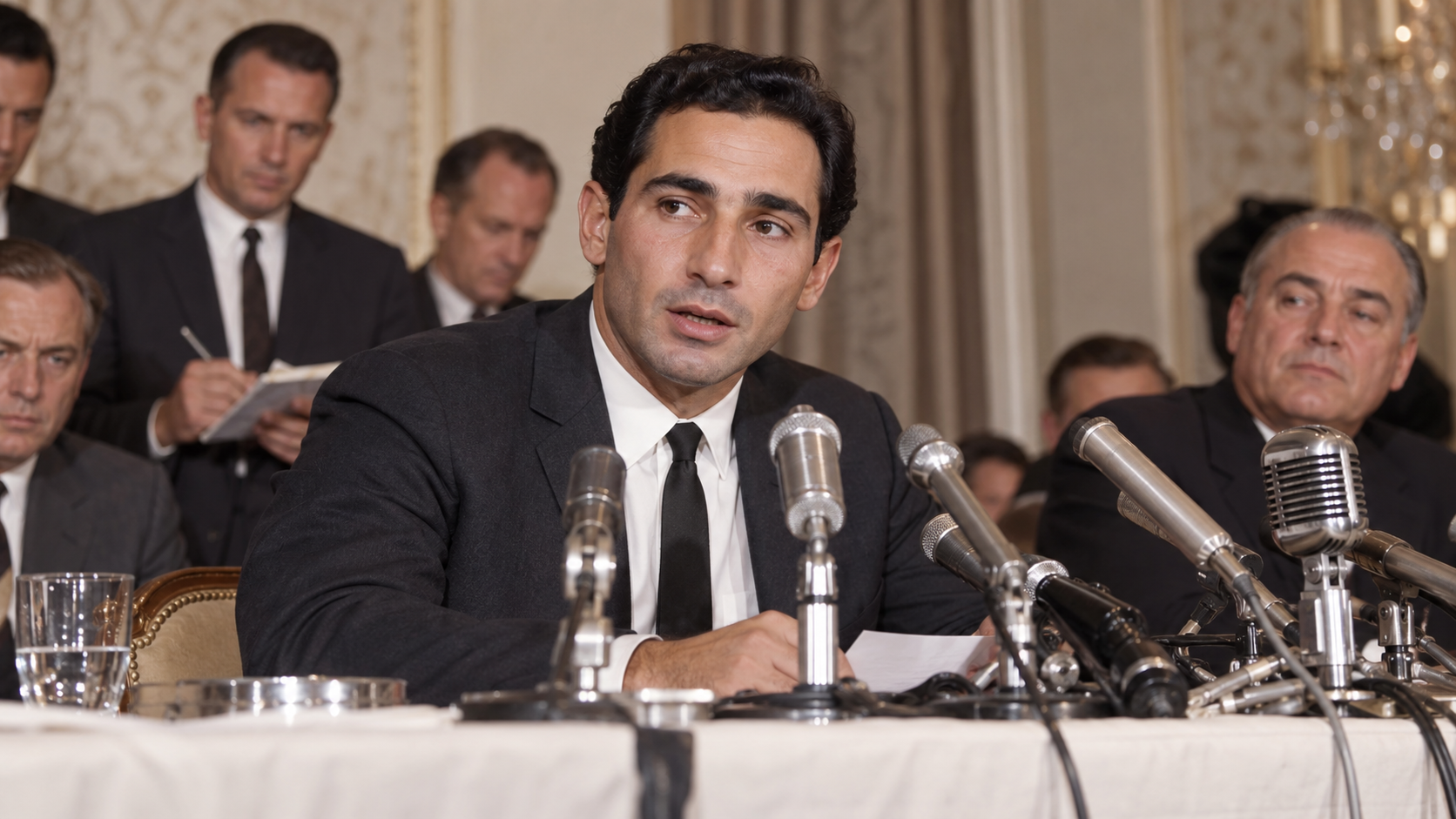
On November 18, 1966, Sandy Koufax announced his retirement from baseball at a Beverly Hills press conference. The 30-year-old Dodgers ace stepped away after a dominant season because chronic arthritis and treatment demands threatened the future use of his left arm. Koufax was 30 years old. He had a 1.73 ERA in 1966. Those details establish the result and its setting, but the day’s importance came from the larger historical pressure surrounding the competition and the people who carried it through.
Koufax had completed a 27-9 season with a 1.73 ERA and a third Cy Young Award while pitching 323 innings. Medication, ice and repeated pain had become inseparable from his starts. He pitched 323 innings that season. He won his third Cy Young Award. Together, those points show how preparation, rules, institutions and public expectations shaped the circumstances before the decisive action began. They also separate the documented background from later legend and retrospective interpretation.
With Dodgers officials touring Japan, Koufax explained his decision at the Beverly-Wilshire Hotel. He chose to leave at the height of his performance rather than risk a year that might permanently damage his arm. He threw four career no-hitters, including a perfect game. Chronic elbow arthritis drove the decision. The immediate result therefore involved more than a single score or statistic: it changed a record, championship, career or institution and gave contemporary audiences a clear reason to understand that the moment was unusual.
He retired with 165 victories, four no-hitters, a perfect game and two World Series MVP awards. Elected to the Hall of Fame at 36, Koufax became a lasting reference point for athletes forced to balance peak ability against irreversible physical cost. Seen from today, the event remains useful because it connects a measurable sports outcome with the systems around it—teammates, opponents, officials, venues, media and rules. The outcome was not inevitable, and its meaning did not end when play stopped. Preserving the exact date and qualifications helps explain why later generations still return to it. It also prevents a famous image or headline from replacing the fuller story of what actually happened. The best sports history holds achievement and limitation together, showing both the performance itself and the conditions that made it possible. That broader view preserves context without taking attention away from the people who performed under pressure. In that sense, November 18, 1966 still offers a focused view of how athletic excellence, public memory and institutional change can meet in a single day.
Koufax was 30 years old.
He had a 1.73 ERA in 1966.
He pitched 323 innings that season.
He won his third Cy Young Award.
He threw four career no-hitters, including a perfect game.
Chronic elbow arthritis drove the decision.
Explore more "On This Day in Sports"
Discover more landmark games, records, championships, and turning points from sports history. Each day revisits the athletes, teams, and moments that shaped competition and culture.