

On This Day in Tech: January 1, 1961
On January 1, 1961, a landmark event in the history of technology occurred when Douglas Engelbart filed for a patent on the computer mouse. Engelbart, an engineer at the Stanford Research Institute, would go on to revolutionize the way humans interact with computers. His invention, initially referred to as the “X-Y Position Indicator for a Display System,” introduced the concept of a pointing device, which would become essential for personal computing and user interface design.
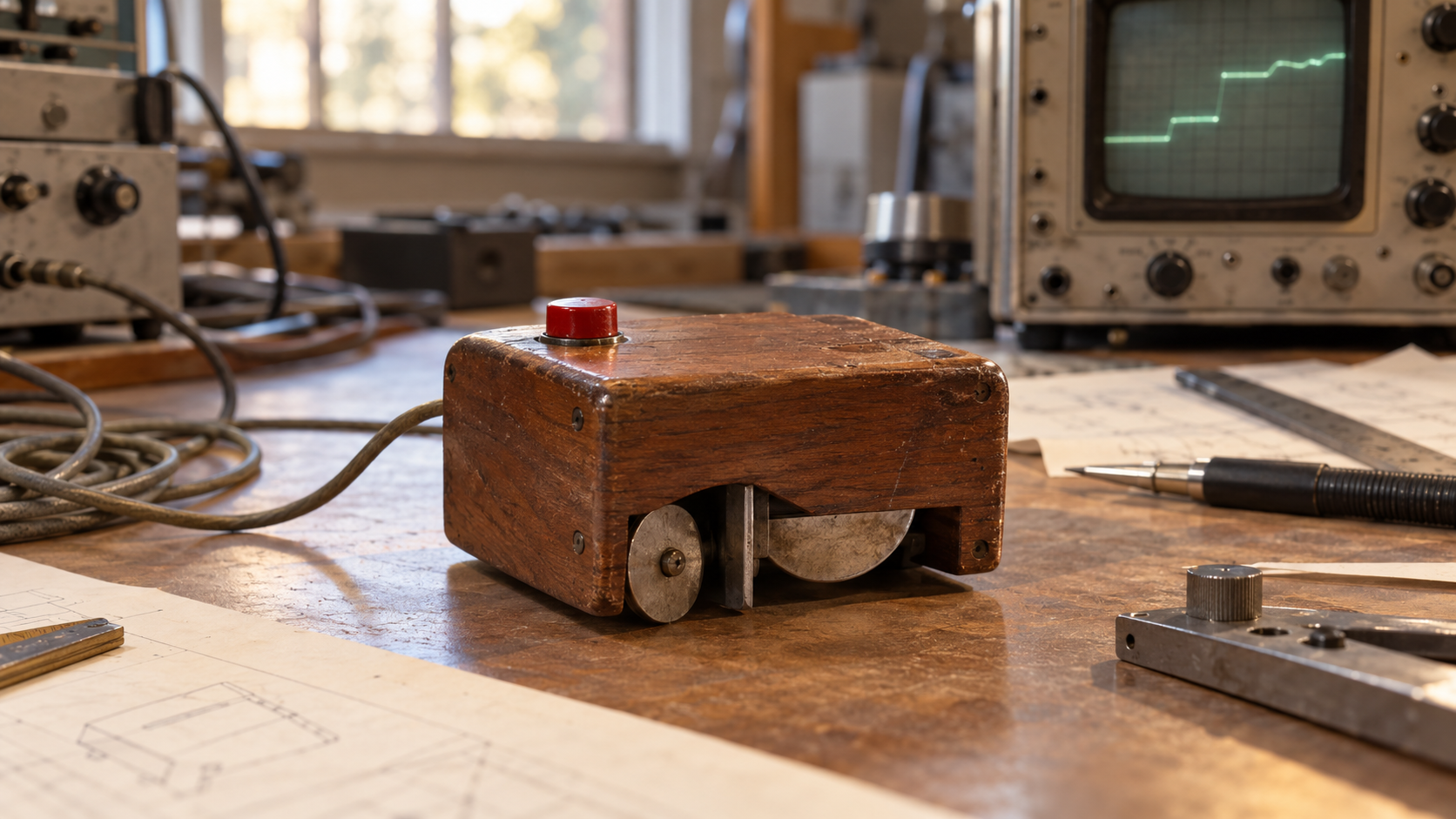
The computer mouse was designed to improve human-computer interaction by providing a more intuitive method for navigating a graphical user interface (GUI). At the time, most computing systems relied on command-line input, which required users to memorize complex commands. Engelbart’s mouse offered a simple and efficient alternative that allowed users to point, click, and drag objects on the screen with ease. The original prototype, made of wood and featuring a single button, was far from the sleek and ergonomic devices we use today. However, the patent filing marked the beginning of a major shift in computing.
The patent filing on January 1, 1961, would eventually lead to the development of modern mice, which have since become a ubiquitous part of personal computers, smartphones, and tablets. Engelbart’s invention paved the way for the creation of graphical user interfaces (GUIs), allowing users to interact with their devices in a more visual and dynamic way. The mouse is now recognized as one of the most important innovations in the history of personal computing, alongside other key developments such as the keyboard and monitor.
In addition to its technical significance, Engelbart’s patent filing also highlighted his broader vision for the future of computing. He saw the computer not just as a tool for data processing, but as a means of enhancing human intelligence and collaboration. His vision was realized in his famous 1968 “Mother of All Demos,” where he showcased not only the mouse but also other groundbreaking concepts like hypertext and video conferencing. These ideas would go on to shape the evolution of the internet and modern computing as we know it today.
The filing of the patent on January 1, 1961, remains one of the most important milestones in the tech world, underscoring the visionary ideas that laid the groundwork for the personal computing revolution.
On January 1, 1961, Douglas Engelbart, a researcher at the Stanford Research Institute, filed for a patent for the first computer mouse. This invention would change the way humans interact with computers forever. Engelbart's design for a pointing device was aimed at creating a more intuitive way for users to navigate computer screens compared to the traditional command-line inputs of the time. The mouse, with its simple design consisting of a wooden shell, two wheels, and a single button, was the first step toward developing the modern graphical user interface (GUI).
The filing of this patent on this day marked a pivotal moment in personal computing history, laying the groundwork for later developments in GUI-based operating systems and personal computing as we know it.
The patent filed on January 1, 1961, did not immediately transform the computing world. The mouse was still a prototype, and its use was limited to experimental systems. However, its invention set the stage for future innovations that would revolutionize the user experience with computers. While Engelbart's mouse was not widely adopted in the early years, the concept of a pointing device gained traction as graphical user interfaces (GUIs) began to develop.
Engelbart’s work on the mouse became widely recognized, especially with the public demonstration of the device in 1968, known as the “Mother of All Demos.” This demonstration showcased not only the mouse but also many of the other concepts that would shape modern computing, such as hypertext, video conferencing, and online collaboration.
The filing of the mouse patent was a significant step in the evolution of personal computing. It set the foundation for the creation of modern graphical user interfaces, which would become the standard for personal computers. The mouse allowed users to interact with computers in a more intuitive, visual way, a crucial change in the way we use technology today.
Engelbart’s invention paved the way for innovations in computing interfaces, including the development of the Macintosh in the 1980s, which was one of the first mainstream personal computers to use a mouse. It also helped define the standard user experience for future generations of software, including Windows, macOS, and Linux operating systems. The mouse, as a device, is now an integral part of personal computing and continues to evolve alongside other input methods.
Explore more of "On This Day ..."
Discover more events from the same date across news, politics, technology, sports, and other fields. Each link highlights significant moments that shaped history on different fronts.