

On This Day in Tech: January 10, 2010
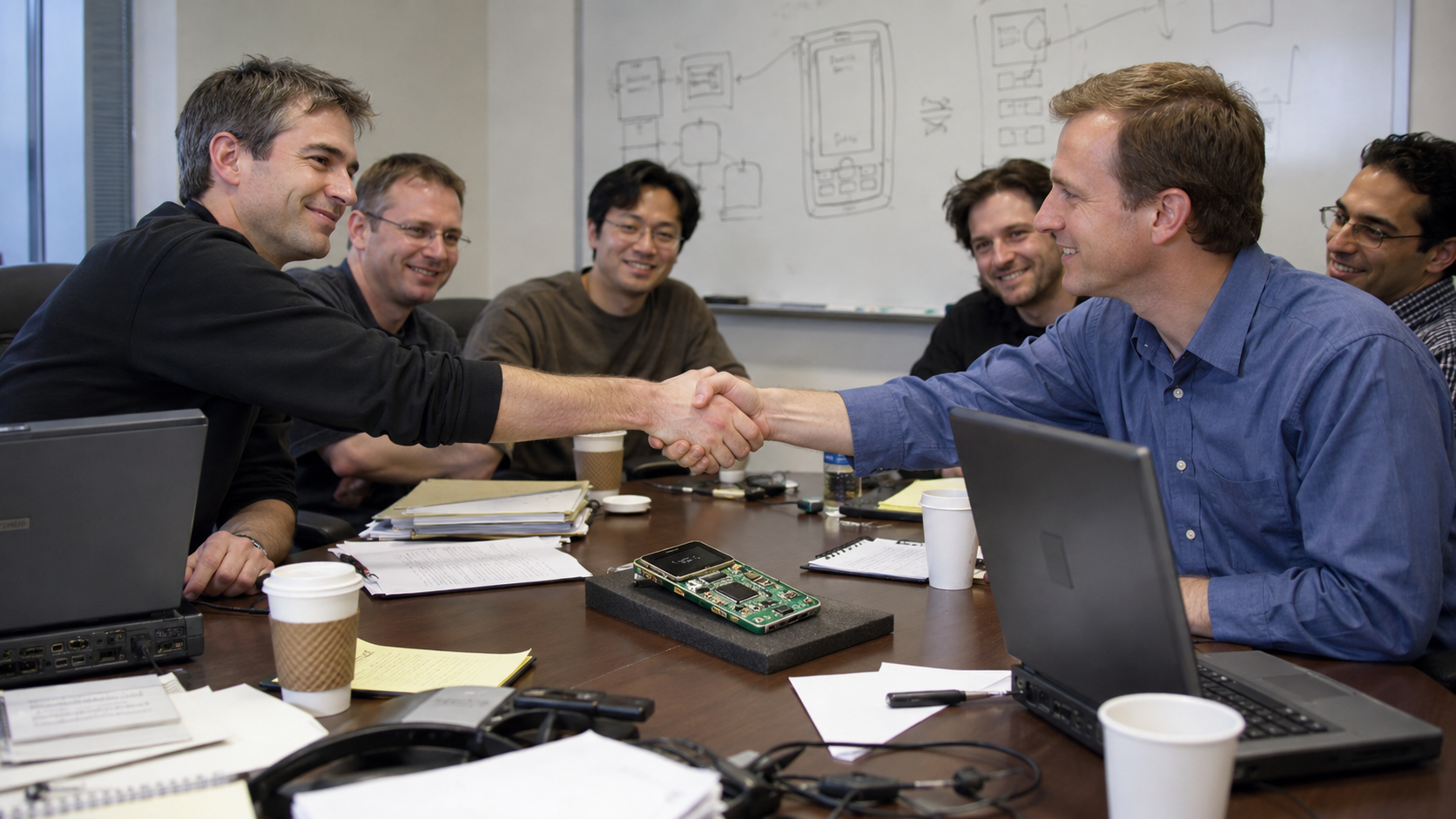
On January 10, 2010, Google made a significant move in the mobile technology landscape by acquiring Android, Inc. This acquisition would go on to play a pivotal role in shaping the future of the smartphone industry. Android, founded by Andy Rubin, Rich Miner, Nick Sears, and Chris White in 2003, was originally conceived as a mobile operating system for digital cameras, but it quickly pivoted to smartphones after Google recognized its potential.
The acquisition allowed Google to enter the smartphone market with a robust, open-source platform that could compete with the likes of Apple’s iOS. At the time, the mobile market was dominated by Apple’s iPhone, which ran on a closed operating system. Android, however, introduced an open ecosystem that allowed manufacturers to create a wide variety of devices running the platform. This flexibility became one of Android’s key strengths, enabling it to power smartphones across a wide range of price points, from budget models to high-end flagships.
The acquisition also set the stage for Android’s rapid growth. Over the next few years, Google released successive versions of the operating system, attracting an ever-growing number of manufacturers, including Samsung, HTC, and Motorola, who began to produce Android-powered devices. The Play Store (formerly Android Market) also launched, creating a new marketplace for developers and cementing Android’s role in the app economy. By 2010, Android had already established a significant presence in the mobile market, but it was this acquisition that provided the necessary resources and infrastructure for Android to truly flourish.
Fast forward to today, and Android is the most widely used smartphone operating system in the world, with billions of active users. Google’s acquisition of Android set the stage for the platform to reshape the tech world, making it a dominant force in the mobile ecosystem and influencing everything from app development to the way users interact with their devices. In many ways, January 10, 2010, marked the beginning of Android’s journey to becoming the cornerstone of modern mobile computing.
On January 10, 2007, Apple introduced the iPhone, a revolutionary device that would change the tech landscape forever. At the Macworld Conference in San Francisco, Steve Jobs revealed the iPhone, which combined a phone, an iPod, and an internet communicator all in one sleek, touchscreen device. This marked a shift in mobile technology, moving away from physical keyboards and styluses to a fully touchscreen interface.
Similarly, on January 10, 2010, Google acquired Android, Inc., an open-source mobile operating system developed by Andy Rubin and his team. This acquisition allowed Google to enter the rapidly growing mobile phone market, setting the stage for Android to become the dominant smartphone operating system worldwide. Android’s flexibility and open-source nature provided a stark contrast to Apple's closed iOS, attracting a wide range of manufacturers and users.
The iPhone's introduction on January 10, 2007, sparked a wave of change in mobile phones, with Apple's design and functionality influencing the future of smartphones. The multi-touch interface and the App Store paved the way for the smartphone era, making mobile computing a central part of daily life. However, the iPhone's high cost limited its initial adoption, and it wasn’t until subsequent models were released that it became widely accessible.
Similarly, the acquisition of Android by Google allowed the operating system to rapidly grow in influence, although it faced challenges early on in terms of unifying hardware and software. Despite initial fragmentation and competition from Apple’s iOS, Android became the dominant platform for smartphones worldwide due to its open nature, accessibility, and the support of major manufacturers like Samsung, HTC, and Motorola.
The iPhone’s release in 2007 reshaped the mobile industry and influenced how people interact with technology. It led to the creation of an entirely new app ecosystem, fundamentally changing how users engaged with mobile devices. The success of the iPhone also set the stage for Apple’s continued dominance in consumer electronics, and it influenced the development of other technology sectors, including mobile gaming, health, and wearable tech.
Similarly, Google’s acquisition of Android in 2010 led to the creation of an open-source platform that would power billions of devices worldwide. Android’s success has reshaped the mobile tech ecosystem, making smartphones affordable and accessible to a wider audience and fostering innovation across the industry. The rise of Android has also impacted the app economy, with the Google Play Store becoming a critical component of mobile development.
Explore more of "On This Day ..."
Discover more events from the same date across news, politics, technology, sports, and other fields. Each link highlights significant moments that shaped history on different fronts.