

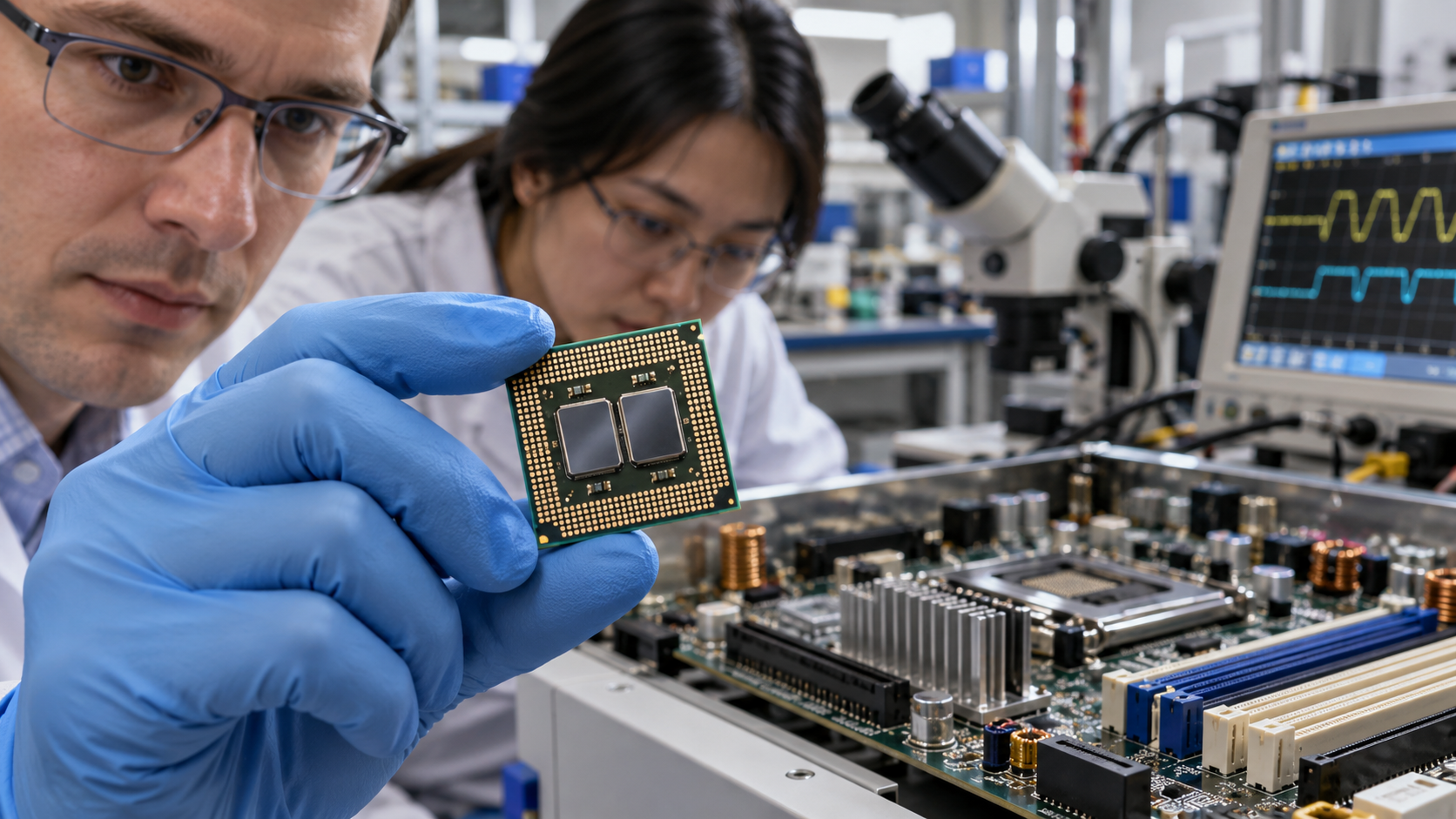
On This Day in Tech: January 11, 2006
On January 11, 2006, Intel revolutionized the computing world by officially launching its first dual-core processors. These chips, branded as the Intel Core Duo and Intel Core Solo, marked a significant leap forward in processor technology, paving the way for more powerful and efficient computing. The new dual-core architecture allowed for better multitasking capabilities, faster performance, and reduced power consumption compared to the single-core processors that had dominated the industry up until that point. This innovation laid the foundation for future advancements in personal computing, enterprise systems, and even mobile devices.
The introduction of Intel’s dual-core processors was a game-changer not just for consumers, but for developers as well. Software engineers could now optimize their applications to take advantage of the increased processing power, which meant smoother, faster, and more responsive software. For consumers, this translated into improved overall system performance, including enhanced gaming experiences, quicker rendering of multimedia, and smoother multitasking across various applications. Intel’s Core Duo processors were adopted by a range of devices, from desktops to laptops, and even influenced the design of Apple’s first Intel-based Macs.
This event signaled the beginning of the end for the era of single-core processors. Intel’s new architecture quickly gained momentum, forcing its competitors, such as AMD, to push the boundaries of their own processor technologies. Over the years, the dual-core approach would evolve into multi-core processors, which are now standard in most modern computing devices, supporting everything from high-performance gaming rigs to cloud computing infrastructures.
Intel’s strategic move to introduce dual-core chips also came at a time when the demand for greater computing power was rapidly increasing. The early 2000s saw a rise in demand for more intensive applications such as video editing software, 3D gaming, and scientific computing, all of which benefited from the extra processing power provided by dual-core processors. Intel’s success in the market was a crucial turning point in the ongoing “processor wars,” solidifying its position as a dominant player in the semiconductor industry.
On January 11, 2006, Intel launched its first dual-core processors, marking a major milestone in the history of computing. The new processors, Intel Core Duo and Core Solo, were introduced during a time when the demand for more powerful and energy-efficient computing was rising rapidly. This event took place against the backdrop of increasing needs for better multitasking, multimedia rendering, and enhanced overall system performance. The dual-core architecture allowed processors to handle multiple tasks simultaneously, significantly boosting computing power.
The launch of these processors was crucial as it pushed the limits of what computers could do, offering improved performance for everything from gaming and content creation to more efficient processing in mobile devices. Intel's decision to push forward with dual-core architecture was a direct response to the need for faster, more efficient computing during an era of increasing consumer and business demand for powerful technology.
The immediate effect of Intel's dual-core processors was a substantial increase in computing power. They allowed computers to run multiple applications more efficiently, improving performance for users running resource-intensive programs like video editing software, 3D games, and complex simulations. However, the shift to dual-core architecture was not without its challenges. Software developers needed to optimize their applications to take advantage of the new processors, and early adoption was limited by software compatibility and hardware requirements.
Despite these initial challenges, the Core Duo processors were a breakthrough. They set the stage for future advancements in multi-core processors, which would eventually lead to the widespread adoption of quad-core, octa-core, and even higher multi-core systems. These innovations were critical in supporting the growing demands of consumers and businesses, particularly in gaming, digital media creation, and cloud computing sectors.
In the long term, Intel's launch of the dual-core processor revolutionized the tech industry, setting the stage for the multi-core processors that are standard in modern computing devices. These advancements would influence everything from desktop PCs to smartphones, laptops, and servers. Intel’s early decision to embrace dual-core technology directly influenced the development of more efficient, powerful, and versatile processors that are now critical for everything from high-performance gaming to AI processing.
The move also had lasting impacts on the design of computing systems, influencing everything from the performance capabilities of everyday laptops to enterprise-level server farms. The shift to multi-core processors has continued to evolve, with current processors containing up to 16 or more cores, continuing to push the boundaries of processing power and efficiency in a wide range of applications, from cloud computing to artificial intelligence.
Explore more of "On This Day ..."
Discover more events from the same date across news, politics, technology, sports, and other fields. Each link highlights significant moments that shaped history on different fronts.