

On This Day in Tech: January 15, 2001
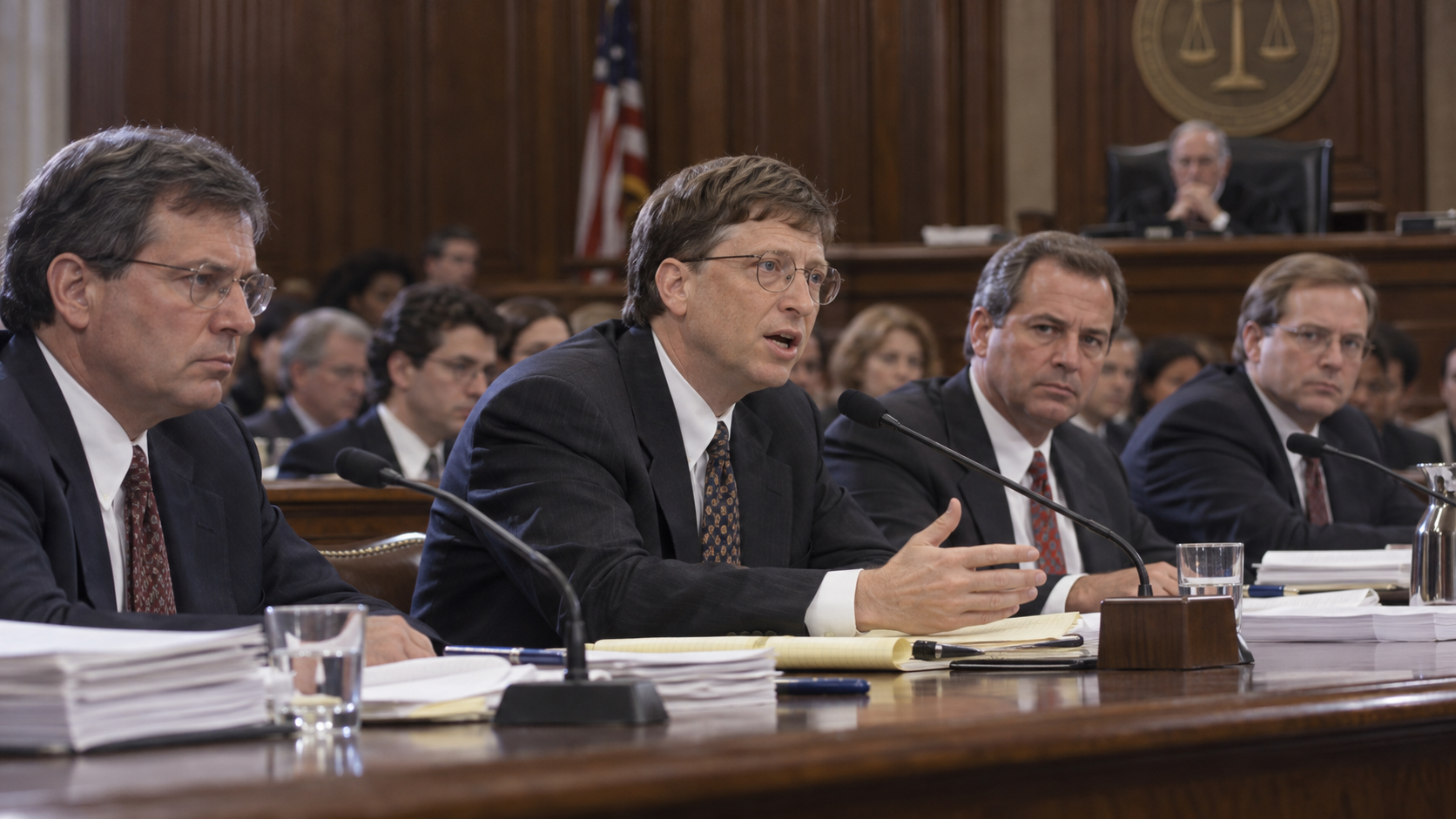
On January 15, 2001, a pivotal ruling in the tech world occurred when the United States Court of Appeals for the District of Columbia Circuit made a landmark decision in the Microsoft antitrust case. This case, which had been ongoing for several years, was one of the most significant antitrust cases in the history of the technology industry. The court’s decision brought about profound changes for Microsoft, the dominant software company of the time, and for the broader tech landscape.
The case began in 1998 when the U.S. Department of Justice filed a lawsuit against Microsoft, accusing the company of using its dominant position in the operating system market to stifle competition. The main issue was Microsoft’s bundling of its Internet Explorer browser with the Windows operating system, which allegedly harmed the competition from other browsers like Netscape Navigator. The government argued that Microsoft had used unfair practices to maintain its monopoly in the personal computer market.
In 2001, the appeals court ruled that while Microsoft had indeed violated antitrust laws, the punishment handed down by the original trial judge, which called for breaking up the company, was excessive. Instead, the court favored a more lenient approach, ordering that Microsoft be subject to strict oversight and a series of restrictions designed to ensure fair competition in the software market. The decision resulted in a settlement between Microsoft and the U.S. government, which included provisions for opening up the company’s software to allow other companies to develop competing products. This ruling significantly impacted how Microsoft operated moving forward and reshaped the tech industry’s regulatory environment.
This case not only influenced Microsoft’s business practices but also had a broader effect on the tech industry. It marked the beginning of increased scrutiny of major tech companies and set a precedent for future antitrust actions. The decision demonstrated the importance of maintaining competitive markets in the rapidly growing tech sector and the government’s role in regulating monopolistic behavior.
By January 15, 2001, Microsoft had become the dominant player in the personal computer software market, with its Windows operating system installed on most PCs globally. However, the U.S. Department of Justice had filed a lawsuit against the company, accusing it of using its monopoly power in the operating system market to suppress competition, particularly targeting the bundling of its Internet Explorer browser with Windows.
The case, initially filed in 1998, had been under intense legal scrutiny for years. The government argued that Microsoft’s actions were anti-competitive and harmed consumers and businesses by limiting their choices in the software market. On this day, the D.C. Circuit Court of Appeals made its decision, significantly impacting both Microsoft and the broader technology landscape.
The ruling on January 15, 2001, recognized that Microsoft had indeed engaged in monopolistic practices but rejected the idea of splitting the company. Instead, the court ordered that Microsoft face restrictions aimed at fostering competition. These restrictions included making its software more accessible to third-party developers and opening up the operating system to other software makers.
While the court’s decision avoided breaking up Microsoft, it marked a major shift in how the company operated. It also sent a clear message to other tech giants that antitrust laws would be actively enforced to protect competition in the rapidly evolving technology sector.
In the long term, the Microsoft antitrust case helped define the future of tech regulation, signaling a shift toward greater scrutiny of monopolistic behavior in the tech industry. Although Microsoft avoided being broken up, the case laid the groundwork for future regulatory actions against large tech companies, especially as they expanded into new markets.
The case also highlighted the need for more robust antitrust policies tailored to the unique challenges of the tech sector, which was rapidly becoming the backbone of the global economy. The outcome of this case would shape future antitrust investigations and government actions, influencing how tech companies interact with competitors and consumers to this day.
Explore more of "On This Day ..."
Discover more events from the same date across news, politics, technology, sports, and other fields. Each link highlights significant moments that shaped history on different fronts.