

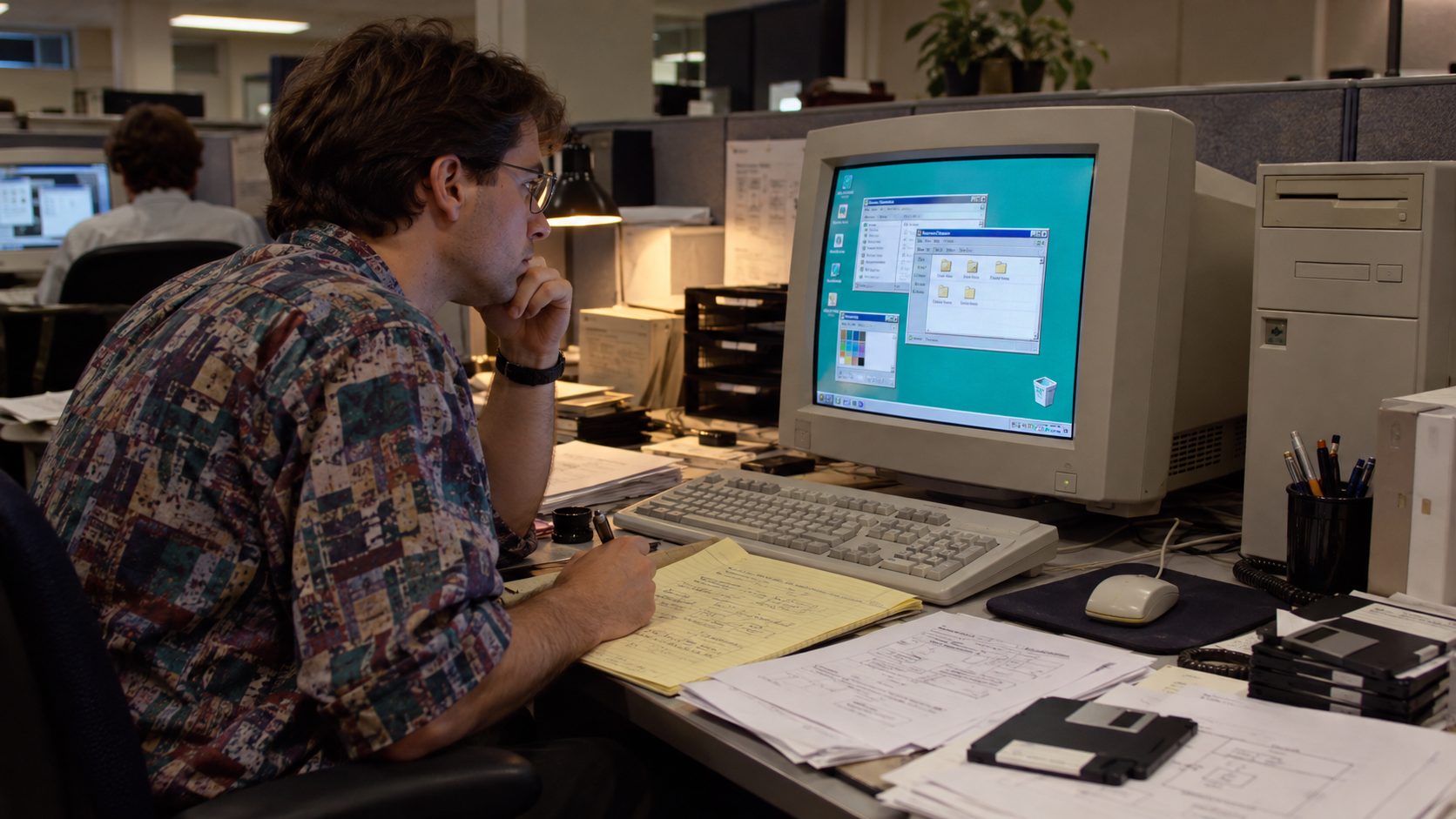
On This Day in Tech: January 16, 1995
On January 16, 1995, Microsoft took a monumental step in the evolution of personal computing with the release of the beta version of Windows 95. This operating system would go on to become one of the most influential in the history of PC software, shaping the future of Windows for years to come. Windows 95 introduced a redesigned user interface, featuring the now-iconic Start menu, taskbar, and minimized windows, making it far more user-friendly compared to its predecessors.
Before Windows 95, Microsoft’s Windows operating systems were known for their command-line interface and a more basic graphical interface. The introduction of Windows 95 brought a more refined and modern look, supporting 32-bit multitasking, plug and play hardware support, and integrated networking features. The beta release of January 16 marked the beginning of a public testing phase that would culminate in the full release later that year, on August 24, 1995. The anticipation around the product was immense, with Microsoft launching a massive marketing campaign, including a memorable TV commercial featuring The Rolling Stones’ hit “Start Me Up,” symbolizing the new era of computing.
The impact of Windows 95 was immediate. It streamlined the user experience, making personal computers more accessible to both novice and experienced users. It also became the foundation for future Windows operating systems, with many of its innovations becoming standard features in subsequent versions. The Start menu, for example, became a cornerstone of Windows’ design for more than two decades.
Windows 95’s success also solidified Microsoft’s dominance in the personal computer market. It was one of the first operating systems to gain widespread adoption globally, facilitating the growth of the internet age and empowering millions of users to connect, communicate, and create in ways that were previously unimaginable. Its legacy continues to be felt in modern operating systems, and the January 16 beta release remains a key moment in the evolution of the digital age.
On January 16, 1995, Microsoft released the beta version of Windows 95, an operating system that would go on to change the personal computing landscape. It introduced several innovations such as the Start menu, taskbar, and better multitasking capabilities, becoming one of the most important releases in computing history. This beta release marked the start of a public testing phase that would culminate in the official launch of the full version later in 1995.
The launch of Windows 95 was seen as a key moment in the development of modern operating systems, simplifying computing for everyday users and enabling the rise of the internet era. With its new interface, Windows 95 helped make personal computing more accessible and intuitive, appealing to a much broader market.
The beta release of Windows 95 created a great deal of excitement in the tech world, but it was not without its challenges. Early users encountered bugs and issues that were part of the testing phase. However, Microsoft quickly addressed many of these problems before the official release.
The immediate effect of Windows 95 was its widespread adoption, which was further boosted by a successful marketing campaign. It marked the beginning of a new era for Windows, bringing personal computing into the mainstream and shaping the direction of future operating systems.
In the long term, the success of Windows 95 helped solidify Microsoft’s dominance in the personal computer market, shaping the tech industry for years to come. Its interface and features would influence many subsequent operating systems, creating a standard for how personal computers should function.
The release of Windows 95 is often seen as a turning point in the digital revolution, as it made computers more accessible, powerful, and user-friendly. It paved the way for the internet boom in the late 1990s and early 2000s, fostering the growth of online services, digital commerce, and social networking.
Explore more of "On This Day ..."
Discover more events from the same date across news, politics, technology, sports, and other fields. Each link highlights significant moments that shaped history on different fronts.