

On This Day in Tech: February 29, 2012
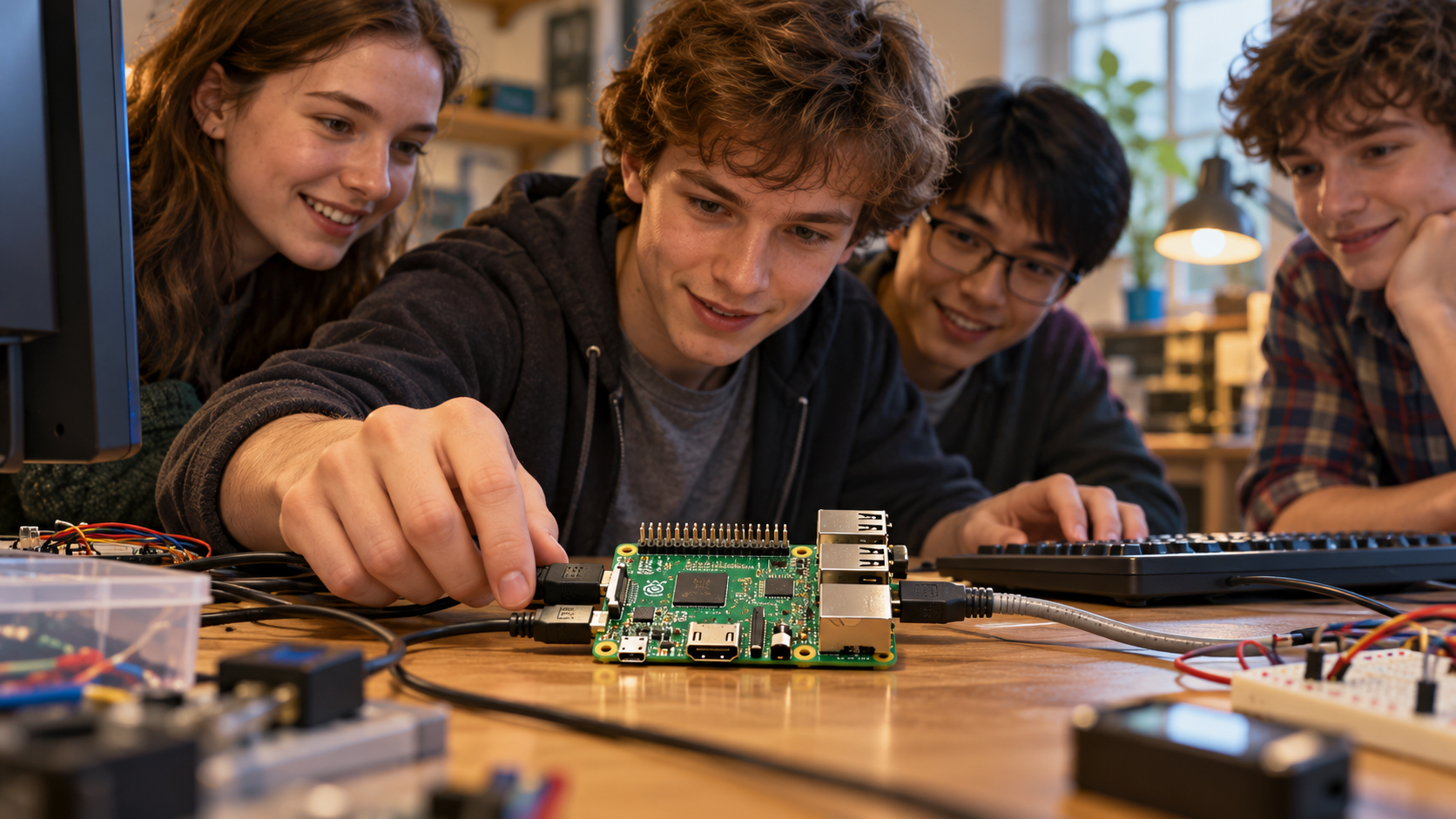
On February 29, 2012, in the United Kingdom through online distributors, the Raspberry Pi Foundation offered its first credit-card-sized computer to the public. the Raspberry Pi Model B went on sale at a price intended to make hands-on computing widely accessible. Demand overwhelmed distributor websites as enthusiasts and educators tried to order the small Linux-capable board. The event emerged from a specific set of technical goals rather than from a single flash of invention. Engineers, operators, and institutions had spent years translating laboratory ideas into equipment that could work under real conditions. What happened that day gave the public a clear, observable milestone, while the larger project still depended on testing, funding, training, and careful coordination.
Foundation members worried that fewer students were arriving at university with experience programming and experimenting directly with computer hardware. Modern home computers were powerful but often expensive, closed, or used mainly as appliances, leaving fewer low-risk opportunities to tinker. The board combined an ARM processor, memory, video output, USB, networking, and general-purpose input/output pins in a compact package. That background matters because the milestone joined hardware, software, standards, and human judgment into one working system. The design had to perform reliably enough for practical use, not merely demonstrate an isolated principle. Earlier experiments had established pieces of the solution, but the February event showed how those pieces could be combined at a scale or level of confidence that changed what planners believed was possible.
Distributors opened orders for the first production units while the foundation published information for a growing community of users. The immediate rush demonstrated interest far beyond the initial educational niche and quickly created supply constraints. Its low price and exposed hardware recalled earlier hobby computers while supporting contemporary open-source software. The outcome was important on its own terms, yet it should not be mistaken for the final form of the technology. Performance limits, cost, safety, access, and competing approaches still shaped what came next. Even so, the date provided evidence that specialists, policymakers, businesses, or consumers could evaluate, and it moved the idea from proposal toward an operational path.
Schools, makers, programmers, and electronics hobbyists gained a flexible platform for learning and prototyping. The first model required separate peripherals, storage, power, and technical setup, and it was not a complete replacement for every desktop computer. Success led to multiple generations and millions of units used in education, home automation, robotics, research, and commercial embedded systems. Later improvements often looked very different from the equipment used on the anniversary itself, but they built on the same underlying breakthrough in capability, organization, or public acceptance. The legacy also includes lessons about how technology spreads: success depends on institutions, standards, and users as much as on a machine. Remembering the event precisely helps separate the verified achievement of that day from developments that followed months or years later.
The key setting was the United Kingdom through online distributors. The people and institutions most directly involved were the Raspberry Pi Foundation offered its first credit-card-sized computer to the public, connecting research with practical operations.
Before the anniversary, Foundation members worried that fewer students were arriving at university with experience programming and experimenting directly with computer hardware. The unresolved challenge was clear: Modern home computers were powerful but often expensive, closed, or used mainly as appliances, leaving fewer low-risk opportunities to tinker.
The technology at the center of the story can be summarized this way: The board combined an ARM processor, memory, video output, USB, networking, and general-purpose input/output pins in a compact package. It supplied the practical foundation for the milestone.
The immediate result was documented in concrete terms: The immediate rush demonstrated interest far beyond the initial educational niche and quickly created supply constraints. Still, The first model required separate peripherals, storage, power, and technical setup, and it was not a complete replacement for every desktop computer.
The longer significance rests on more than novelty. Success led to multiple generations and millions of units used in education, home automation, robotics, research, and commercial embedded systems.
The event connects to a broader pattern in technology history: reliable systems mature through testing, standards, investment, and use. Later versions changed, but the verified accomplishment on February 29, 2012 remained the reference point.
Explore more of "On This Day ..."
Discover more events from the same date across news, politics, technology, sports, and other fields. Each link highlights significant moments that shaped history on different fronts.