

On This Day in Tech: November 9, 2004
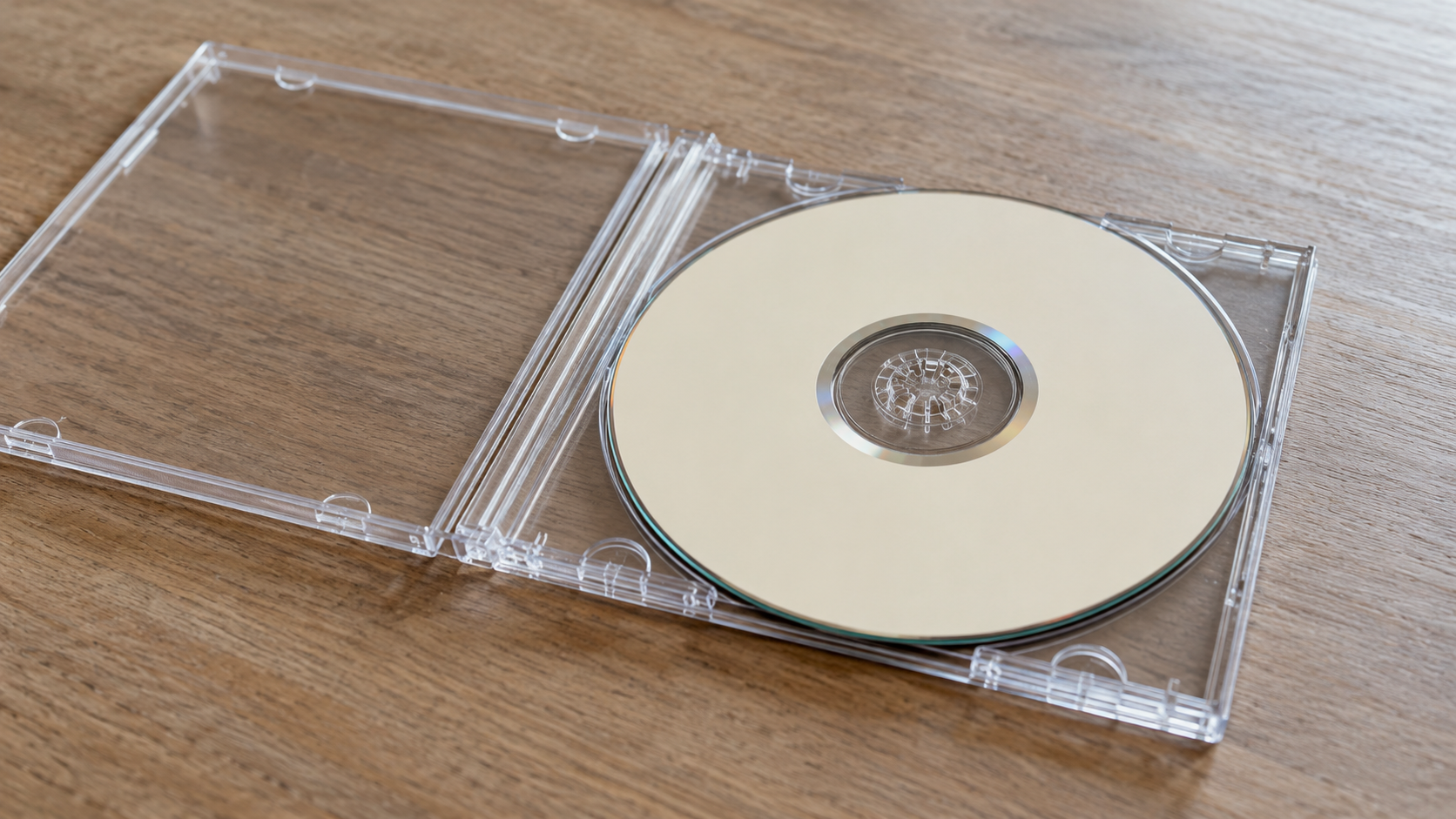
On November 9, 2004, the Mozilla Foundation announced the worldwide availability of Firefox 1.0, a web browser developed through an open-source project. The announcement came from Mountain View, California, but distribution immediately reached users elsewhere through Internet downloads. Versions were available for Windows, Mac OS X, and Linux, with a CD-ROM edition also offered. Firefox had already appeared in development and preview releases, so the date was not the beginning of its code or community. Version 1.0 identified a significant public release intended to bring a focused, relatively approachable alternative browser to a much wider audience.
Browsing in the early 2000s was shaped by Microsoft’s dominant Internet Explorer and by the legacy of the earlier competition between Netscape and Microsoft. Mozilla’s work drew on that history while pursuing a browser separate from a larger application suite. Firefox combined tabbed browsing, integrated search, pop-up blocking, bookmarks, and support for extensions. These features were not all inventions introduced for the first time on November 9. Their importance was how they were assembled, made accessible, and supported in a product people could choose to install. Importing information from another browser also reduced some of the inconvenience of switching software.
The release reflected work by paid developers and a broad volunteer community involved in programming, testing, documentation, localization, and promotion. The preceding preview had attracted millions of downloads, providing both visibility and opportunities to uncover problems. That did not mean every website would work perfectly or that the new browser was immune to security flaws. Compatibility could depend on how a site was written, while extensions introduced additional software and maintenance needs. The release notes documented features alongside known issues. A version number marked readiness for general use rather than a guarantee that development, testing, or repair would no longer be necessary.
Firefox’s subsequent growth helped restore meaningful competition in desktop browsing and increased attention to web standards and user choice. Later releases changed performance, security arrangements, interfaces, and the underlying implementation; they should not be projected backward onto the 2004 product. The broader web also continued to evolve through the work of standards organizations, website authors, and competing browser teams. November 9 marks a prominent software release within that ongoing process. Its lasting significance was not simply the addition of another program to download. It showed that a nonprofit foundation and an open development community could organize a usable consumer application, distribute it internationally, and challenge an established default. That required coordination and sustained maintenance as much as source code that people were permitted to inspect.
Firefox grew out of Mozilla's longer browser development history. Version 1.0 followed public previews rather than appearing without earlier testing.
The November 9, 2004 release offered Windows, Mac OS X, and Linux versions. Downloads and a CD-ROM edition served different distribution needs.
Tabs, search, pop-up blocking, and extensions were combined in a focused browser. Not every individual feature originated with this release.
Known issues and compatibility limits remained. General availability did not make the browser or its extensions maintenance-free.
The project brought together developers, testers, translators, documentation writers, and advocates. International distribution depended on more than programming alone.
Firefox helped expand practical browser choice and attention to standards. Its later versions and capabilities must be distinguished from the original 1.0 product.
Explore more of "On This Day ..."
Discover more events from the same date across news, politics, technology, sports, and other fields. Each link highlights significant moments that shaped history on different fronts.