

On This Day in Tech: November 11, 2006
On November 11, 2006, Sony Computer Entertainment released PlayStation 3 in Japan, beginning the commercial life of its third home-console generation. The launch brought together a new processor architecture, high-definition graphics, a Blu-ray optical drive, built-in storage, and network connectivity in one consumer product. It was the Japanese debut, not a simultaneous release in every market. North America followed later that month, while Europe received the console in March 2007. Keeping those dates separate matters because the platform’s worldwide arrival was a process involving regional distribution, available games, manufacturing capacity, and the services supporting the hardware.
The system followed the widely adopted PlayStation 2 but made a substantial change in how software could use its computing resources. Its Cell Broadband Engine processor was developed through cooperation among Sony, Toshiba, and IBM. Games also depended on the RSX graphics processor and a memory arrangement developers had to understand and manage. More processing capability did not automatically become a better game: developers needed tools, experience, and software designs suited to the architecture. The hardware was ambitious, but the practical experience of using it depended on what programmers could accomplish within real constraints of memory, development schedules, and performance targets.
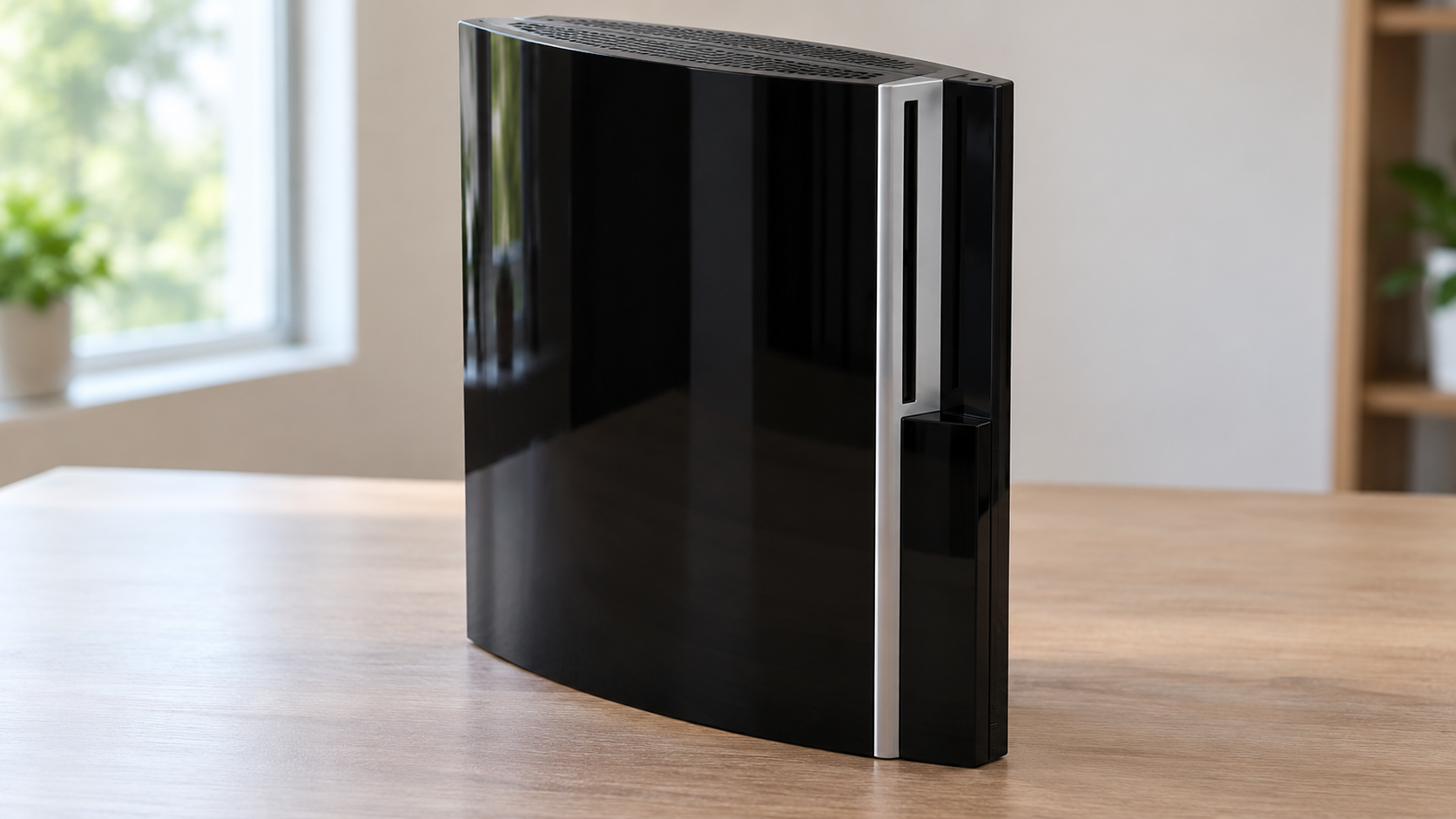
Blu-ray gave the console a larger-capacity optical format for games and the ability to play compatible high-definition movies. A hard drive supported stored content and downloaded material, while Ethernet and wireless controllers connected the machine with a more networked style of home entertainment. The original Sixaxis controller added motion sensing to an established control layout. These features should not be confused with every capability added during the console’s later life. Controller revisions, software updates, online offerings, and redesigned hardware changed the system over time. The thick original console sold in 2006 was not the smaller Slim model introduced several years afterward.
PlayStation 3 eventually supported a large library and a long period of online play and digital distribution. Its history also reflects the difficulty of introducing a sophisticated consumer computer at an accessible price while supplying enough compelling software. Later games often used the architecture more effectively as development teams gained experience. November 11 marks the first regional retail launch of the system, not the completion of its eventual catalogue or services. Its technological significance lies in the convergence it pursued: gaming hardware also became a high-definition media player, a network client, and a platform updated after purchase. That combination made the console’s continuing software and service infrastructure increasingly important alongside the specifications of the machine sitting beside the television.
PlayStation 3 followed Sony's earlier home consoles but introduced a substantially different computing architecture.
Japan received the system on November 11, 2006. North America and Europe had separate launch dates.
Cell processing, RSX graphics, Blu-ray, storage, and networking worked together as a platform. Developers still had to adapt their software to the hardware.
The original Sixaxis controller and thick console should be distinguished from later controller and case revisions. Features added by updates were not all present on launch day.
A larger game library and improving development experience expanded what the system could offer over time. Those results followed the initial release.
The console combined games, high-definition media, and connected services. Its usefulness increasingly depended on maintained software and supporting infrastructure.
Explore more of "On This Day ..."
Discover more events from the same date across news, politics, technology, sports, and other fields. Each link highlights significant moments that shaped history on different fronts.