

On This Day in Tech: November 20, 1985
On November 20, 1985, Microsoft announced retail shipment of Windows 1.0 to dealers and distributors from Bellevue, Washington. The software added a graphical operating environment to compatible personal computers running MS-DOS. It followed the company’s initial Windows announcement in 1983, after a development period longer than first anticipated. The shipping date was therefore different from the project’s unveiling and from its later success. Windows 1.0 offered a way to work with visual controls and multiple applications, but it was not the fully independent, networked operating system a present-day reader might imagine from the Windows name alone.
Many IBM-compatible computers were operated through typed DOS commands. A graphical environment could make some activities more consistent by giving applications shared approaches to screens, pointing devices, menus, and other controls. Windows provided a foundation on which developers could build such programs instead of implementing every interaction independently. The early package also included small applications such as a calculator, calendar, notepad, Paint, and Write. These programs helped demonstrate the environment and gave buyers something to use immediately. They did not turn every existing DOS application into a graphical program or remove the need to understand the limits of the computer underneath.
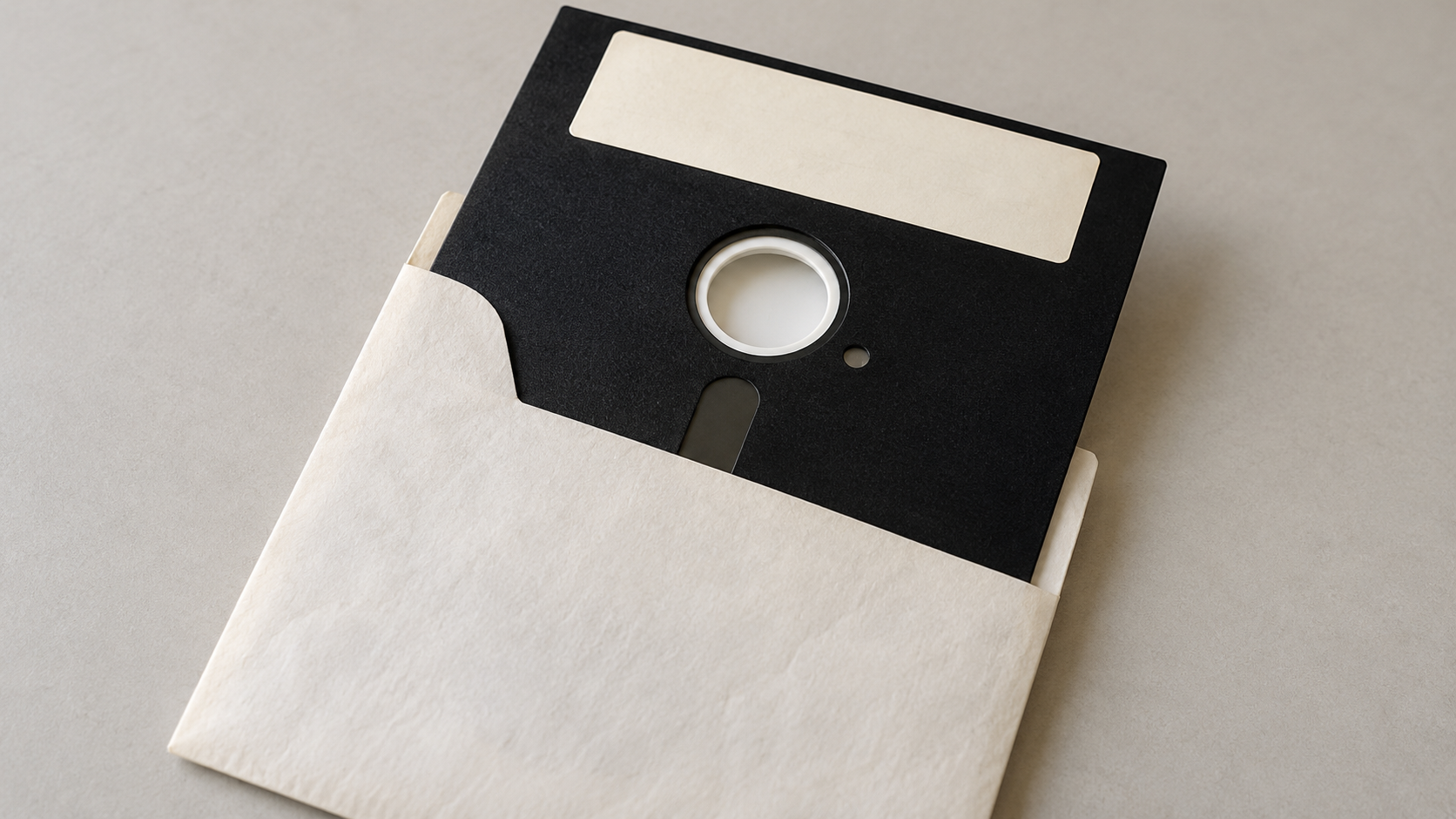
The first release worked within tight constraints of processor performance, memory, graphics equipment, and disk storage. Users still needed MS-DOS, and supported hardware and drivers affected what could run. Windows 1.0 generally arranged application windows beside one another rather than offering the flexible overlapping desktop associated with later versions. It also allowed switching among programs without closing and restarting each one, though this should not be confused with the protected multitasking arrangements of much later systems. Distribution on floppy disks made installation a physical process involving media and local drives. The quality of the experience depended on the combination of software, suitable hardware, and applications worth using.
The original release did not immediately establish the dominance later associated with Windows. Broader adoption came through subsequent versions, improvements in personal-computer hardware, and a growing community of application developers and hardware partners. Features such as the familiar Start menu, widespread Internet integration, and modern security architecture belonged to later stages. November 20 marks the beginning of commercial shipment for the first Windows environment, not the arrival of all those developments. Its significance was a sustained attempt to create a common graphical platform across compatible machines. The early product shows how a lasting software ecosystem can start with a constrained implementation whose value depends on continued development, third-party participation, and the practical work of making many different components behave consistently for users.
Microsoft announced Windows in 1983 and shipped the first retail environment on November 20, 1985. Those are separate milestones.
Windows 1.0 ran with MS-DOS on compatible PCs. It was not equivalent to a modern standalone Windows operating system.
Shared graphical conventions supported mouse-driven applications. Included tools such as Paint and Write demonstrated practical uses of the environment.
Memory, graphics, drivers, and storage constrained the experience. The tiled layout differed from later overlapping desktops.
Wider acceptance came with subsequent versions, stronger hardware, and more applications. Later features must not be attributed to the 1985 release.
The lasting story concerns a platform and its ecosystem. Compatibility and developer participation mattered alongside the original user interface.
Explore more of "On This Day ..."
Discover more events from the same date across news, politics, technology, sports, and other fields. Each link highlights significant moments that shaped history on different fronts.