

On This Day in Tech: December 3, 1992
On December 3, 1992, software engineer Neil Papworth sent the first widely recognized SMS text message over Vodafone’s mobile network in the United Kingdom. He typed the seasonal greeting Merry Christmas on a computer and sent it to Vodafone’s Richard Jarvis, who received it on an Orbitel 901 phone. Papworth was working on the installation and testing of a Short Message Service system for Vodafone. The demonstration did not involve two people composing messages on modern pocket handsets. It connected a computer-based sending arrangement, network equipment, and a mobile receiving device at a stage when the service was still being established.
SMS emerged within the development of digital mobile communications rather than appearing as an isolated invention by the person who sent that greeting. Standards, network design, software, and equipment supplied the underlying capabilities. The idea was to deliver short written information alongside the mobile network’s voice functions, allowing a message to be received without requiring a spoken conversation. Papworth’s role in integration and testing helped turn that capability into a working demonstration outside the laboratory. His later account emphasized the practical pressure of making the system work, a reminder that a famous first can also be an ordinary professional test with a definite operational objective.
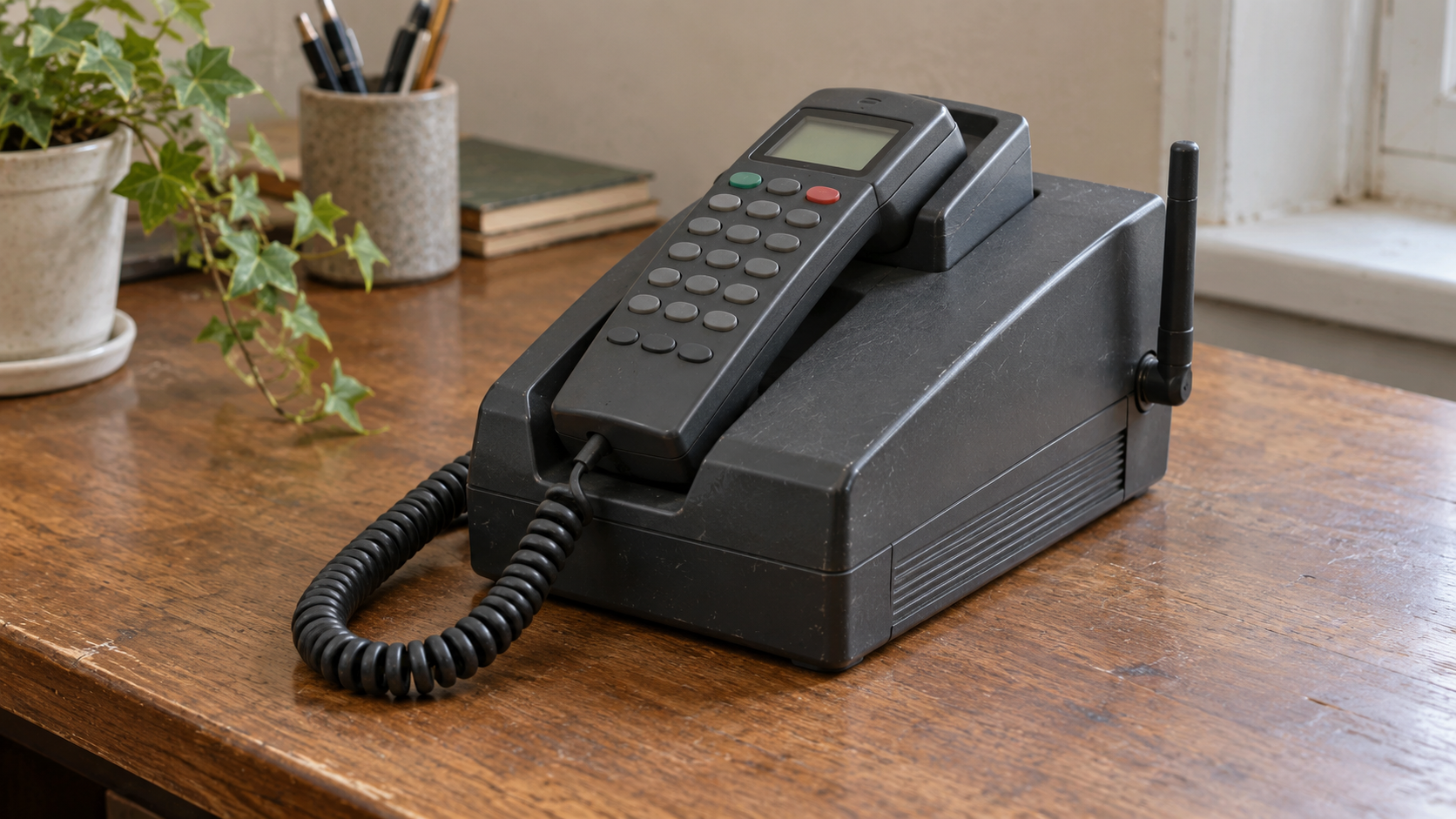
The receiver was a substantial early GSM device, not a smartphone with a touchscreen or an application store. The difference matters because the familiar habits associated with texting developed afterward. Early equipment and services did not immediately offer the convenient person-to-person experience that later users took for granted. Message composition, handset support, service availability, and connections between operators all influenced adoption. The short length associated with SMS also shaped how people communicated, encouraging abbreviations and economical phrasing. Those cultural habits grew through wider use; they were not all present or predicted in the simple holiday greeting delivered on December 3.
Texting subsequently became a major way to coordinate everyday activities, exchange brief information, and communicate when a voice call was inconvenient. Its growth required many changes beyond the initial demonstration, including more suitable handsets and broader network support. Later internet-based messaging services introduced different capabilities, but they should not be projected backward onto the original system. The anniversary marks a successful practical step in mobile communication, not the creation of every form of electronic text. It also illustrates how a modest payload can have a large influence when it becomes accessible, reliable, and integrated into equipment that people already use. The first greeting mattered because the surrounding system could deliver it.
Papworth sent the message from a computer, not by tapping it into another mobile phone. Jarvis received it on an Orbitel 901.
The greeting demonstrated an SMS system being installed and tested for Vodafone. Standards and development work preceded this transmission.
An early GSM phone could receive a short message without resembling a modern smartphone. The physical equipment and user experience were quite different.
Widespread texting depended on handset support and service connections developing afterward. A first demonstration did not create an immediate mass market.
The short-message format encouraged concise language and abbreviations. Those habits emerged through repeated everyday use over time.
The event belongs to the history of a specific mobile messaging service. Earlier electronic text systems and later internet messaging have their own distinct histories.
Explore more of "On This Day ..."
Discover more events from the same date across news, politics, technology, sports, and other fields. Each link highlights significant moments that shaped history on different fronts.