

On This Day in Tech: December 10, 1993
On December 10, 1993, id Software released the shareware version of Doom, bringing a new first-person action game to personal computers running MS-DOS. Developed by a small team in Texas, the game combined a fast-moving viewpoint, textured environments, sound, and networked play in a package that users could obtain and pass along without buying the complete game first. John Carmack’s engine programming and John Romero’s design work were central contributions, alongside the work of other programmers, designers, and artists. Doom was not the first first-person shooter. Its significance lay in how effectively its technology, distribution, and player participation reinforced one another.
The game’s opening episode was distributed as shareware, while customers paid for the full version. Downloads, bulletin-board systems, and copied physical media helped the initial experience move beyond the limits of a conventional shop purchase. The model depended on a clear distinction between trying a substantial portion of the game and obtaining the complete commercial product. It also suited a period when personal-computer users frequently exchanged software through relatively slow connections and floppy disks. The launch was a release of software that could circulate, not a simultaneous worldwide delivery of one standardized retail box or a modern account-based online service.
Doom made its environments feel convincingly spatial while using carefully chosen technical shortcuts. Its engine organized map information so that it could determine which surfaces needed to be drawn, and it combined textured geometry with two-dimensional character and object graphics. The result was not unrestricted modern three-dimensional simulation, but it gave players responsive movement through a compelling visual world on suitable contemporary PCs. Network play added another dimension: players could cooperate or compete rather than experience the levels alone. Performance still depended on the machine and connection, and running a multiplayer session required practical setup rather than the seamless matchmaking familiar from later games.
A further legacy emerged from the separation of much of the game’s content into data files and from the community that made new levels and modifications. Players became creators, extending the useful life of the original software and experimenting with its design. id Software later released engine source code, a separate development from the 1993 shareware launch. The game’s violent imagery also formed part of its identity, but the technology story does not require treating controversy as the cause of every subsequent change in the industry. December 10 marks a release whose influence reached beyond sales: it helped establish expectations for first-person PC action, multiplayer competition, software sharing, and the creative possibilities of modifying an existing game.
Shareware allowed the opening episode to circulate freely while preserving a paid full version. It was a distribution strategy, not a statement that every part of the commercial game was free.
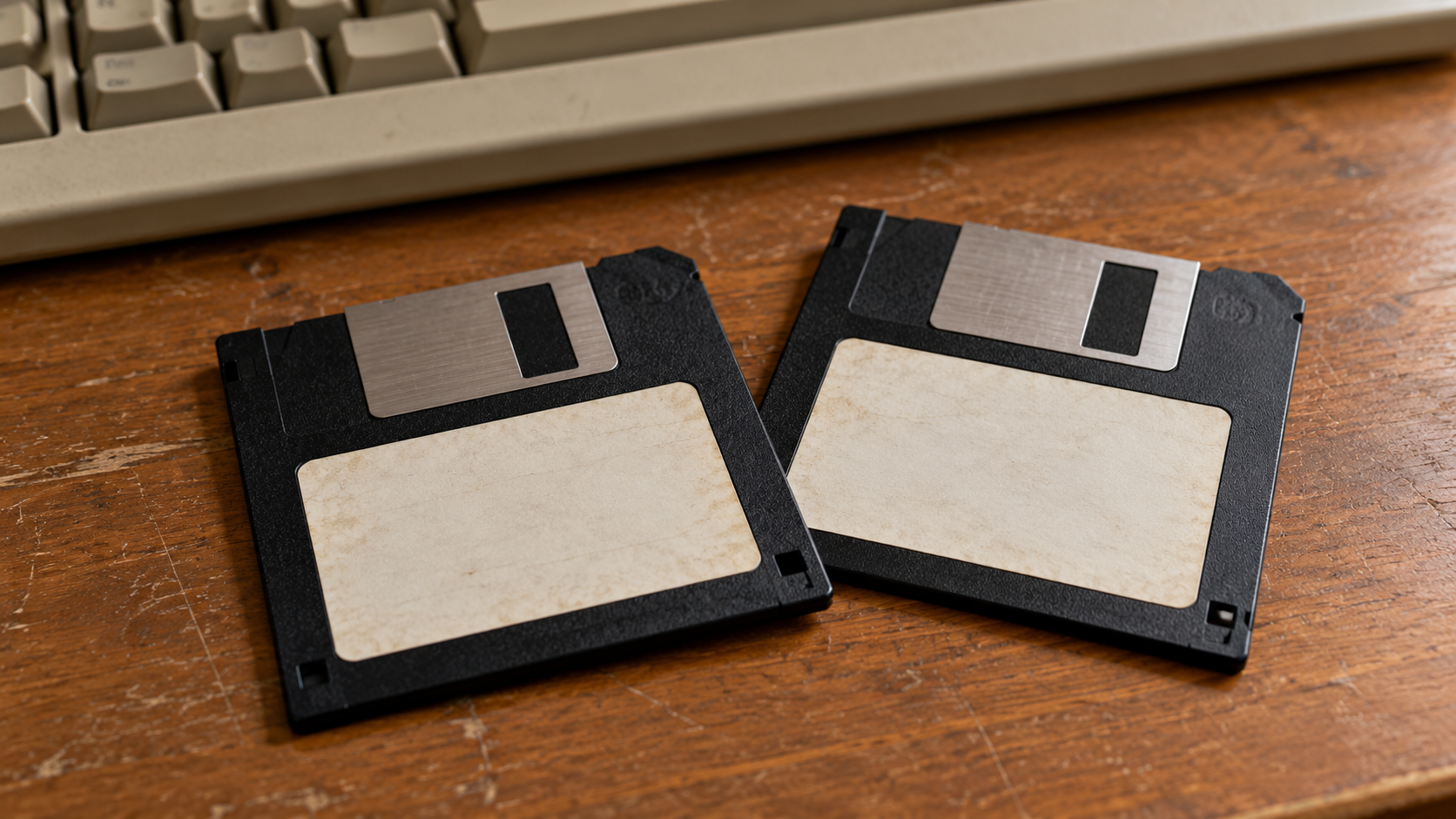
The museum record preserves Doom on 3.5-inch disks, while other surviving editions used different packaging. Physical copies illustrate the wider distribution history rather than one exact launch-night package.
Doom followed earlier first-person games, including id Software's Wolfenstein 3D. Describing it as influential is more accurate than calling it the invention of the entire genre.
The graphics combined map geometry, textures, and sprite-based objects. That combination provided a convincing sense of space without behaving like a fully unrestricted modern 3D world.
User-created maps and modifications made the game a platform for experimentation as well as a finished product. Community work helped its reach extend beyond the supplied levels.
The later source-code release was not part of the initial shareware launch. Keeping those dates separate explains how different forms of access developed over time.
Explore more of "On This Day ..."
Discover more events from the same date across news, politics, technology, sports, and other fields. Each link highlights significant moments that shaped history on different fronts.