

Amino Acids Explainer
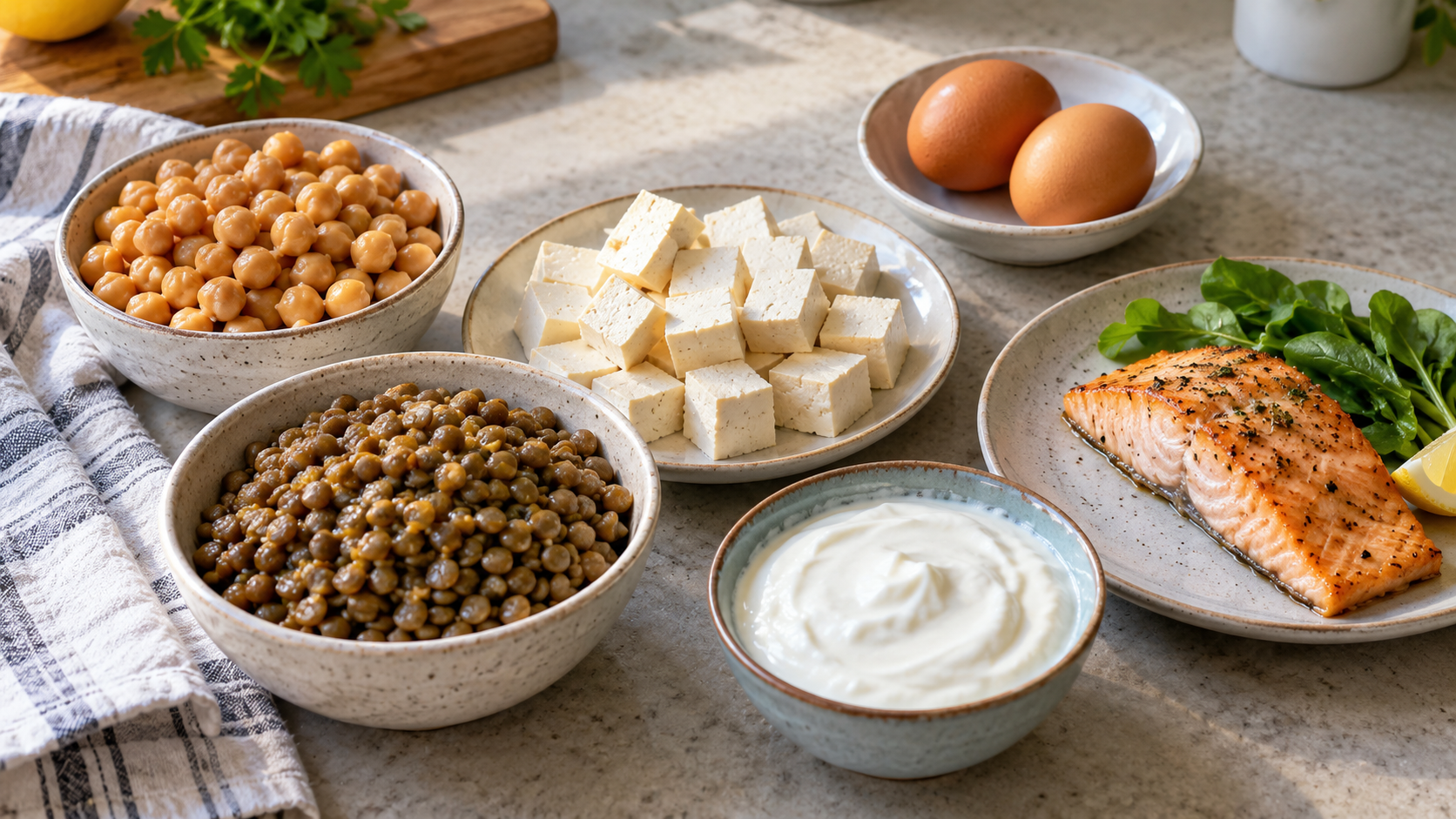
Amino acids are organic molecules that serve as the basic building blocks of proteins—critical components of virtually every structure and function in the human body. Proteins make up muscles, skin, hair, blood, and organs, while also acting as enzymes and hormones that drive life-sustaining chemical reactions. To build and maintain these essential proteins, the body relies on 20 main amino acids, each with a distinct role in metabolism, cellular repair, and communication between systems. Although the body can produce some amino acids on its own, others must come from food sources such as meat, dairy, eggs, grains, and legumes.
These molecules fall into three categories: essential, nonessential, and conditionally essential. Essential amino acids—such as lysine, tryptophan, and leucine—cannot be synthesized by the body and must be obtained through diet. Nonessential amino acids can usually be produced internally, while conditionally essential amino acids only become necessary through diet during illness, injury, or growth stages like childhood. When we eat protein, the body breaks it down into amino acids that are rearranged and reused to support processes like building muscle, producing neurotransmitters, and strengthening the immune system.
Beyond structural support, amino acids influence how we feel and function each day. Tryptophan helps create serotonin, which regulates mood and sleep. Branched-chain amino acids assist with athletic performance and muscle recovery. Glutamine supports digestive and immune health, especially during stress. A deficiency in key amino acids can weaken immunity, reduce muscle mass, slow growth, and impair healing. Maintaining a balanced intake is especially important for older adults, athletes, vegetarians, and people managing certain medical conditions.
While most people can meet their needs through a varied diet, some turn to amino acid supplements for targeted benefits like exercise recovery or managing low protein intake. However, balance matters—too much of one type may interfere with the availability of others. A nutrition approach that emphasizes whole-food protein sources generally ensures the body receives what it needs to build, repair, and thrive. Amino acids might be microscopic in size, but their role in human health is as massive as it gets.
Amino acids are small organic molecules that serve as the basic building blocks of proteins. Every muscle fiber, organ tissue, enzyme, and many hormones in the body are made from proteins that are assembled from different combinations of 20 main amino acids. Without them, the body cannot grow, repair, or regulate itself effectively.
These amino acids come from two sources: those the body can make on its own (nonessential) and those that must come from food (essential). Essential amino acids are supplied through protein-rich foods like meat, dairy, eggs, soy, legumes, and whole grains. They circulate in the bloodstream, ready to be reused whenever the body needs to build or maintain cells and tissues.
When you eat protein, the digestive system breaks it down into individual amino acids. The body then rearranges these amino acids to build new proteins that support muscle repair after exercise, maintain skin and hair, produce antibodies for immune defense, and create enzymes that drive chemical reactions such as digestion and energy production.
Amino acids also help regulate mood, sleep, and focus. Some are used to make neurotransmitters and hormones like serotonin, dopamine, and adrenaline. Others, such as branched-chain amino acids, are involved in energy use during physical activity and recovery afterward. This is why athletes, growing children, and people healing from illness or surgery often have higher protein and amino acid needs.
If a diet is consistently low in high-quality protein, the body may not get enough essential amino acids. Over time, this can contribute to muscle loss, fatigue, slower wound healing, weakened immunity, and, in children, impaired growth. People who follow restrictive diets, older adults, and those with certain medical conditions may be especially vulnerable.
Most people can meet their amino acid needs by eating a variety of protein sources throughout the day, including plant-based options such as beans, lentils, nuts, seeds, and whole grains. Some individuals use protein or amino acid supplements for convenience or targeted support, but balance and moderation remain important. Talking with a healthcare or nutrition professional can help determine the best approach for individual health goals.
Explore more "Explainers"
Discover additional explainers across politics, science, business, technology, and other fields. Each explainer breaks down a complex idea into clear, everyday language—helping you better understand how major concepts, systems, and debates shape the world around us.