

Anemia Explainer
Anemia is a health condition that occurs when the body doesn’t have enough healthy red blood cells or hemoglobin to effectively carry oxygen to tissues. Because oxygen is essential for energy production in every cell, anemia often leads to fatigue, weakness, and shortness of breath. It can be temporary or chronic, ranging from mild cases that go unnoticed to more serious forms requiring medical treatment. Anemia is one of the most common blood disorders worldwide, affecting people of all ages, including children, pregnant individuals, and older adults.
There are many potential causes, but the most common is iron-deficiency anemia, which results from not getting or absorbing enough iron to make hemoglobin. Other types include vitamin B12 or folate deficiency anemia, blood-loss anemia from injury or heavy menstruation, and anemia linked to chronic diseases such as kidney disorders, autoimmune conditions, and some cancers. Genetics can also play a role—conditions like sickle cell disease and thalassemia change the shape or function of red blood cells, creating lifelong health challenges.
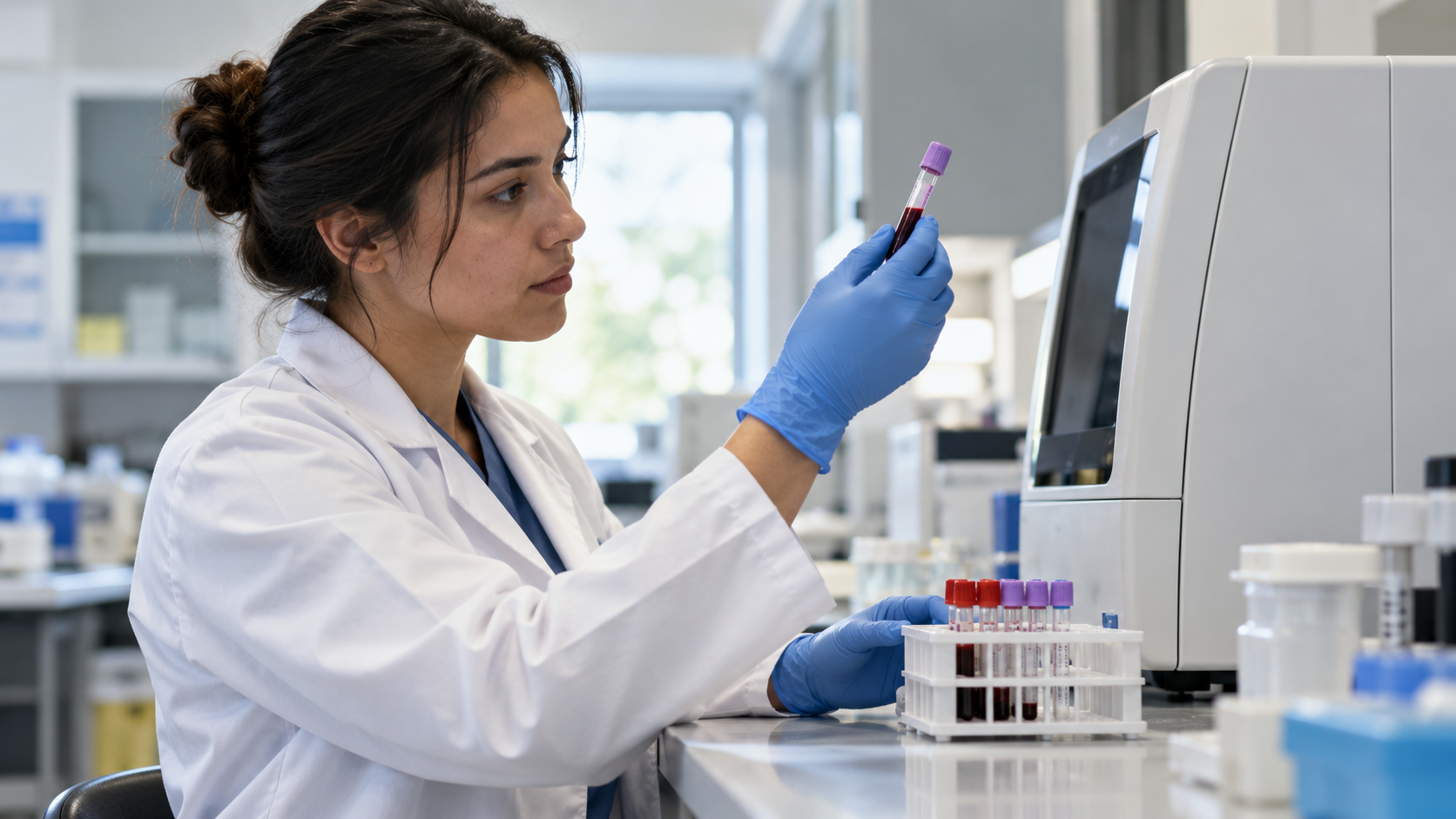
Diagnosis typically includes a physical evaluation and blood tests such as a complete blood count (CBC) that measures hemoglobin levels and red blood cell characteristics. Treatment depends on the root cause, ranging from dietary changes and supplements to managing underlying medical conditions or receiving specialized therapies. For many people, improving nutrient intake—like iron-rich foods, leafy greens, beans, eggs, and fortified grains—helps restore healthy blood levels. In more severe cases, blood transfusions, medications, or hormonal treatments may be necessary.
Addressing anemia effectively requires not only correcting deficiencies but also identifying why the imbalance occurred. Awareness of symptoms—like dizziness, pale skin, cold hands and feet, or unusual tiredness—can lead to earlier detection. Because untreated anemia can impact heart health, cognitive performance, pregnancy outcomes, and overall well-being, regular checkups and timely care make a significant difference in quality of life.
Anemia is a condition in which the body does not have enough healthy red blood cells or hemoglobin to carry adequate oxygen to tissues. It is one of the most common blood disorders worldwide and can affect people of all ages, from children to older adults.
The most frequent form is iron-deficiency anemia, which occurs when the body does not get or absorb enough iron to make hemoglobin. Other causes include vitamin B12 or folate deficiencies, chronic diseases, inherited blood disorders, and blood loss from injury, surgery, or heavy menstrual periods.
Because red blood cells deliver oxygen to organs and muscles, anemia often leads to fatigue, weakness, shortness of breath, dizziness, and pale or sallow skin. Some people notice reduced exercise tolerance, trouble concentrating, or feeling unusually cold, even when others are comfortable.
In clinical practice, anemia is usually detected with blood tests such as a complete blood count (CBC), which measures hemoglobin levels and red blood cell characteristics. Treatment depends on the cause and may involve iron or vitamin supplements, dietary changes, medicines to manage underlying conditions, or in more severe cases, blood transfusions or other specialized therapies.
If anemia is left unaddressed, the heart and other organs may work harder to compensate for lower oxygen levels. Over time, this can contribute to complications such as heart strain, pregnancy-related problems, or delayed growth and development in children.
Many cases of anemia are manageable once the cause is identified, but it often signals something else going on in the body. That is why healthcare professionals focus not only on correcting low blood counts, but also on finding and treating the underlying reason, whether it is nutrient deficiency, chronic disease, or another medical issue.
Explore more "Explainers"
Discover additional explainers across politics, science, business, technology, and other fields. Each explainer breaks down a complex idea into clear, everyday language—helping you better understand how major concepts, systems, and debates shape the world around us.