

Birth Control Explainer
Birth control refers to the methods, medications, and devices used to prevent pregnancy. It plays a major role in reproductive health by allowing individuals and couples to plan if and when they want to have children. Options range from temporary methods like condoms and daily pills to long-acting reversible contraception such as intrauterine devices (IUDs) and implants. Sterilization procedures also exist for those seeking a permanent solution. The wide variety of choices means there is no universal best option — decisions are shaped by age, lifestyle, medical history, and personal preferences.
Hormonal birth control is one of the most commonly used types. Pills, patches, rings, and injections work by preventing ovulation, thickening cervical mucus, or altering the uterine lining. Non-hormonal methods include copper IUDs, condoms, and fertility-awareness-based tracking. Condoms remain the only widely available form that helps prevent sexually transmitted infections (STIs) in addition to pregnancy. Effectiveness can vary significantly — some options require consistent daily or correct use, while others work quietly in the background once inserted or applied.
Beyond pregnancy prevention, birth control can offer important health benefits. Many hormonal methods are used to treat conditions like endometriosis, polycystic ovary syndrome (PCOS), acne, anemia, and irregular or painful menstrual cycles. Access to contraception also has broad public health and economic implications, expanding educational and career opportunities for those who can better control life planning. At the same time, the topic remains influenced by policy, cultural views, and healthcare coverage differences across regions. Understanding available methods, risks, and benefits helps people make informed decisions aligned with their goals and well-being.
Birth control refers to a wide range of methods designed to prevent pregnancy and support reproductive choice. Modern contraceptive innovation accelerated in the 20th century with the first oral contraceptive pill approved in 1960, giving people unprecedented control over family planning.
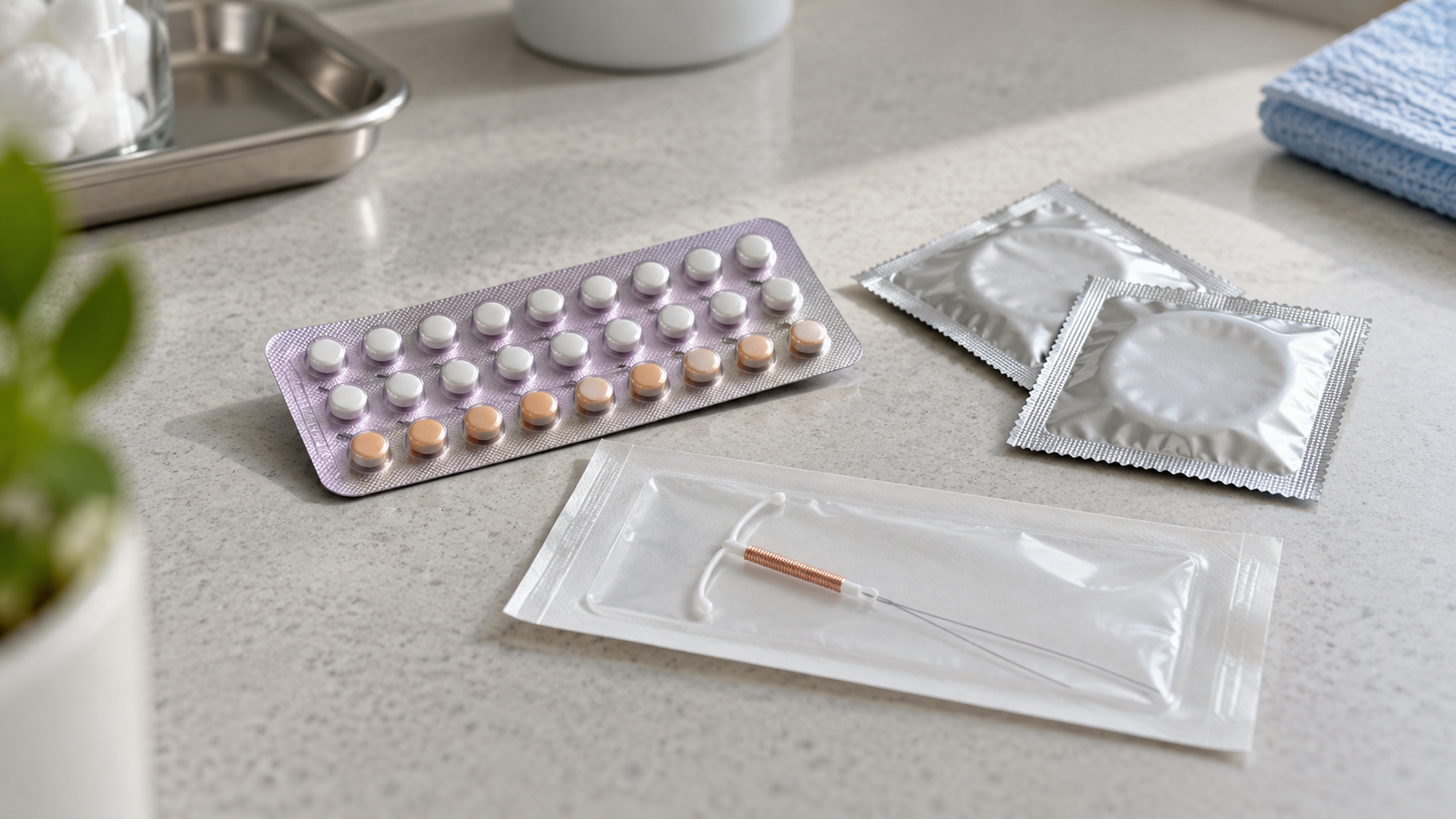
Today, options include hormonal pills, patches, vaginal rings, injections, implants, and intrauterine devices (IUDs), as well as barrier methods like condoms. The goal is to allow individuals and couples to decide if and when pregnancy happens, while improving overall reproductive and public health outcomes.
Birth control works in different ways depending on the method. Hormonal options typically prevent ovulation, thicken cervical mucus, or thin the uterine lining to stop fertilization or implantation. Non-hormonal methods may act as physical barriers or alter sperm movement and survival.
Effectiveness varies based on both the method and how consistently it is used. Long-acting reversible contraception such as IUDs and implants provide years of protection with little user effort, while condoms remain valuable for preventing both pregnancy and sexually transmitted infections (STIs).
Access to birth control supports educational opportunities, workforce participation, and economic stability by reducing unplanned pregnancies. Many hormonal methods also help manage medical conditions such as endometriosis, PCOS, and painful or irregular periods.
Despite its health benefits, birth control remains a topic of social, legal, and policy debate. Coverage varies widely across regions, creating disparities in who can obtain their preferred method. Continued research and public health efforts aim to expand access while respecting individual values and healthcare needs.
Explore more "Explainers"
Discover additional explainers across politics, science, business, technology, and other fields. Each explainer breaks down a complex idea into clear, everyday language—helping you better understand how major concepts, systems, and debates shape the world around us.