

Biopsy Explainer
A biopsy is a medical procedure in which a small sample of tissue or cells is removed from the body so it can be examined under a microscope. Doctors use biopsies to investigate abnormal findings—such as a lump, a suspicious spot on an imaging scan, or changes in blood tests—and to confirm or rule out conditions like cancer, infections, or inflammatory diseases. While the word itself often makes people think of cancer, many biopsies ultimately show noncancerous or treatable conditions, making the test a crucial tool for accurate diagnosis and appropriate care.
There are several main types of biopsy, each chosen based on where the abnormality is and how easily it can be reached. A needle biopsy uses a thin needle to remove a small core or sample, often guided by ultrasound, CT, or MRI imaging to ensure precision. This approach is common for breast, liver, lung, or lymph node biopsies and is usually done with local anesthesia. A surgical biopsy involves making a larger incision to remove part or all of a suspicious area, sometimes during an operation already planned for diagnosis or treatment. There are also endoscopic biopsies, where a flexible tube with a camera is used to take tiny samples from organs like the stomach, colon, or lungs, and skin biopsies, where a small section of skin is shaved, punched, or excised for testing.
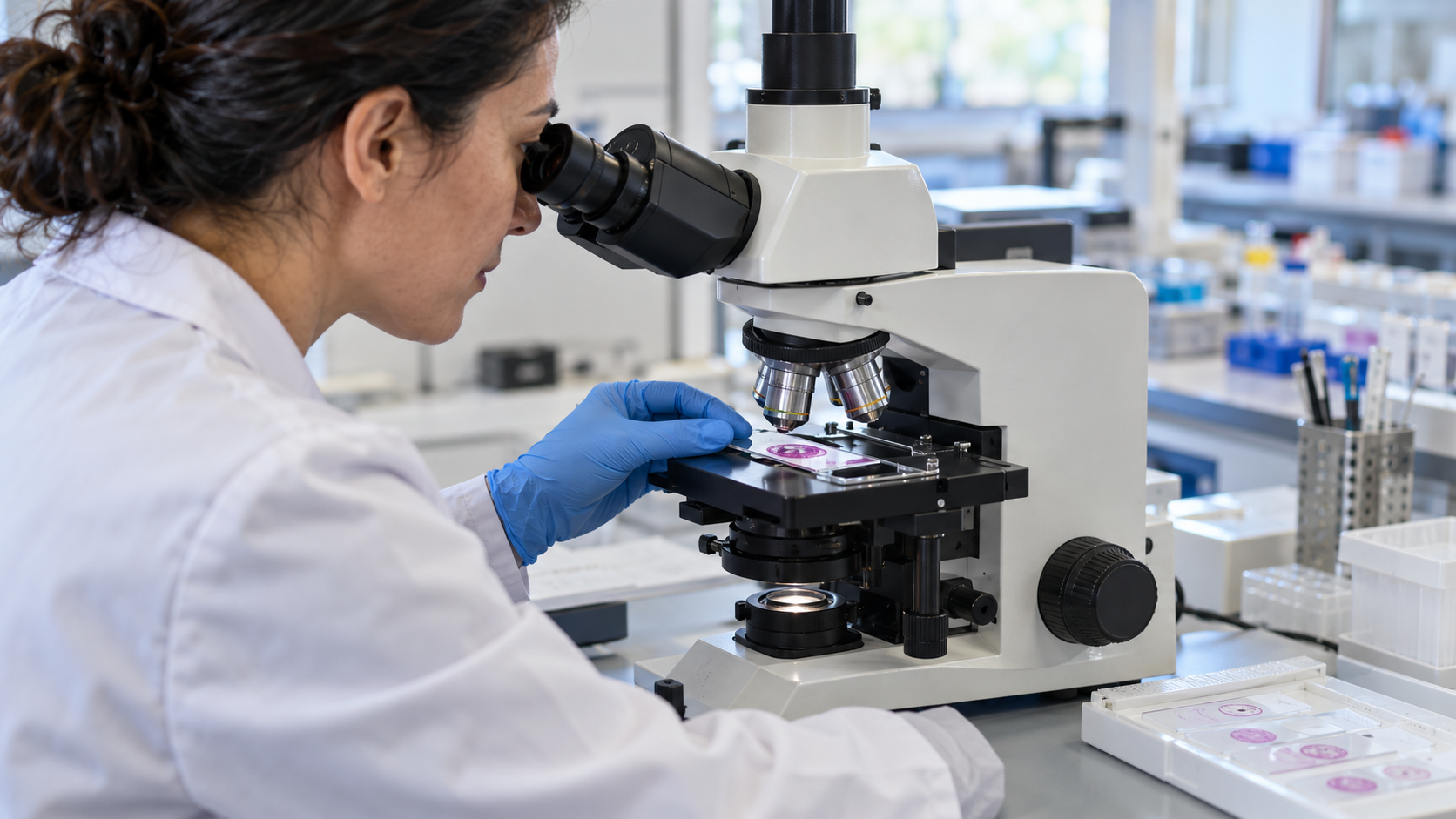
After the sample is collected, it goes to a pathology lab, where specialists prepare very thin slices, stain them to highlight cell structures, and examine them under a microscope. Pathologists look for patterns that indicate whether cells are normal, inflamed, infected, precancerous, or cancerous, and they may run additional tests to determine cell type, growth rate, or specific genetic markers. These details help doctors decide on next steps: monitoring, medication, surgery, radiation, or other treatments. While some quick tests can provide preliminary results, full biopsy reports often take several days because of the careful processing and analysis involved.
For most people, a biopsy is a brief, low-risk procedure with mild side effects such as soreness, bruising, or minor bleeding at the site. Serious complications—like significant bleeding, infection, or damage to nearby structures—are uncommon but are part of the informed consent discussion. The emotional side can be just as important as the physical experience, as waiting for results can cause anxiety. Understanding why a biopsy is being done, what type it is, how it will feel, and what information it can provide often helps people feel more prepared and engaged in their care. In many cases, a biopsy is the key step that turns uncertainty into a clear plan of action.
A biopsy is a medical procedure in which a small sample of tissue or cells is removed from the body and examined under a microscope. It is one of the most important tools doctors use to investigate abnormal findings such as lumps, unusual imaging results, or unexplained symptoms.
The idea behind a biopsy is straightforward: instead of guessing what might be happening inside the body, clinicians obtain actual tissue to study. Modern biopsy techniques evolved alongside advances in surgery, imaging, and pathology, allowing doctors to diagnose conditions like cancer, infections, and inflammatory diseases with far greater accuracy than physical exams or scans alone.
In practice, a biopsy can take several forms depending on where the suspicious area is located and how easily it can be reached. Needle biopsies use a thin needle, often guided by ultrasound, CT, or MRI, to remove a small core or sample from an organ or lump. Skin and superficial tissues may be sampled with small punches or excisions, while endoscopic tools collect tiny samples from the digestive tract or lungs.
The tissue sample is sent to a pathology lab, where specialists process, stain, and examine it under a microscope. They look for changes in cell shape, structure, and organization, and may add special tests to identify infections, tumor type, or molecular markers. The results help determine whether tissue is normal, inflamed, precancerous, or cancerous, guiding decisions about monitoring, medication, surgery, or other treatments.
Biopsies are generally safe, but they are not risk-free. Possible complications include pain, bruising, minor bleeding, or infection at the site. Rarely, more serious bleeding or damage to nearby structures can occur, especially when the biopsy involves organs like the lung, liver, or kidney. There is also a small chance that a biopsy sample misses the abnormal cells, leading to an inconclusive or false-negative result.
Ongoing discussion around biopsies focuses on balancing the need for clear answers with the desire to minimize invasive procedures. New imaging techniques, liquid biopsies that analyze blood for tumor signals, and better risk stratification may reduce unnecessary biopsies while still detecting serious disease early. For many patients, understanding why a biopsy is recommended and what information it can provide helps reduce anxiety and supports shared decision-making with their care team.
Explore more "Explainers"
Discover additional explainers across politics, science, business, technology, and other fields. Each explainer breaks down a complex idea into clear, everyday language—helping you better understand how major concepts, systems, and debates shape the world around us.