

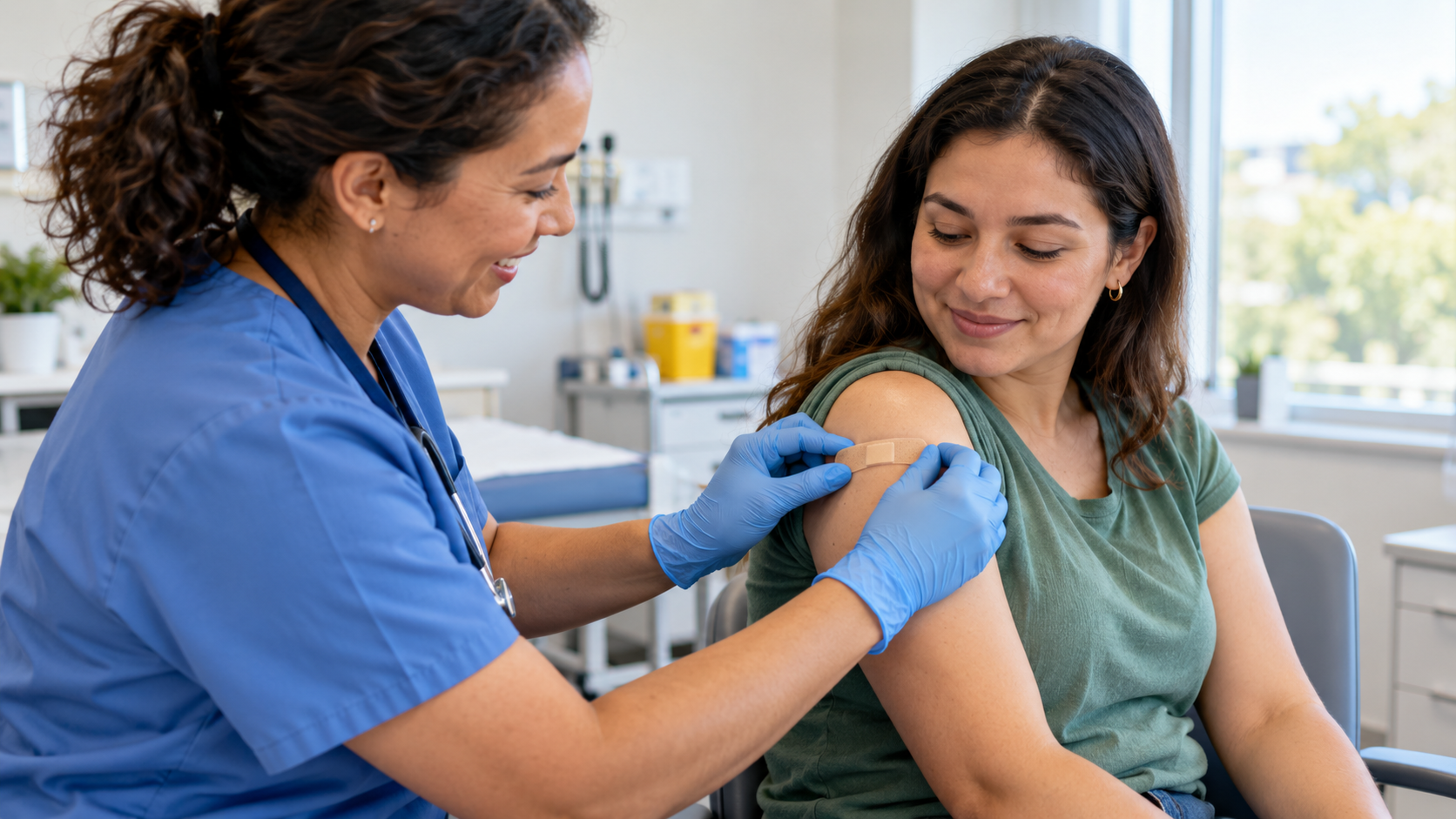
Vaccines Explainer
Vaccines prepare the immune system to recognize a particular threat before a person encounters the disease itself. That preparation uses the body’s ability to learn from an exposure and respond more quickly later. Instead of relying on infection to create that learning, vaccination supplies a controlled way to trigger it. The purpose is to reduce disease and its consequences. Vaccines target specific infections or their harmful products; one vaccine does not create a general shield against every illness.
Different vaccines present the immune system with different kinds of information. Some use an inactivated or weakened organism, some use selected parts of it, and others supply instructions for making a particular antigen. An antigen is something the immune system can recognize and respond to. The design depends on the disease and the evidence for a suitable approach. These differences also explain why storage, administration and suitability vary between products. There is no single recipe shared by every vaccine.
Protection takes time to develop and is not always complete. Some vaccines need a series of doses to build the intended response; others need later boosters when protection decreases. A vaccinated person can sometimes still become infected. That does not make every vaccine ineffective, because reducing severe disease may also be an important goal. Ask what outcome is being measured: infection, symptomatic illness, hospitalization and other consequences are related but different. A percentage without its outcome and study context can be misleading.
Safety is assessed before approval and continues to be monitored after a vaccine is used more widely. Common reactions such as a sore arm or mild fever are usually brief, while serious reactions are possible but rare. Health events that happen after vaccination need investigation; their timing alone does not prove the vaccine caused them. A health professional can review a person’s history, explain expected effects and assess an unexpected reaction. The appropriate vaccine plan depends on age, health circumstances, earlier doses and relevant guidance.
The first encounter with an antigen can take time to produce a useful immune response. Memory cells help make a later response faster. Vaccination uses that process to reduce the chance that a future encounter leads to illness. The immune response remains specific to the target, which is why protection against one infection cannot be assumed to cover an unrelated germ.
Ingredients serve different functions. An antigen provides the target, an adjuvant may strengthen the immune response, and stabilizers or preservatives can help keep a product usable and protected from contamination. Not every vaccine contains every type of ingredient. The relevant questions concern the particular product and its tested formulation, rather than unfamiliar ingredient names considered without information about amount or purpose.
Efficacy describes performance in a controlled trial. Effectiveness describes performance in real-world use, where people and circumstances are more varied. Both need a defined outcome and comparison. For example, a reduction in severe illness is not the same measurement as preventing any infection. Reading those terms carefully makes it easier to understand why apparently different numbers may both be valid.
The primary series and booster recommendations are based on evidence about building and maintaining protection. A missed dose or incomplete record is a reason to ask how to catch up, not to assume an entire series must be restarted. A clinician can interpret local guidance and previous records. Following the appropriate schedule gives the intended protection the best opportunity to develop.
Bring an available vaccination record and mention previous serious reactions, allergies, pregnancy, immune conditions and relevant treatments. Some circumstances affect whether a particular vaccine is suitable or when it should be given. Most people can receive vaccines, but eligibility is product-specific. A discussion should explain both the expected benefit and any precautions that apply to the individual.
It is reasonable to ask which disease is being prevented, how many doses are needed and what to expect afterward. An unexpected or concerning reaction should be discussed with a health professional. Monitoring systems investigate possible safety signals as evidence accumulates. That continuing review is part of vaccination care, alongside the testing and regulatory assessment completed before a product reaches routine use.
Explore more "Explainers"
Discover additional explainers across politics, science, business, technology, and other fields. Each explainer breaks down a complex idea into clear, everyday language—helping you better understand how major concepts, systems, and debates shape the world around us.