

Zinc Explainer
Zinc is an essential mineral that helps cells carry out many ordinary tasks. It supports growth, wound healing and the normal functioning of the immune system, and it is involved in making proteins and DNA. The body needs a regular supply through food or, when appropriate, supplements. These roles make adequate zinc important, but they do not mean that a larger supplement automatically produces stronger immunity or faster recovery. Nutrition works through meeting needs, not endlessly increasing the amount of one nutrient.
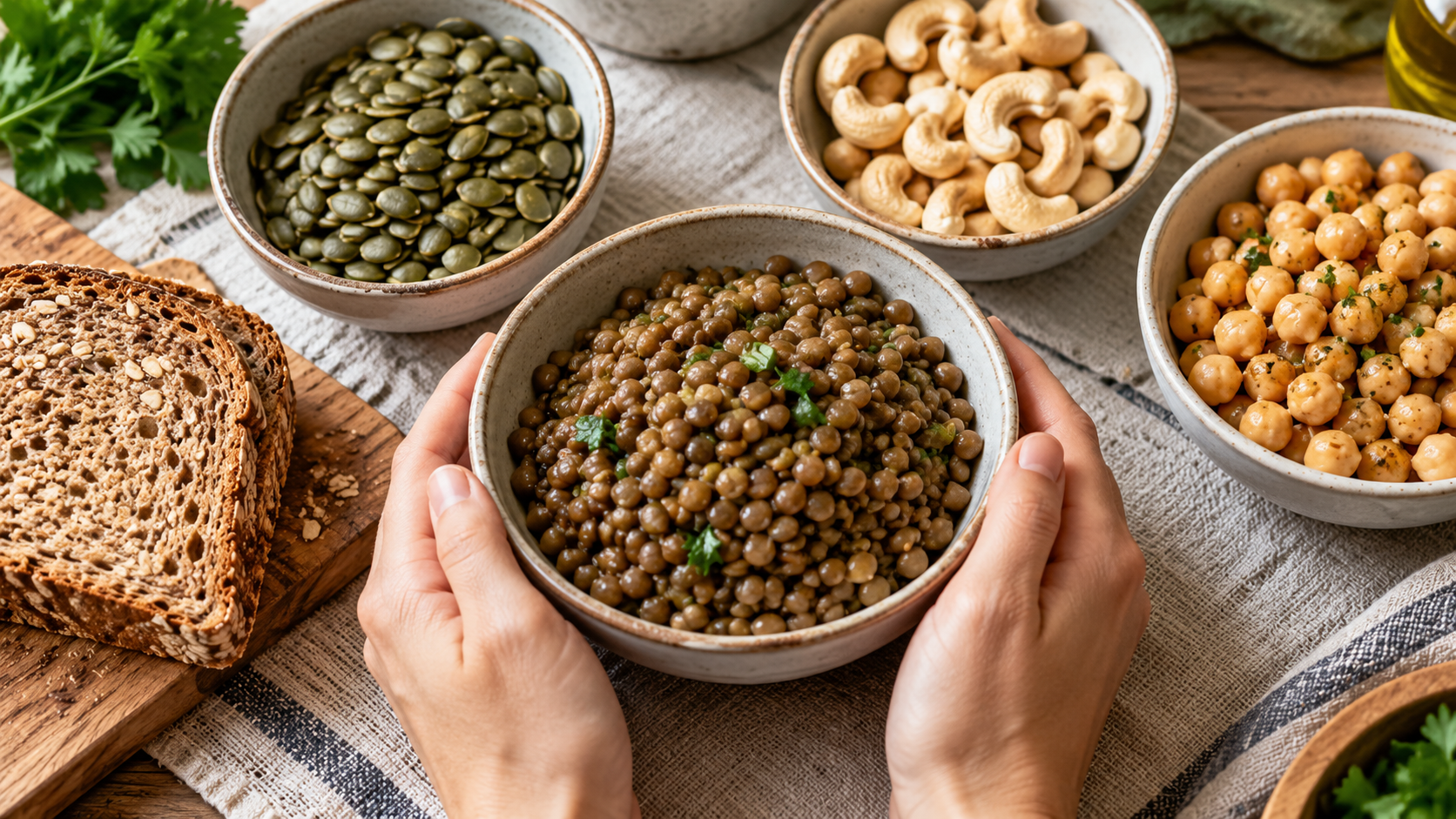
Many foods provide zinc, including meat, seafood, eggs and dairy products. Beans, lentils, nuts and whole grains also contribute, and some cereals are fortified. The amount absorbed differs between foods. Compounds called phytates in some plant foods can reduce zinc absorption, so a food’s listed content does not describe the entire nutritional picture. A varied diet can still include valuable plant sources. Someone with a restricted eating pattern can ask a dietitian how to meet needs within their preferences.
Zinc deficiency can affect appetite, growth, taste, skin and wound healing. Those changes may have other explanations, so a symptom alone is not a reliable diagnosis. Clinicians consider diet, absorption problems and other risk factors alongside any testing. Blood zinc measurements have limitations: illness, timing and other circumstances can affect the result. Assessment therefore connects laboratory information with the person’s broader health picture rather than treating a single number as a complete explanation for every symptom.
High-dose zinc can cause nausea, cramps, vomiting or other digestive symptoms. Prolonged excess can reduce copper absorption and create additional health problems. Zinc may be present in more than one product, including multivitamins and cold remedies, making the combined intake easy to overlook. Tell a clinician or pharmacist about everything being taken. A medically supervised replacement plan is different from repeatedly adding supplements because a product is described as supporting immunity. The total amount and intended purpose both matter.
Recommended intake differs by age and life stage, including pregnancy and breastfeeding. A child's needs and an adult's needs are not interchangeable. The goal is a suitable eating pattern that supplies enough zinc along with other nutrients. A professional nutritional review can be especially helpful when food choices are limited, appetite is poor or an existing condition makes eating or absorption more difficult.
Some digestive disorders and gastrointestinal surgery can interfere with zinc status. Alcohol use disorder may also increase the risk of inadequate intake or absorption. These are reasons to discuss nutrition in context, rather than assume that everyone needs the same supplement. Most people in the United States obtain enough zinc from food, but individual circumstances may justify closer assessment and a tailored plan.
Taste changes, hair loss or a wound that is slow to heal should not be attributed to zinc deficiency without considering other causes. Mention how long the problem has lasted and any relevant changes in diet or health. A clinician may use an examination, nutritional history and selected blood tests to identify the explanation. Treating only the presumed nutritional cause could delay more appropriate care.
Laboratory zinc levels do not always track food or supplement intake closely. Infections and other physiological changes can alter circulating levels, which is why interpretation needs clinical context. If replacement is recommended, ask what the treatment is intended to correct and how it will be reviewed. A useful plan also addresses the reason for deficiency, particularly when an ongoing absorption problem is involved.
Some zinc lozenges have been studied for shortening a common cold, but findings do not justify every product or an indefinite high-dose routine. Formulation and timing matter, and the best approach remains uncertain. Zinc-containing nasal products have been associated with loss of smell. Discuss cold remedies with a pharmacist, especially when taking other treatments, instead of assuming that products containing the same mineral have identical effects.
Zinc can interact with certain antibiotics and other medicines, affecting absorption. A pharmacist can advise whether products need to be separated or whether a supplement is appropriate at all. Long-term excess can create copper deficiency even when the original intention was better health. Check labels, avoid combining overlapping products without a reason and review persistent symptoms with a clinician rather than increasing the dose yourself.
Explore more "Explainers"
Discover additional explainers across politics, science, business, technology, and other fields. Each explainer breaks down a complex idea into clear, everyday language—helping you better understand how major concepts, systems, and debates shape the world around us.