

Hypoglycemia Explainer
Hypoglycemia means that blood glucose has fallen below a healthy level. For many people with diabetes, a reading below 70 mg/dL is considered low, although the care team should explain the person’s own threshold and action plan. Glucose is an important source of energy, and a low can interfere with normal functioning. Symptoms can develop quickly, so knowing how to respond is part of diabetes care. Severe hypoglycemia can become a medical emergency and should never be dismissed as ordinary tiredness.
Low glucose commonly affects people who use insulin or certain medicines that increase insulin release. A delay in eating, less carbohydrate than usual, extra activity, illness or alcohol without enough food can increase risk. Not every diabetes medicine causes hypoglycemia. It can also occur without diabetes, though this is less common and needs assessment of the cause. Recurrent episodes should prompt review rather than an assumption that the person simply needs to eat more sugar every day.
Symptoms may include shaking, sweating, hunger, dizziness, palpitations, irritability or confusion. Vision or speech may be affected. Severe episodes can cause seizures or unconsciousness, and some people do not notice the usual warning symptoms. If someone with diabetes develops possible signs, check glucose if possible and follow the agreed treatment plan promptly. A symptom list cannot identify every cause of feeling unwell, particularly in someone who has not been diagnosed with diabetes.
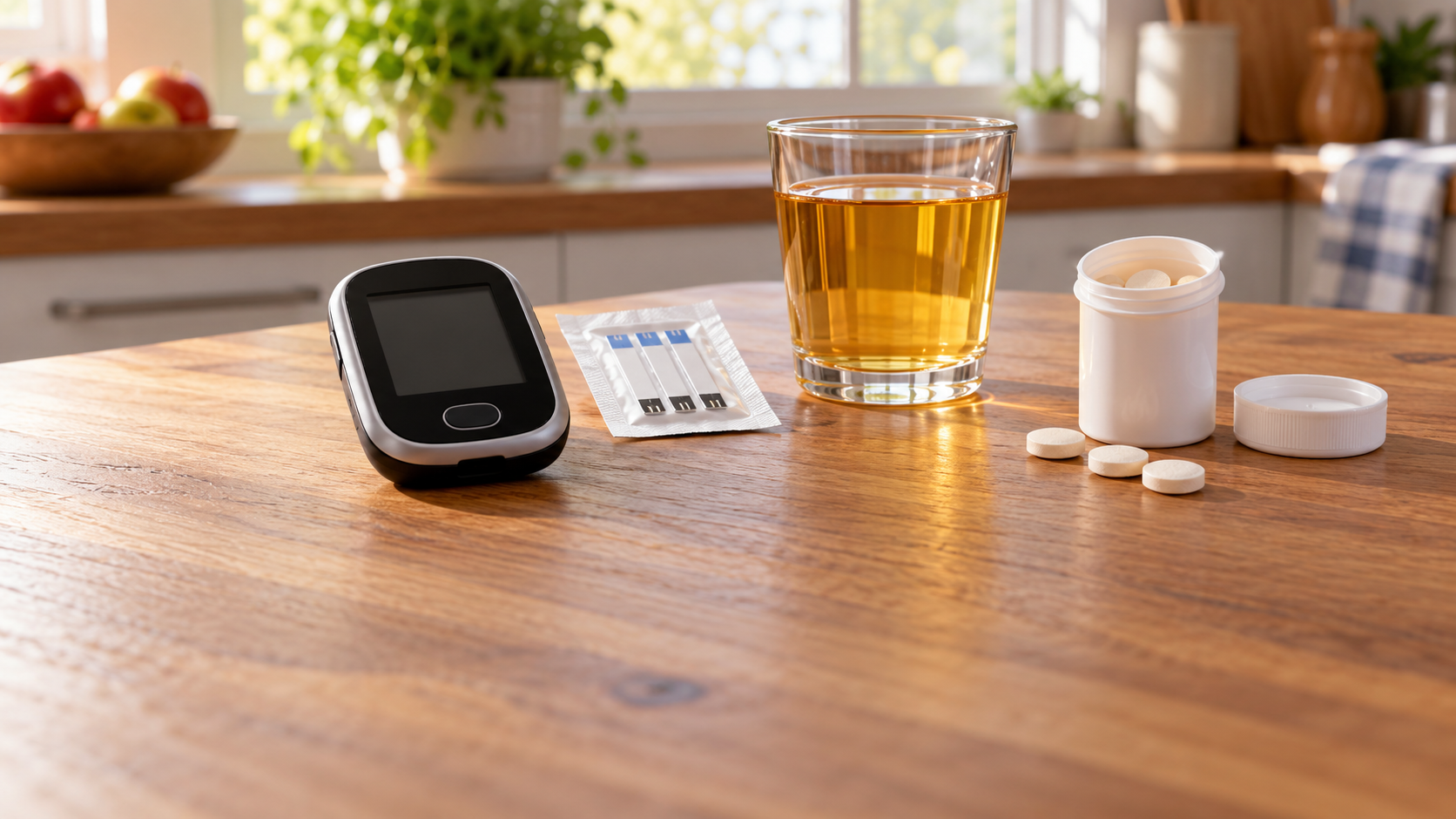
For an adult who is awake and able to swallow safely, a common approach is the 15-15 rule: take 15 grams of fast-acting carbohydrate, wait 15 minutes and check glucose again. Repeat if it remains low, following the care team’s instructions. Glucose tablets or a measured amount of juice are examples. Children may need a different amount. The treatment should fit the individual plan, and severe impairment requires emergency support instead of attempting repeated food or drink.
Fast-acting carbohydrate is intended to raise glucose promptly. Check product instructions to obtain the planned amount. Fatty foods such as chocolate and high-fibre foods can slow absorption, so they are not the first choice for treating a low. After glucose recovers, a snack or meal may help maintain it; follow advice about timing. Certain medicines require glucose specifically, making a written treatment plan especially useful.
Never give food or drink to someone who is unconscious or cannot swallow safely. Call emergency services and follow their instructions. If prescribed glucagon is available and someone knows how to use it, give it according to the product and emergency plan. Glucagon may be supplied as an injection or nasal treatment. Stay with the person; emergency assessment is still needed after a severe episode and glucagon treatment.
Repeated lows, episodes during sleep or difficulty recognising warning signs need discussion with the diabetes team. Review glucose records alongside medicine timing, meals, activity and illness to identify possible patterns. The team may adjust treatment or targets. Do not independently stop necessary medication because of fear of another episode. A workable plan should reduce risk while supporting overall diabetes management.
A continuous glucose monitor may help selected people recognise low levels through readings and alerts. Ask whether it is appropriate and what to do when an alert appears or a reading seems inconsistent with symptoms. Technology supports a response plan; it does not eliminate the need to know how to treat a low. People with impaired awareness may need additional monitoring and advice tailored to their circumstances.
Carry a suitable fast-acting carbohydrate and make sure it is available during travel, exercise and other activities. Changes in routine can alter glucose needs. Discuss how to plan for increased activity, delayed meals or fasting, including before medical procedures. Activity can affect levels afterwards as well as during exercise. Check and adjust according to the agreed plan, rather than guessing a medicine change from a general article.
Family, friends and carers should know the warning signs, where treatment is stored and how to obtain emergency help. If glucagon is prescribed, teach those likely to assist how to use that particular product and check its expiry date. Medical identification can help others understand the situation. A low is easier to manage when supplies, instructions and support are ready before confusion makes it difficult for the person to act.
Explore more "Explainers"
Discover additional explainers across politics, science, business, technology, and other fields. Each explainer breaks down a complex idea into clear, everyday language—helping you better understand how major concepts, systems, and debates shape the world around us.