

Smoke Alarm Explainer
A smoke alarm detects signs of combustion in the air and produces a loud local warning. It does not wait to measure visible flames. Inside the housing, air enters a sensing chamber through protected openings. A photoelectric alarm shines light into a chamber arranged so the beam normally misses a sensor; smoke particles scatter some light toward that sensor and change its signal. An ionization alarm uses a tiny radioactive source to create an electrical current between charged plates; airborne combustion particles disrupt the current. Electronic circuits evaluate the change and trigger the sounder when it reaches the alarm’s threshold.
The two sensing methods respond differently to different fire conditions. Photoelectric technology generally responds well to slow, smoldering fires that generate larger particles, while ionization technology can respond quickly to fast flaming fires with smaller particles. Real fires change as materials and ventilation change, so no household can predict one fire type. Codes and safety guidance may recommend photoelectric alarms, ionization alarms, or combination units depending on the jurisdiction. A listed multi-sensor alarm can combine technologies, but the label and instructions should confirm what the device actually detects.
Placement is essential because smoke has to reach the chamber. Alarms are generally installed inside bedrooms, outside sleeping areas, and on every level, following local code and manufacturer spacing. Ceiling locations are common, but walls may be permitted within specified distances. Corners and areas near fans, vents, or open windows can have dead air or strong currents that delay smoke entry. Cooking appliances and steamy bathrooms can cause nuisance alarms when a unit is placed too close. The correct response is better placement or an appropriate listed alarm—not removing the battery.
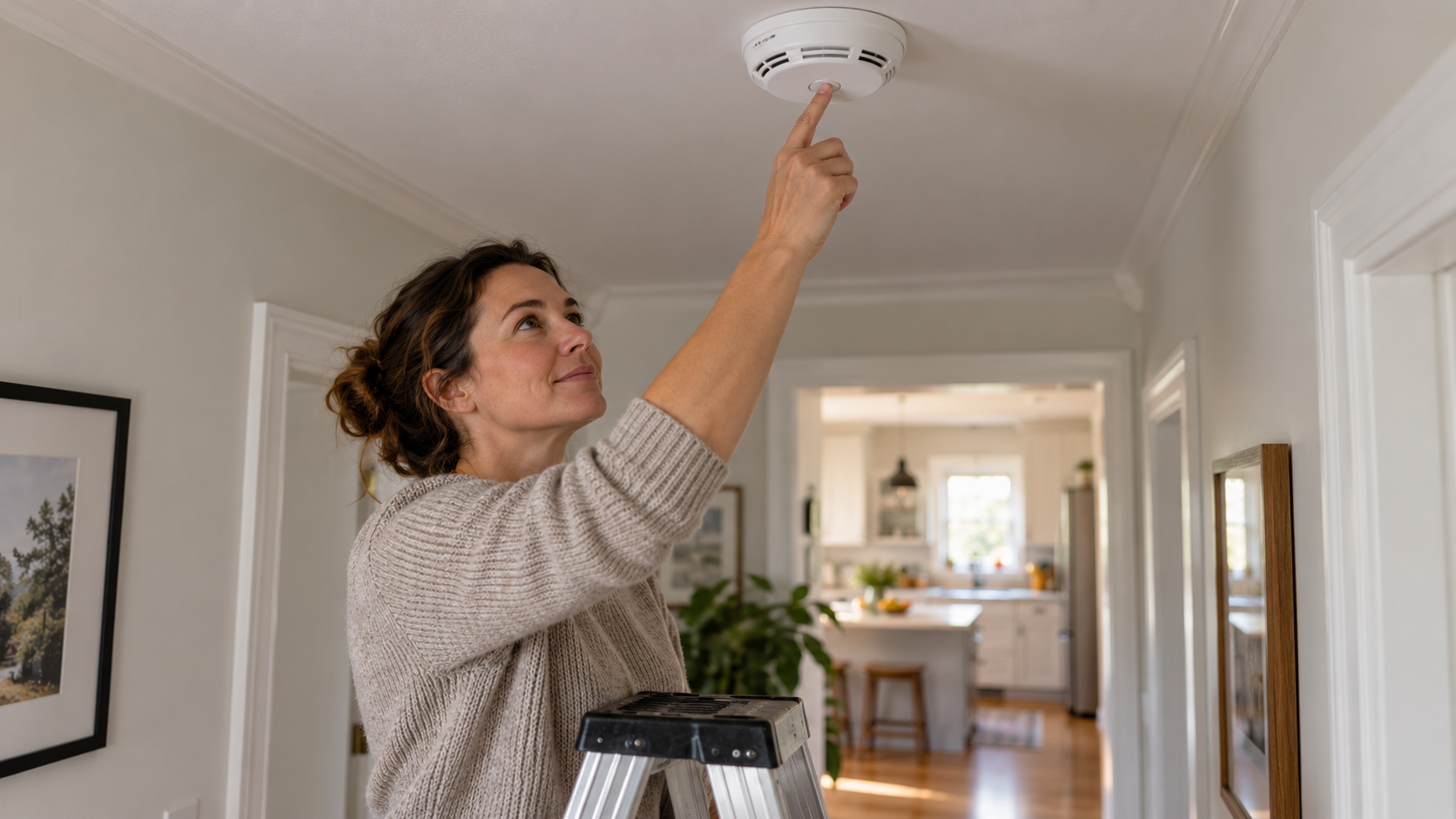
Power comes from replaceable batteries, sealed long-life batteries, building wiring with battery backup, or a combination. Interconnected alarms share a signal so when one senses danger, units throughout the home sound. That feature can give sleeping occupants warning from a remote basement, attic, or hallway. Testing the button checks much of the electronics, battery, interconnection, and sounder, although it is not identical to testing the sensing response with actual smoke. Smoke, flames, or improvised aerosols should not be used for household testing; follow the maker’s stated method.
Dust, insects, grease, paint, age, and moisture can affect sensing. Gentle cleaning as instructed, routine button tests, and prompt attention to chirps help keep the alarm functional. Batteries and whole units have replacement schedules; many smoke alarms are replaced about ten years after manufacture, but the marked date and manufacturer instructions control. A chirp can indicate low power, end of life, contamination, or a fault. Because models signal differently, guessing from the sound pattern is less reliable than checking the manual and date.
A smoke alarm is one layer of fire safety, not a fire extinguisher or a carbon-monoxide detector unless the device is specifically a combination model. It cannot warn people who cannot hear it unless compatible visual, tactile, or connected notification equipment is present. It also cannot compensate for a blocked exit or a missing escape plan. The practical system combines correctly located, listed, powered, tested, and interconnected alarms with closed bedroom doors when sleeping, two planned ways out where possible, and immediate evacuation when an alarm sounds unexpectedly.
A smoke alarm senses airborne combustion particles with photoelectric light scattering, ionization-current change, or multiple sensors. Key terms include sensing chamber, photoelectric, ionization, threshold, nuisance alarm, interconnection, battery backup, and end of life.
Interconnection makes alarms throughout the home sound when one unit detects smoke. That can provide earlier warning to people sleeping or located far from the first alarm.
No. It checks important power, circuitry, sounder, and interconnection functions, but no alarm detects every condition instantly. Correct placement, cleaning, age-based replacement, and an escape plan remain necessary.
Explore more "Explainers"
Discover additional explainers across politics, science, business, technology, and other fields. Each explainer breaks down a complex idea into clear, everyday language—helping you better understand how major concepts, systems, and debates shape the world around us.