

Parliamentary Privilege Explainer
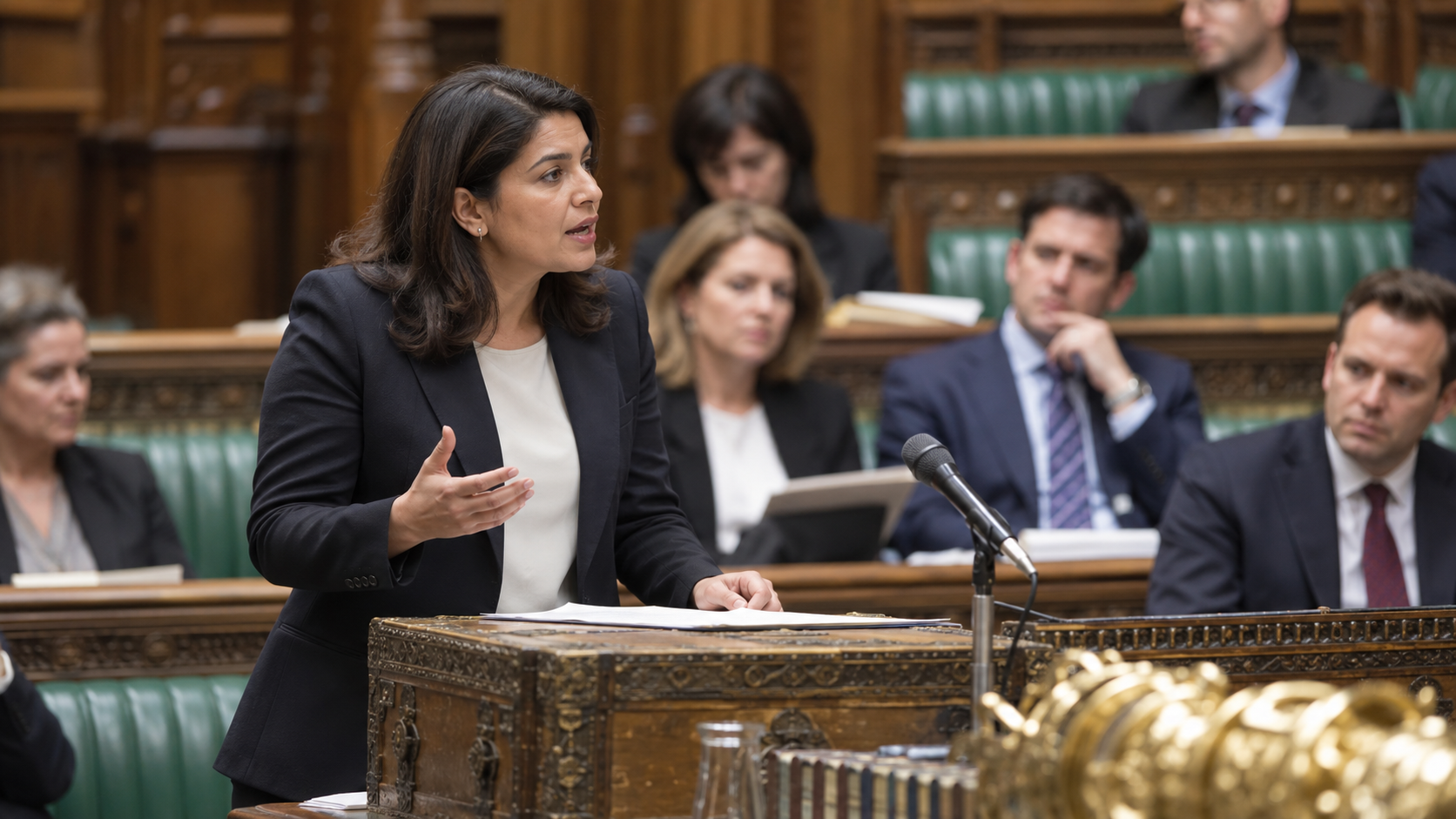
Parliamentary privilege protects the ability of a legislature to conduct its work independently. In the United Kingdom, one element is freedom of speech in parliamentary proceedings, which prevents those proceedings from being questioned in courts in the ordinary way. The protection helps members debate sensitive matters, examine government conduct, and receive evidence without the same external pressures that might otherwise inhibit legislative scrutiny. It belongs to Parliament's functioning, rather than being a general exemption from the law for anyone holding office.
The boundary around proceedings is crucial. Speeches in the chamber, committee evidence, and other recognized parliamentary activities can fall within the protection. A member's remarks at a party meeting, in a media interview, or on a personal social account do not acquire the same protection because the speaker is a parliamentarian. Repeating a statement outside Parliament can therefore raise different legal questions from making it within a protected proceeding. The context and function of the activity matter more than the speaker's title alone.
Imagine a committee questions a witness about possible problems in public administration. Privilege can protect the evidence given within that parliamentary setting and allow members to examine serious issues. That does not mean every allegation is established as true, nor does it authorize anyone to ignore the committee's own standards. Parliament retains mechanisms for controlling its proceedings and responding to misconduct. The protection is designed to support institutional scrutiny, while the reliability of a claim still depends on the evidence and the conclusions properly drawn from it.
Privilege is sometimes confused with diplomatic immunity or a broad immunity from criminal law. Those are different concepts. Parliamentary privilege does not create an license for members to commit offenses or make every action in their public lives immune from scrutiny. Its scope can involve boundaries, and the treatment of particular conduct depends on the applicable constitutional and legal rules. For readers, identify whether the disputed words or activity occurred in a recognized proceeding and what protection is actually being claimed. That prevents an institutional safeguard from being mistaken for a guarantee of factual accuracy or unlimited personal protection.
Privilege supports Parliament's independence and its ability to scrutinize government through protected proceedings.
Freedom of speech in proceedings is a central part of the UK framework.
The protection depends on parliamentary context; a member's title alone does not protect every statement.
Repeating remarks in an interview or online can raise different questions from speaking in the chamber.
Protected evidence is not automatically proven evidence, and Parliament can regulate its own proceedings.
Parliamentary privilege is not a general exemption from criminal law or a form of diplomatic immunity.
Explore more "Explainers"
Discover additional explainers across politics, science, business, technology, and other fields. Each explainer breaks down a complex idea into clear, everyday language—helping you better understand how major concepts, systems, and debates shape the world around us.