

Master Recordings Explainer
A master recording is the definitive recorded version of a performance used to manufacture or distribute copies. In contemporary work it may be a high-resolution digital file and its session archive; historically it could be a lacquer, tape, or other physical source. The word master also appears in phrases such as mastering engineer and remastered edition, but those uses should not obscure the legal distinction. The sound recording is a separate copyrighted work from the underlying musical composition of melody and lyrics.
Recording captures performances, production choices, editing, and engineering into a fixed sequence of sounds. A final mix combines the session's tracks, and mastering prepares that mix for release by controlling level, tone, spacing, metadata, and format requirements. The owner of the sound-recording copyright can authorize reproduction, distribution, synchronization, and certain digital performances, subject to law and contracts. Songwriters or publishers separately license the musical work, so one use can require clearance from more than one rights holder.
Who owns the master depends on agreements and circumstances, not on a universal rule that the singer, producer, studio, or label always owns it. A label may finance a session and own the result, or an artist may create and retain a master while granting a time-limited exclusive license. Work-made-for-hire clauses, producer agreements, group relationships, and contributions also matter. Public shorthand about owning one's masters compresses these details; the actual bundle includes ownership, control, income participation, approvals, and reversion terms.
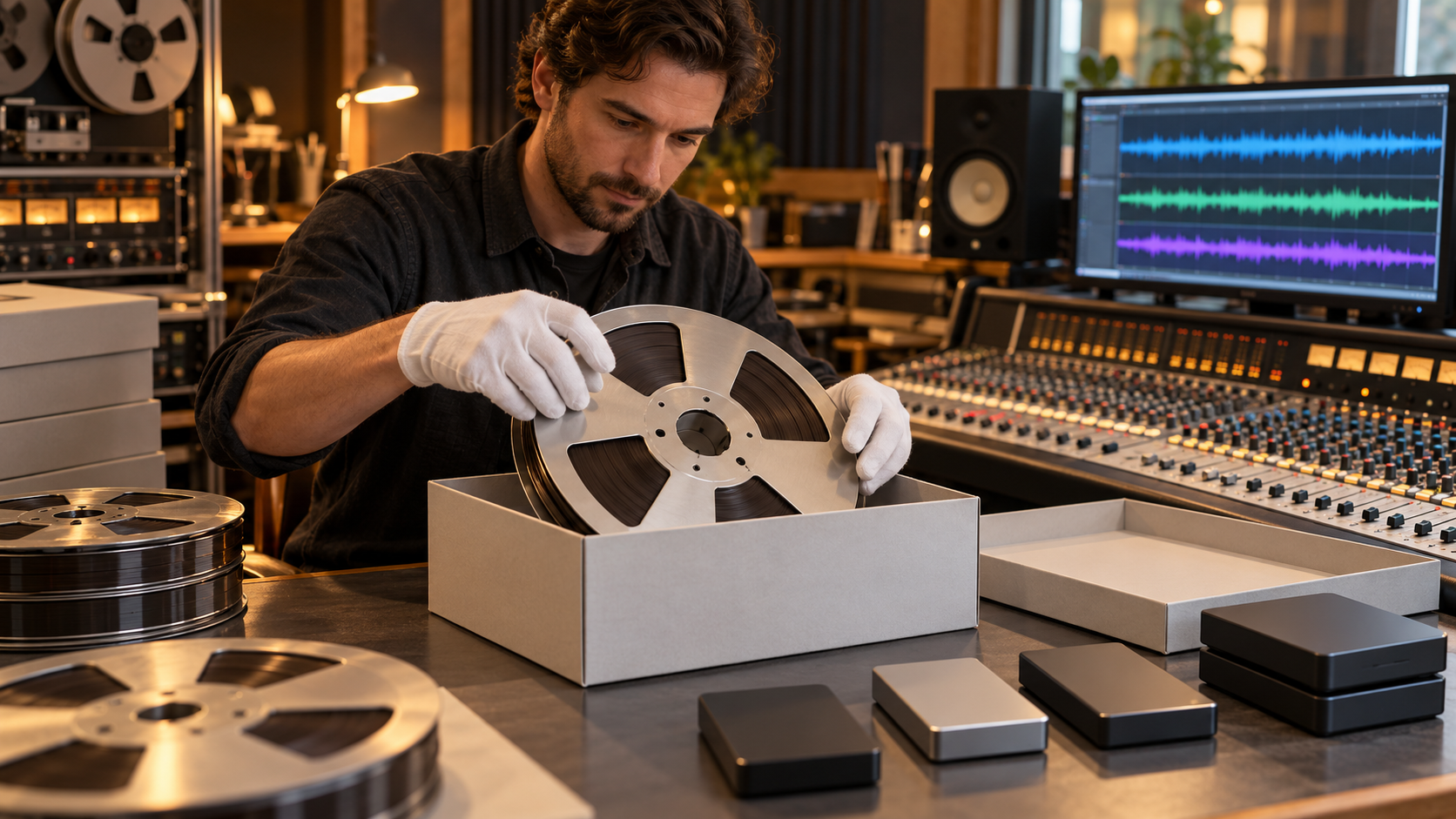
A remix, alternate take, live recording, rerecording, and remaster are not interchangeable. A remix changes the balance or treatment of recorded elements, while a remaster processes a finished mix for a new release without recreating the performance. A rerecording captures a new performance and creates a new sound recording, even when the composition is the same. Contracts may restrict when an artist can rerecord. Listeners can hear similar songs while the applicable recording rights belong to entirely different parties. Preservation protects both culture and commerce. Analog tape can shed, stretch, print through, or become difficult to play; digital files can be lost through media failure, obsolete formats, or missing documentation. Archives keep high-quality sources, session information, checksums, backups, and migration plans. A streaming copy is not an adequate preservation master because it may be compressed and separated from production metadata. The master is therefore both a legal asset and a technical object whose continued value depends on careful custody. A practical way to read or discuss Master Recordings is to separate the basic definition from the choices made in a particular example. The musical composition is the song's music and lyrics; the master is the particular recorded performance and production of that song. Then identify who sets the relevant rules, which parts are creative decisions, and which parts follow from law, contracts, technology, or production limits. Examples that look similar on the surface can operate differently because their purpose, audience, timing, and surrounding agreements are different. Licensing a finished track can require permission for both the sound recording and the separate musical composition embodied in it. It is also useful to check whether a source is describing a formal industry category, an informal critical label, or one organization's current practice. Those distinctions prevent a memorable anecdote from becoming a false universal rule. The date and market matter too: tools, distribution systems, and standard agreements change, while older examples can preserve assumptions that no longer apply everywhere. When a claim sounds absolute, compare it with a second type of source and look for the conditions under which it is actually true. Finally, compare the visible result with the less visible work that produced it. Preservation requires high-quality source files or media, reliable metadata, verified backups, and planned migration rather than dependence on consumer streams. That approach keeps the explanation grounded while leaving room for reasonable disagreement about borderline cases.
The musical composition is the song's music and lyrics; the master is the particular recorded performance and production of that song.
Mixing combines recorded elements, while mastering prepares the approved mix for consistent release across formats and distribution systems.
Ownership may belong to an artist, label, production company, or another party according to contracts and the facts of creation.
Licensing a finished track can require permission for both the sound recording and the separate musical composition embodied in it.
A remaster processes an existing mix, a remix rebuilds its balance or treatment, and a rerecording creates a new sound recording.
Preservation requires high-quality source files or media, reliable metadata, verified backups, and planned migration rather than dependence on consumer streams.
Explore more "Explainers"
Discover additional explainers across politics, science, business, technology, and other fields. Each explainer breaks down a complex idea into clear, everyday language—helping you better understand how major concepts, systems, and debates shape the world around us.