

Film Aspect Ratios Explainer
An aspect ratio describes the proportional relationship between an image's width and height. A ratio of 1.85:1 means the image is 1.85 units wide for every unit high; 16:9 is the same idea expressed with whole numbers and is about 1.78:1. The ratio does not by itself specify resolution, image quality, lens type, or screen size. A small file and a large theater image can share the same ratio while differing greatly in detail and presentation.
Filmmakers choose or inherit a ratio based on format, exhibition standards, story, equipment, and distribution needs. A wider frame can place characters beside one another or emphasize landscape, while a taller frame can preserve vertical space around faces and bodies. Those are possibilities, not automatic meanings. Production design, blocking, focal length, camera distance, and cutting still determine how the space reads. Some works change ratios deliberately to distinguish periods, media, or states of mind.
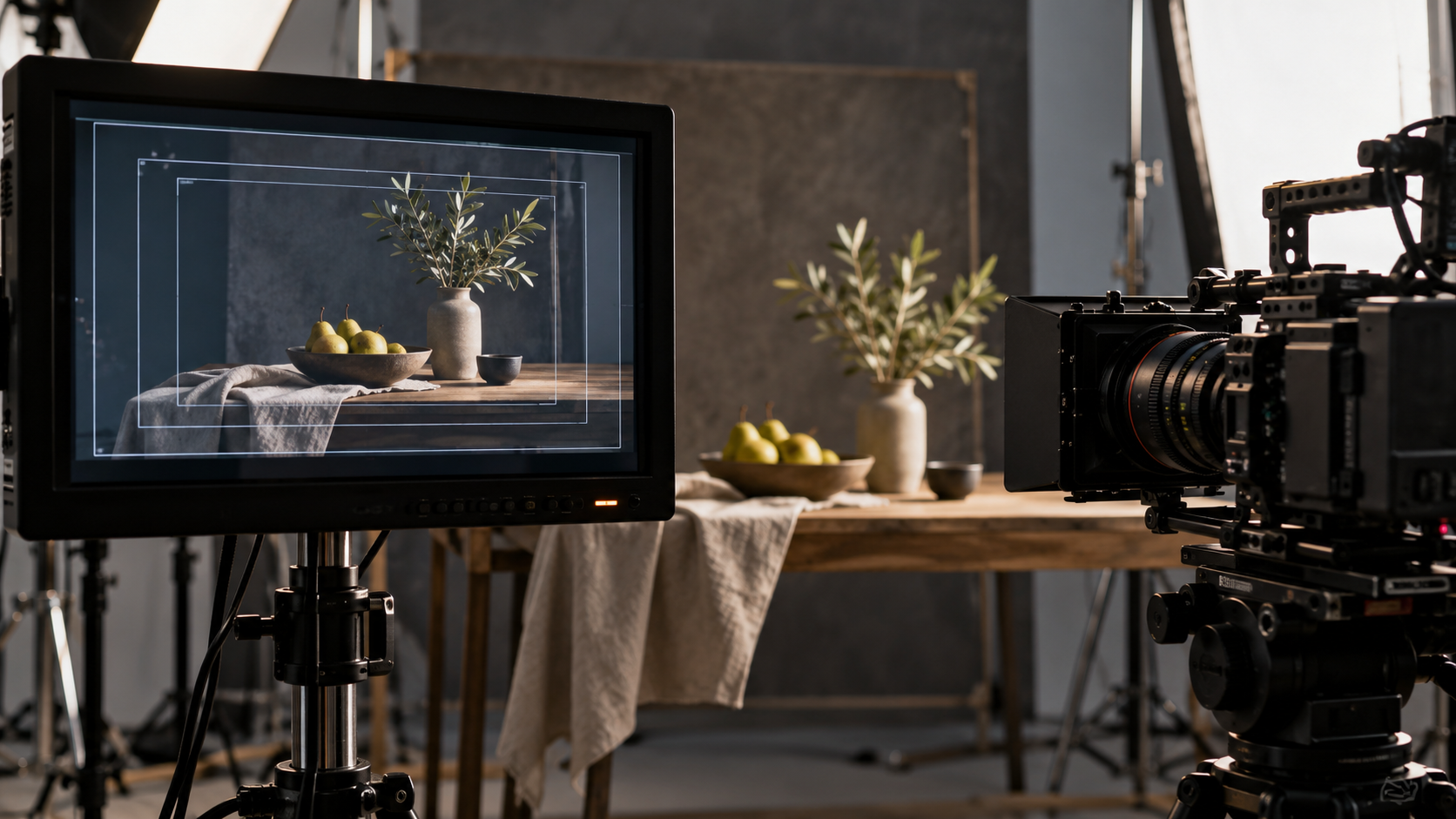
The captured image and the intended presentation frame are not always identical. Film gates, sensors, anamorphic lenses, mattes, and digital extraction can create different workflows. A camera may record extra picture area for reframing while guides show the final composition. The protected area matters because boom microphones, set edges, or crew may exist outside the intended frame. Preserving metadata and the authorized ratio helps archives and distributors avoid showing material that was never meant to be visible.
When content and display have different shapes, the image can be letterboxed with bars above and below, pillarboxed with bars at the sides, cropped, stretched, or reformatted. Bars preserve the whole intended frame, while cropping removes picture information. Pan-and-scan historically followed important action within a wide frame for narrower screens. Stretching changes geometry and is rarely faithful. A version created by the filmmakers can differ from an automatic television or app adjustment. Aspect ratio is therefore both a technical specification and a compositional boundary. It matters to production, post-production, distribution, preservation, and home viewing. Viewers should be cautious about assuming every black bar signals an error or every full screen uses all available image. A better question is whether the presentation preserves the version intended for that release. Comparing authorized formats can also reveal how framing decisions redistribute attention without changing the underlying performance. A practical way to read or discuss Film Aspect Ratios is to begin with the basic definition and then identify the choices made in a particular example. Aspect ratio is width divided by height; it describes shape, not resolution, physical size, sharpness, or production value. Next, ask who sets the relevant rules, who performs the work, and which results follow from creative judgment, law, contracts, technology, budget, or production limits. Similar-looking examples can operate differently because their audience, market, format, timing, and agreements are different. Letterboxing and pillarboxing keep the whole image when the screen shape differs; cropping fills the screen by discarding picture area. It also helps to distinguish a formal industry category from an informal critical label or one organization's current practice. That separation keeps a memorable anecdote from becoming a false universal rule. Dates and territories matter: tools, distribution systems, audience behavior, and standard agreements change, while older examples can preserve assumptions that no longer apply everywhere. When a claim sounds absolute, compare it with a second kind of source and look for the conditions under which the claim is true. Then trace the process from the visible result back through the less visible decisions, handoffs, and quality checks that produced it. Black bars can be evidence of correct presentation, so the useful comparison is with an authorized release rather than the display's edges. Finally, compare the example with a contrasting case and note which part of the definition still holds. This method keeps the explanation grounded, highlights the people and systems behind the outcome, and leaves room for reasonable disagreement about hybrid or borderline cases.
Aspect ratio is width divided by height; it describes shape, not resolution, physical size, sharpness, or production value.
Common cinema and television ratios arose from different technologies and standards, but filmmakers also use them as compositional choices.
Capture area may be larger than the protected presentation frame, so guides and metadata help crews and distributors preserve intent.
Letterboxing and pillarboxing keep the whole image when the screen shape differs; cropping fills the screen by discarding picture area.
Anamorphic photography and digital extraction are workflows that can produce wide images, not alternate names for one universal ratio.
Black bars can be evidence of correct presentation, so the useful comparison is with an authorized release rather than the display's edges.
Explore more "Explainers"
Discover additional explainers across politics, science, business, technology, and other fields. Each explainer breaks down a complex idea into clear, everyday language—helping you better understand how major concepts, systems, and debates shape the world around us.