

How Hockey Goaltender Interference Works Explainer
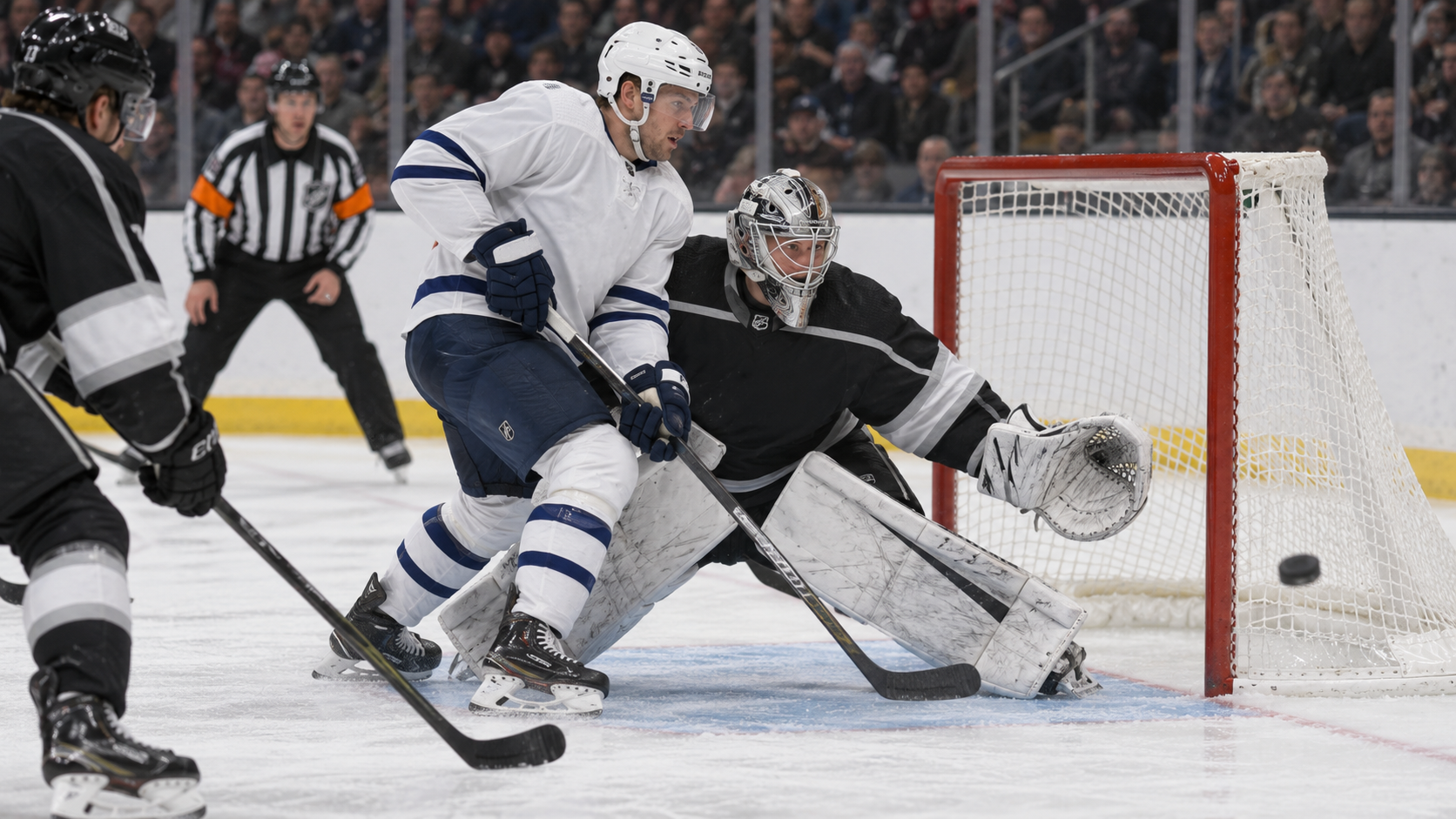
Goaltender interference occurs when an attacking player uses contact or positioning that prevents the goalkeeper from freely defending the goal. A goal can be disallowed even when the puck enters legally if the attacker's action materially impaired the save attempt.
The blue crease is important but not an automatic force field. Incidental contact inside the crease receives stricter scrutiny, while a goalie outside it may still be protected from deliberate or avoidable interference. Attackers are allowed to screen vision if they do not illegally contact the goalie.
Officials also decide who caused the collision. If a defender pushes or steers an attacker into the goaltender and the attacker tries to avoid contact, a goal may stand. If the attacker establishes a position that leaves no chance to reset, the play may be ruled interference.
Coaches may challenge many scoring plays for goaltender interference. Video review examines the timing and extent of contact, the goalie's ability to move, and the puck's arrival. The decision remains judgment-based, so similar-looking plays can differ because the contact developed differently.
No. Officials judge whether the attacker caused contact that materially affected the goalkeeper's ability to defend.
Yes. Blocking the goalie's view is allowed if the attacker does not commit illegal contact or positioning.
A goal may stand when the defending player pushed the attacker into the goaltender and the attacker tried to avoid contact.
Explore more "Explainers"
Discover additional explainers across politics, science, business, technology, and other fields. Each explainer breaks down a complex idea into clear, everyday language—helping you better understand how major concepts, systems, and debates shape the world around us.