

How Baseball Pitcher Disengagement Limits Work Explainer
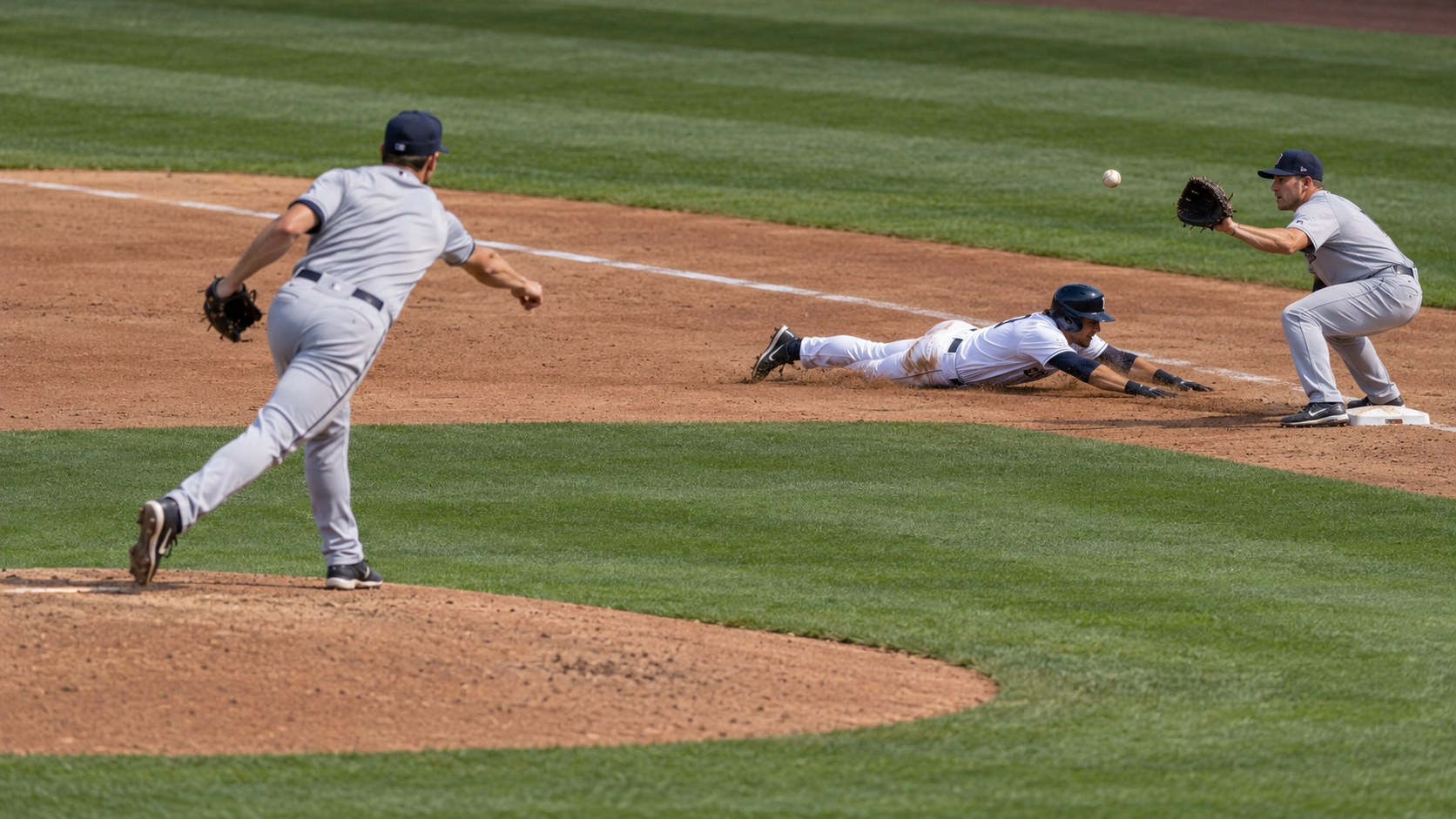
With runners on base, an MLB pitcher is generally allowed two disengagements from the pitching plate during a single plate appearance. A disengagement includes a pickoff attempt or simply stepping off. The limit works alongside the pitch timer to discourage repeated resets that slow the game and freeze baserunners.
A pitcher may disengage a third time, but that attempt must retire a runner or otherwise produce an approved outcome. If the runner safely returns and no out is recorded, the pitcher is charged with a balk and the runners advance under the balk rule.
The count resets when a runner advances during the plate appearance, whether through a steal, balk, wild pitch, passed ball, or another qualifying play. It also ends with the plate appearance. Mound visits and timeouts do not automatically erase the disengagement count.
Pitchers therefore balance holding a runner against saving an attempt for later in the count. Runners can take more aggressive leads after two disengagements, knowing a third try carries risk. The rule does not eliminate pickoffs; it makes each step-off a limited tactical resource.
Two without condition during a plate appearance with runners on base.
Yes, but an unsuccessful third disengagement normally results in a balk.
When a runner advances and at the end of the plate appearance.
Explore more "Explainers"
Discover additional explainers across politics, science, business, technology, and other fields. Each explainer breaks down a complex idea into clear, everyday language—helping you better understand how major concepts, systems, and debates shape the world around us.