

How NFL Illegal Motion and Illegal Shifts Differ Explainer
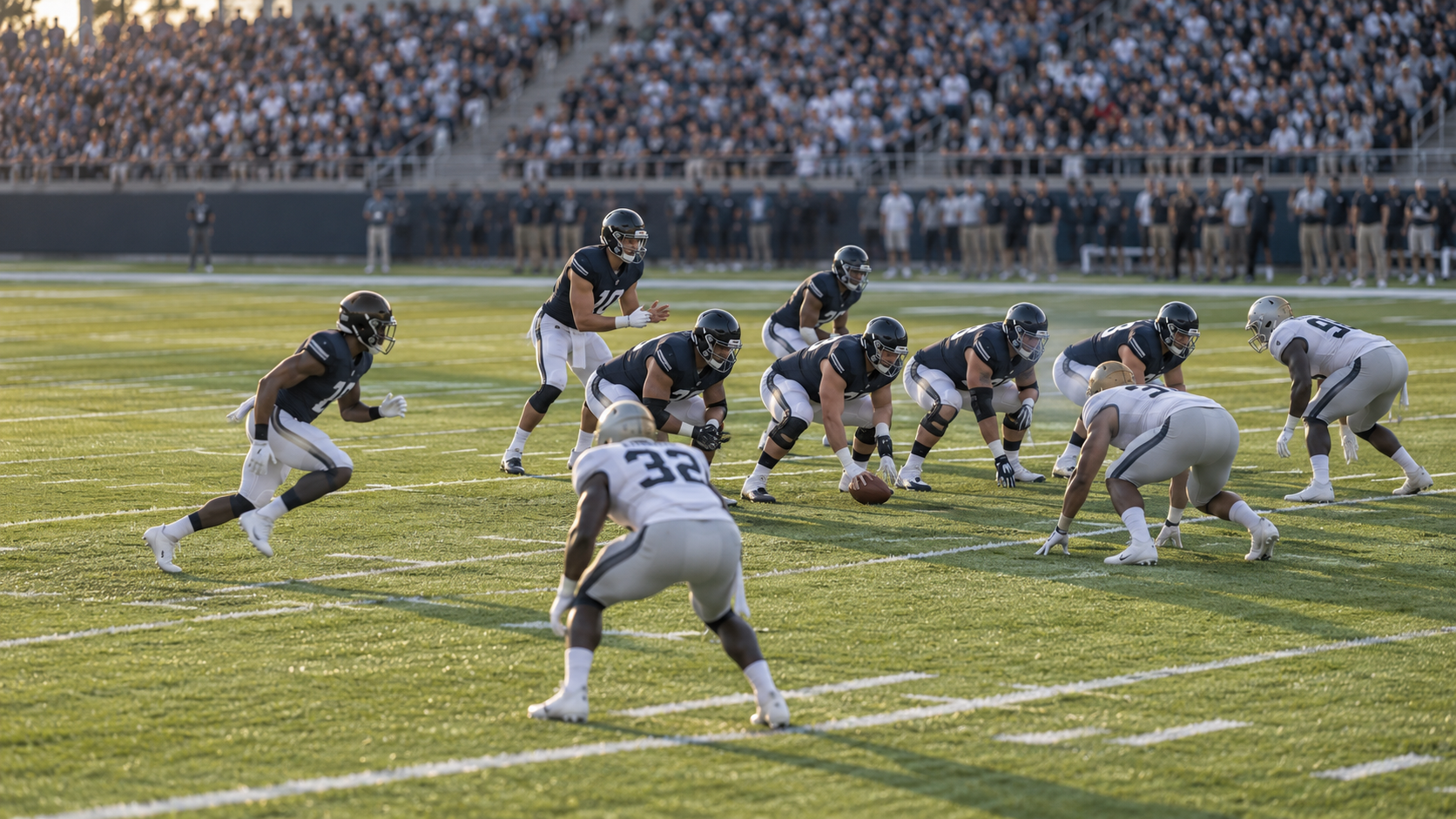
NFL motion and shifts both involve offensive players moving before the snap, but they follow different timing rules. A shift occurs when two or more players change position together. After that movement, the entire offense must become set simultaneously for at least one full second before the ball is snapped.
Motion is the movement of one eligible player after the offense has set. At the snap, only that one player may be moving, and the player generally must move parallel to or away from the line of scrimmage rather than forward toward it. Other formation requirements still apply.
Illegal motion usually describes a moving player's prohibited direction or action at the snap. An illegal shift occurs when multiple players are moving at the snap, or when the offense fails to complete the required one-second set after a coordinated change. Both normally carry a five-yard penalty.
The distinction matters because modern offenses use motion to reveal coverage and alter leverage. A legal sequence can include a group shift, a full one-second pause, and then one player's motion. If the pause is missing or a second player never settles, the same creative formation becomes a pre-snap foul.
Yes, if the motion is legal and the rest of the offense is properly set.
Multiple players remain in motion at the snap or the offense fails to set for one full second after shifting.
Generally no. Forward motion at the snap is illegal in the NFL.
Explore more "Explainers"
Discover additional explainers across politics, science, business, technology, and other fields. Each explainer breaks down a complex idea into clear, everyday language—helping you better understand how major concepts, systems, and debates shape the world around us.