

How Baseball's Detached-Equipment Rule Works Explainer
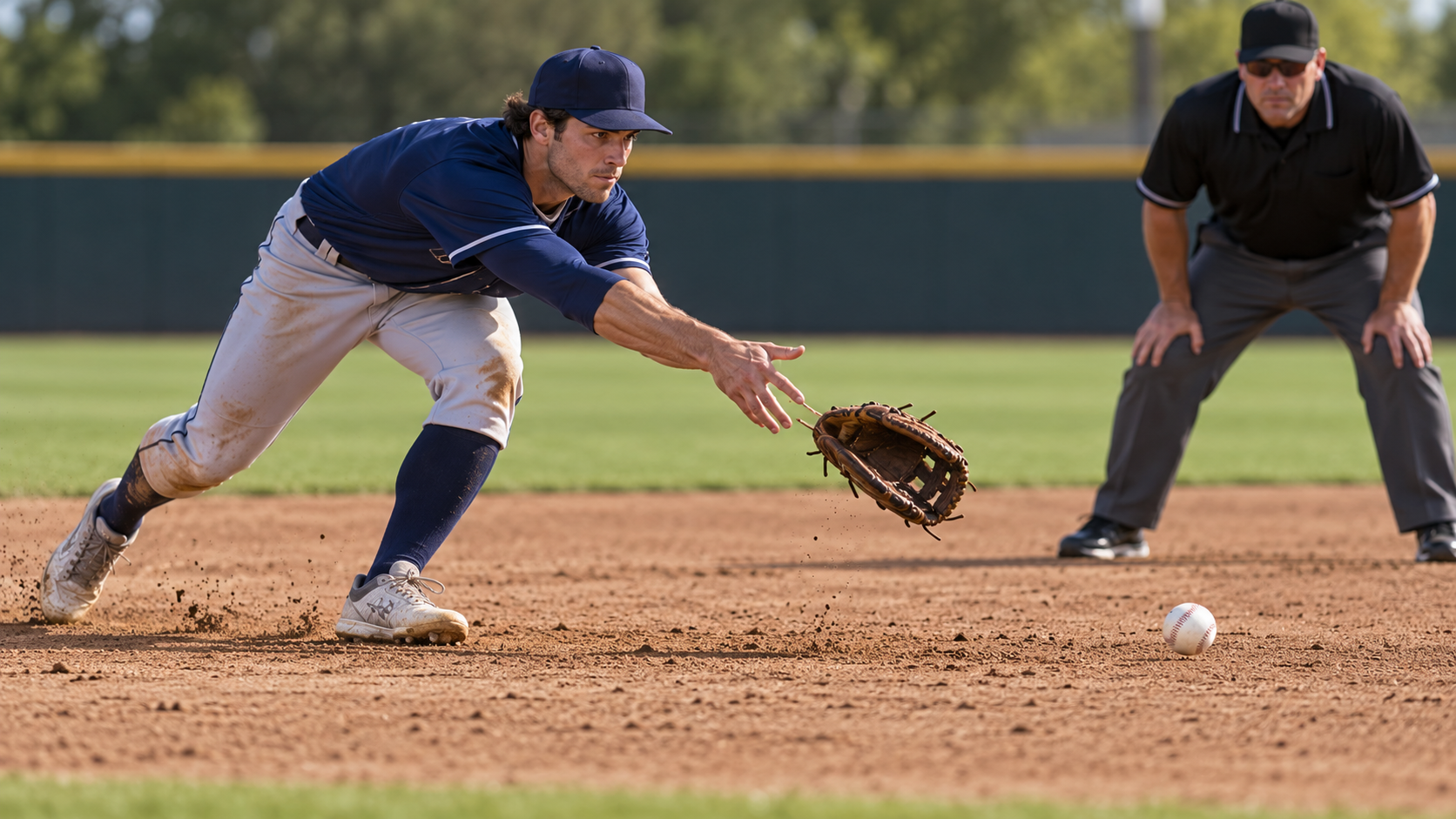
Baseball's detached-equipment rule applies when a fielder deliberately uses a cap, mask, glove, or another part of the uniform after removing it from its proper place to touch a live ball. The unusual action is illegal because it artificially extends the fielder's reach beyond normal equipment use.
The award depends on the kind of ball. Deliberately touching a fair batted ball with detached equipment generally gives every runner, including the batter-runner, three bases. Touching a thrown ball that way produces a two-base award, while touching a pitched ball can produce a one-base award.
Actual contact matters. Throwing a glove at the ball but missing it does not trigger the automatic award, although other conduct rules could still apply. The ball normally remains live, so runners may advance farther at their own risk and keep any greater progress they make.
Umpires judge both intent and whether the detached item touched the ball. A glove accidentally knocked off during a tag attempt is different from a fielder purposefully tossing it. The rule preserves ordinary athletic limits while preventing an improvised piece of equipment from changing the play.
No. The detached equipment must deliberately touch the live ball for the specified award to apply.
The usual award is three bases to every runner, including the batter-runner.
No. It generally remains live, and runners may try to advance beyond the automatic award at their own risk.
Explore more "Explainers"
Discover additional explainers across politics, science, business, technology, and other fields. Each explainer breaks down a complex idea into clear, everyday language—helping you better understand how major concepts, systems, and debates shape the world around us.