

Automation Explainer
Automation has become one of the defining forces of modern work, quietly reshaping everything from factory floors to phone apps. At its core, automation means using machines, software, or systems to perform tasks with minimal human intervention. That can be as simple as a thermostat turning on your heat or as complex as robots building cars or software that runs an entire billing department. Early industrial automation focused on repetitive, physical tasks in manufacturing, where machines could assemble, weld, or package goods more quickly and consistently than people. Over time, sensors, conveyor systems, and programmable logic controllers made production lines faster, safer, and more reliable, setting the stage for today’s highly automated operations.
Now, automation reaches deep into services and knowledge work as well. Software “bots” handle invoice processing, chatbots answer basic customer questions, and scripts move data between systems without anyone manually copying and pasting. In many organizations, these routines are stitched together into workflows that quietly run in the background, triggered by events such as a new order or a support ticket. A newer wave of automation uses artificial intelligence and machine learning to make systems more flexible and context-aware. Instead of following a rigid, predefined script, AI-driven tools can classify emails, recognize images, summarize documents, or predict when equipment is likely to fail, adapting their behavior as they encounter more data.
For individuals, automation also appears in everyday life. Smart home systems turn lights on at sunset, lock doors at night, and adjust thermostats based on occupancy. On phones and laptops, routine backups, automatic updates, and spam filters run without users ever thinking about them. Even transportation is being reshaped by driver-assistance features that automatically maintain speed, braking, or lane position. In offices, automation shows up as scheduling assistants, code-completion tools, and low-code platforms that let non-technical staff design their own workflows by arranging drag-and-drop building blocks, extending automation beyond traditional IT teams.
The impact of automation is widely debated. On one hand, it can reduce errors, cut costs, and free people from repetitive work so they can focus on creative, interpersonal, or strategic tasks. On the other, it raises concerns about job displacement, skill gaps, privacy, and fairness if the benefits are unevenly distributed. Many organizations now talk about “human-in-the-loop” automation, where people still oversee, correct, and improve automated systems rather than being removed entirely. As automation continues to advance, digital literacy, process thinking, and the ability to work alongside automated tools are becoming core skills for workers and teams in almost every field.
Automation refers to the use of machines, software, and systems to perform tasks with minimal human intervention. Early forms emerged during the Industrial Revolution, when mechanical power replaced manual labor in manufacturing. By the mid-20th century, programmable controllers and robotics transformed production lines, enabling repetitive tasks to be executed faster and more consistently.
As computing advanced, automation expanded beyond physical labor to include digital workflows and decision-making. Today, automation technologies — from home assistants to enterprise data systems — are built into daily life, streamlining processes that once required constant human attention.
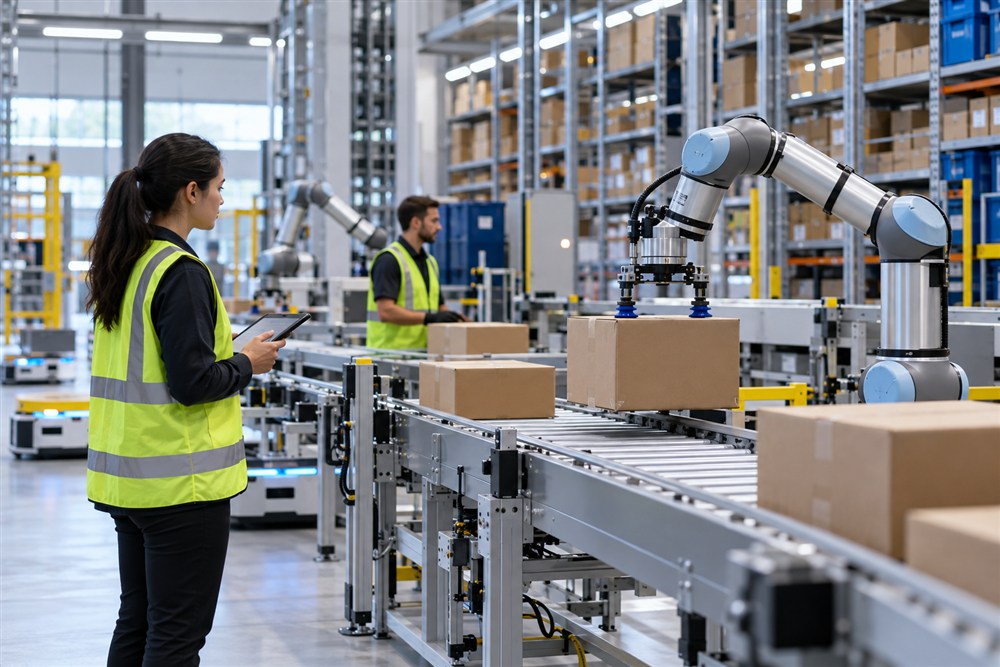
In workplaces, automation operates through software scripts, workflow engines, and industrial robots that follow precise instructions. Manufacturing plants rely on robotic arms and conveyor systems to assemble products. Offices deploy automation through task schedulers, invoice-processing bots, and chatbots that respond to common customer questions.
Increasingly, automation incorporates artificial intelligence and machine learning, enabling systems to handle more complex actions like classifying data, predicting outcomes, or adjusting behavior based on new information — all while improving over time through real-world feedback.
While automation improves efficiency and reduces human error, it also raises concerns about job displacement and widening skill gaps. Some worry that tasks once done by people could be permanently replaced, shifting entire industries toward smaller workforces with more specialized roles.
Supporters argue that automation frees individuals from repetitive tasks and creates opportunities for more strategic and creative work. The evolving balance between human oversight and automated systems remains a central focus for businesses, policymakers, and workers as automation becomes increasingly integrated into everyday operations.
Explore more "Explainers"
Discover additional explainers across politics, science, business, technology, and other fields. Each explainer breaks down a complex idea into clear, everyday language—helping you better understand how major concepts, systems, and debates shape the world around us.