

HDR Tone Mapping Explainer
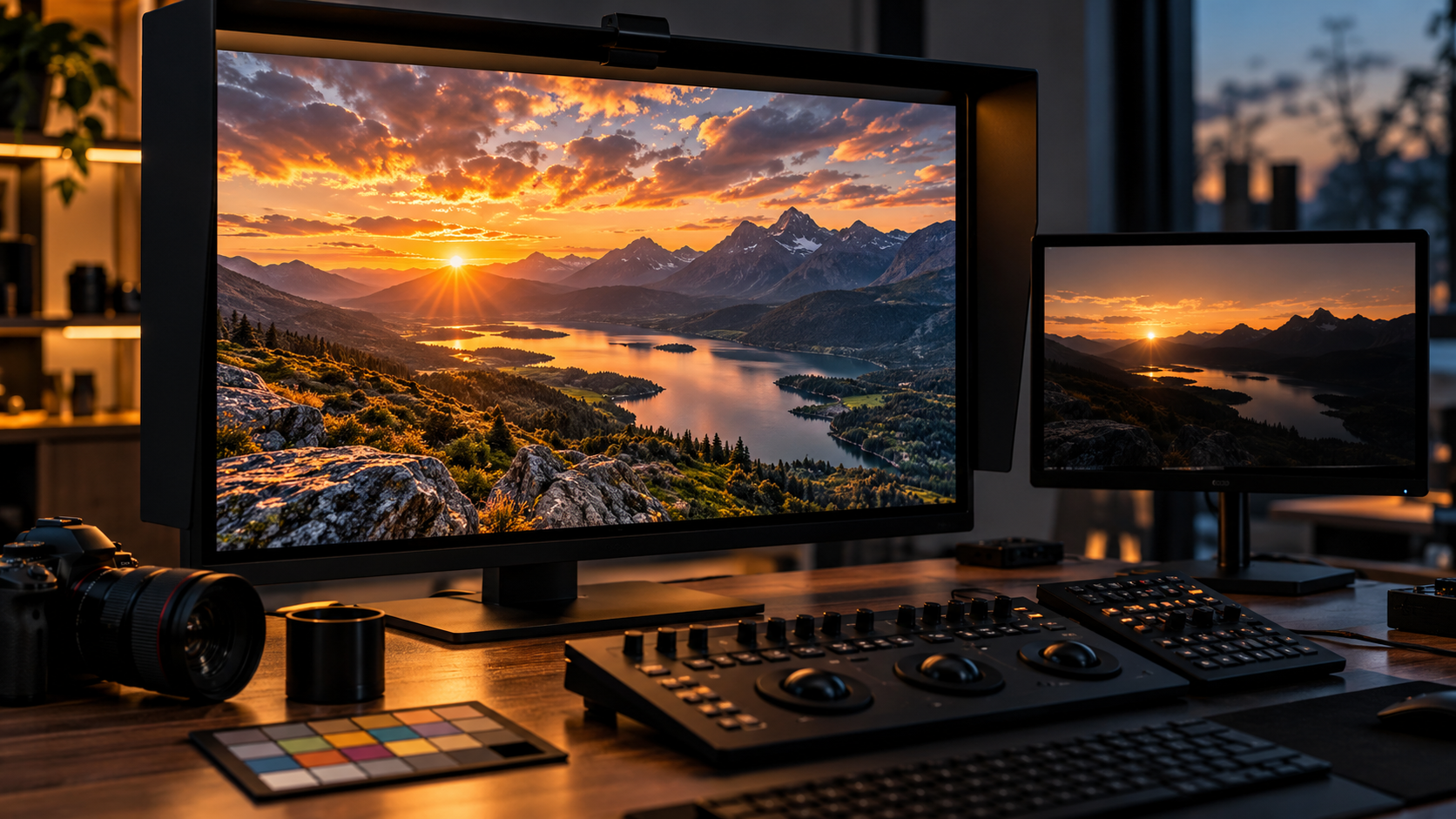
High-dynamic-range content can describe a wider span from dark shadows to intense highlights than many displays can reproduce. HDR tone mapping is the process that fits those values into the actual brightness and color capability of a screen. It is not a simple multiplication of every pixel. If all values were reduced equally, midtones could become dull; if highlights were simply clipped, clouds, reflections, and lamps would lose detail. A tone-mapping curve redistributes brightness so important relationships remain visible even when the target display has a smaller range than the master.
The process starts with a transfer function and metadata that describe how digital code values relate to light. Some HDR formats use absolute brightness targets, while others represent values relative to a scene or include dynamic guidance. Static metadata may summarize an entire program’s mastering display and maximum levels. Dynamic metadata can provide instructions for each scene or frame. Displays still apply their own processing because two models with the same nominal peak brightness may differ in black level, color volume, power limits, and local-dimming behavior.
A common mapping leaves much of the lower and middle range close to the creative intent, then gradually compresses the brightest values through a shoulder or roll-off. The knee point and curve shape determine whether specular highlights remain distinct or blend together. Shadow mapping may lift near-black detail on a display that cannot reproduce deep blacks, but too much lift makes the picture washed out. Good processing avoids abrupt boundaries that cause banding and respects the adaptation of viewers in bright or dark rooms.
Color must be managed with brightness. A saturated highlight can lie outside the display’s achievable color volume even if its chromaticity is inside the nominal color gamut. As luminance is compressed, the algorithm may reduce saturation, change hue slightly, or map toward a reproducible boundary. Independent clipping of red, green, and blue channels can distort colors, so advanced methods operate in spaces designed to separate brightness from chromatic information. The goal is a plausible appearance, not a mathematically identical light output.
Tone mapping can be global or local. A global curve applies the same rule to every pixel based on the frame or program. Local methods consider surrounding regions, preserving detail in a bright window while keeping a dark room readable. Local processing can create halos, unstable brightness, or a flattened look if pushed too far. Displays with local-dimming backlights add another layer: the video mapping must coordinate with zone brightness and the LCD’s transmission limits. An OLED instead balances per-pixel light against power and thermal constraints.
Creators also tone-map when converting HDR to standard dynamic range, and inverse tone mapping can expand older material for HDR presentation. Neither conversion can recreate information that was clipped or never captured. Different televisions may produce different results from the same master because manufacturers prioritize brightness, accuracy, contrast, or room visibility differently. User modes, ambient-light sensors, and game settings can alter the curve again. Calibration therefore includes both absolute measurements and judgments about stable, intentional appearance.
HDR tone mapping is best understood as constrained translation. The source describes a brightness and color space; the display declares or estimates what it can emit; an algorithm compresses, rolls off, and sometimes locally adjusts the image to fit. Successful mapping preserves the order and meaning of tones—what should look like a highlight remains a highlight—without sacrificing the entire picture to a few extreme pixels. It cannot give a dim screen the light output of a mastering monitor, but it can use the available range intelligently.
HDR tone mapping converts a wide range of image brightness into values a particular display can show. It aims to preserve useful detail in highlights and shadows while respecting the screen’s limits.
Movies, games, and photos may contain brighter highlights than a television or phone can reproduce. Tone mapping reshapes those values so important parts of the image remain visible instead of clipping to flat white or black.
Each display has its own brightness, contrast, color, and processing choices. Static or dynamic metadata and the device’s own algorithm can produce different results from the same source material.
Explore more "Explainers"
Discover additional explainers across politics, science, business, technology, and other fields. Each explainer breaks down a complex idea into clear, everyday language—helping you better understand how major concepts, systems, and debates shape the world around us.