

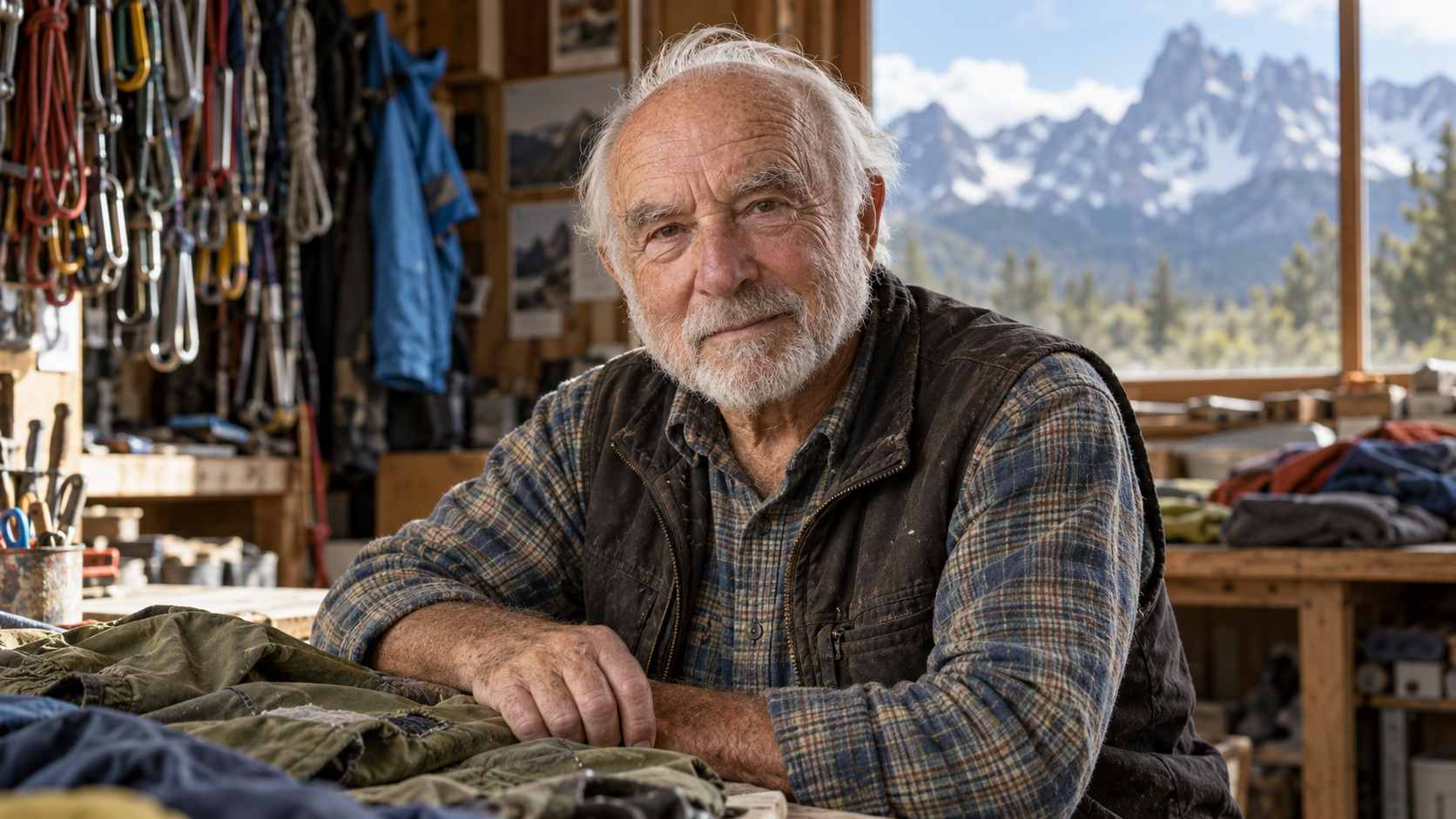
“Earth is now our only shareholder.”
Yvon Chouinard announced this phrase in September 2022 when Patagonia transferred ownership to a trust and a nonprofit organization designed to protect the company’s purpose and direct non-reinvested profits toward fighting the environmental crisis. The Patagonia Purpose Trust received voting control, while the Holdfast Collective received the economic interest. Chouinard presented the arrangement as an alternative to selling the business or taking it public—paths he believed could weaken the company’s environmental commitments over time.
The word “shareholder” is intentionally provocative. Earth cannot vote, sign a proxy, or receive a dividend, so people and institutions must interpret its interests. The structure attempts to make those interpretations harder for future owners to discard. It connects purpose to governance and the destination of profits rather than leaving it in a founder’s letter. That is an important distinction: values become more durable when they are supported by ownership rights, decision rules, capital commitments, and succession plans.
The slogan does not resolve every tension. Patagonia still manufactures and sells physical goods, with impacts from materials, transport, consumption, and supply chains. The trust’s governance and the nonprofit’s allocations deserve continued transparency. Nor can one unusual ownership model fit every company, especially businesses with outside investors, pension beneficiaries, or limited profitability. Treating Earth as a stakeholder also requires specific measures; a noble phrase cannot substitute for reductions in emissions, waste, and ecological harm.
For other leaders, the transferable lesson is not necessarily to copy Patagonia’s legal arrangement. It is to ask whether a company’s declared purpose can survive a founder, an acquisition offer, or a difficult quarter. Benefit-corporation provisions, voting structures, covenants, long-term incentives, and public targets can align control with mission in different ways. Chouinard’s sentence turns environmental concern into a question of institutional design. If the planet is truly represented, its interests should shape who holds power, where residual value goes, and which evidence determines whether the commitment is working. Annual disclosures can connect environmental outcomes to production volume and money flows, making both progress and rebound effects visible. The structure should also clarify how trustees are chosen, challenged, and replaced. Governance matters most when good intentions face an expensive decision. Employees, suppliers, and environmental experts can provide additional checks on how the mission is interpreted. A durable arrangement should invite scrutiny rather than depend on admiration for the founder who created it. Mission is strongest when verification survives personal loyalty.
Chouinard announced the phrase in 2022 as Patagonia transferred voting control to a purpose trust and economic ownership to a nonprofit.
The arrangement was designed to protect the company’s mission and direct profits not reinvested in the business toward environmental work.
The transfer connects environmental purpose to ownership, governance, and profit allocation instead of relying only on a founder’s intention.
Earth has no literal vote, so trustees need transparent measures and accountability for how they interpret and advance its interests.
Mission often weakens during succession, outside investment, acquisition, or financial pressure.
Durable purpose requires legal rights, decision rules, incentives, and evidence that remain effective after the original leader is gone.
Explore more "Quotes of The Day"
Discover more notable quotes from influential voices across politics, science, business, technology, sports, and culture. Each quote offers insight into how ideas, beliefs, and decisions shape the world around us.