

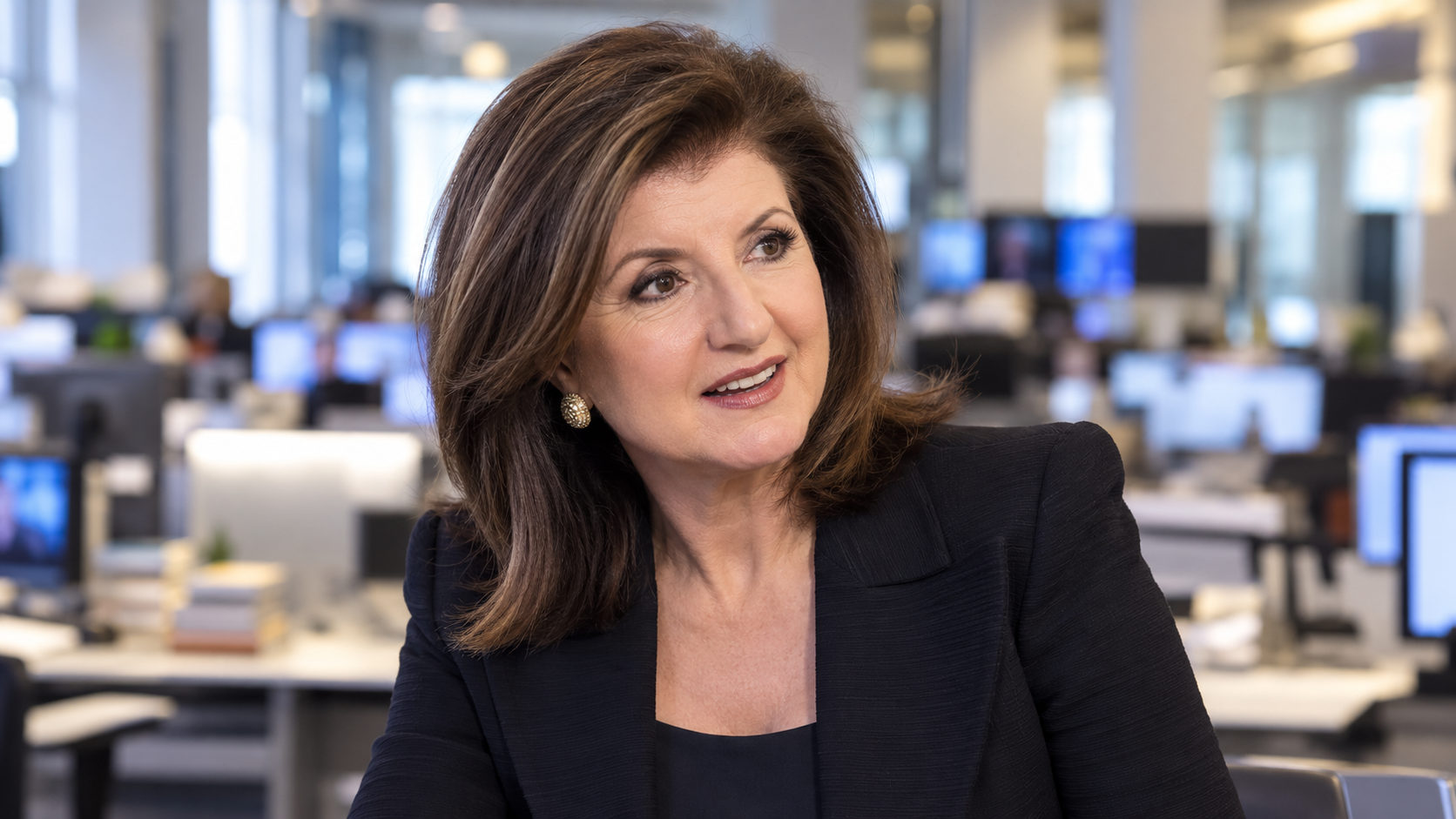
“In addition to looking after our financial capital, we need to look after our human capital.”
Arianna Huffington made this case in her 2013 Smith College Commencement address, where she challenged a definition of success based only on money and power. She described the personal collapse that followed chronic exhaustion and argued for a “third metric” including well-being, wisdom, wonder, and service. Her business point was direct: an organization that protects cash, equipment, and intellectual property while exhausting the people who use them is mismanaging a critical asset.
Human capital includes skill, judgment, attention, health, relationships, and the capacity to learn. Those resources can grow through practice and recovery, but they can also be depleted by unsafe workloads, constant interruption, and cultures that reward visible busyness. Financial statements record labor expense; they do not fully show the cost of avoidable turnover, silent errors, lost creativity, or decisions made by chronically tired teams.
The language of “capital” can sound as if people are merely instruments. Workers have rights and lives that matter beyond productivity, and well-being programs should not become tools for extracting more effort. A meditation app cannot repair impossible staffing, unpredictable schedules, harassment, or incentives that punish rest. Taking human capital seriously means changing the conditions of work, not asking individuals to privately adapt to structural strain.
Knowledge businesses increasingly depend on sustained attention while digital systems make that attention easier to fragment. Leaders can track workload, recovery time, preventable attrition, error rates, and whether employees can raise capacity concerns without penalty. Huffington’s sentence does not set well-being against performance. It argues that durable performance requires stewardship of the people who produce it—and that a business model consuming human capability faster than it renews it is running down its own future.
Huffington spoke at Smith College in 2013 about expanding success beyond money and power after her own experience of exhaustion.
She connected well-being to the stewardship of human capital inside organizations.
Skill, attention, health, and judgment are productive capacities that can be developed or depleted.
People are not merely assets. Genuine care changes workload, incentives, safety, and voice rather than adding cosmetic wellness benefits.
Digital work can fragment attention and hide overload until quality, health, or retention deteriorates.
Sustainable performance requires systems that protect recovery, encourage early capacity signals, and invest in learning over time. That discipline helps teams preserve judgment and creativity when pressure would otherwise narrow both.
Explore more "Quotes of The Day"
Discover more notable quotes from influential voices across politics, science, business, technology, sports, and culture. Each quote offers insight into how ideas, beliefs, and decisions shape the world around us.