

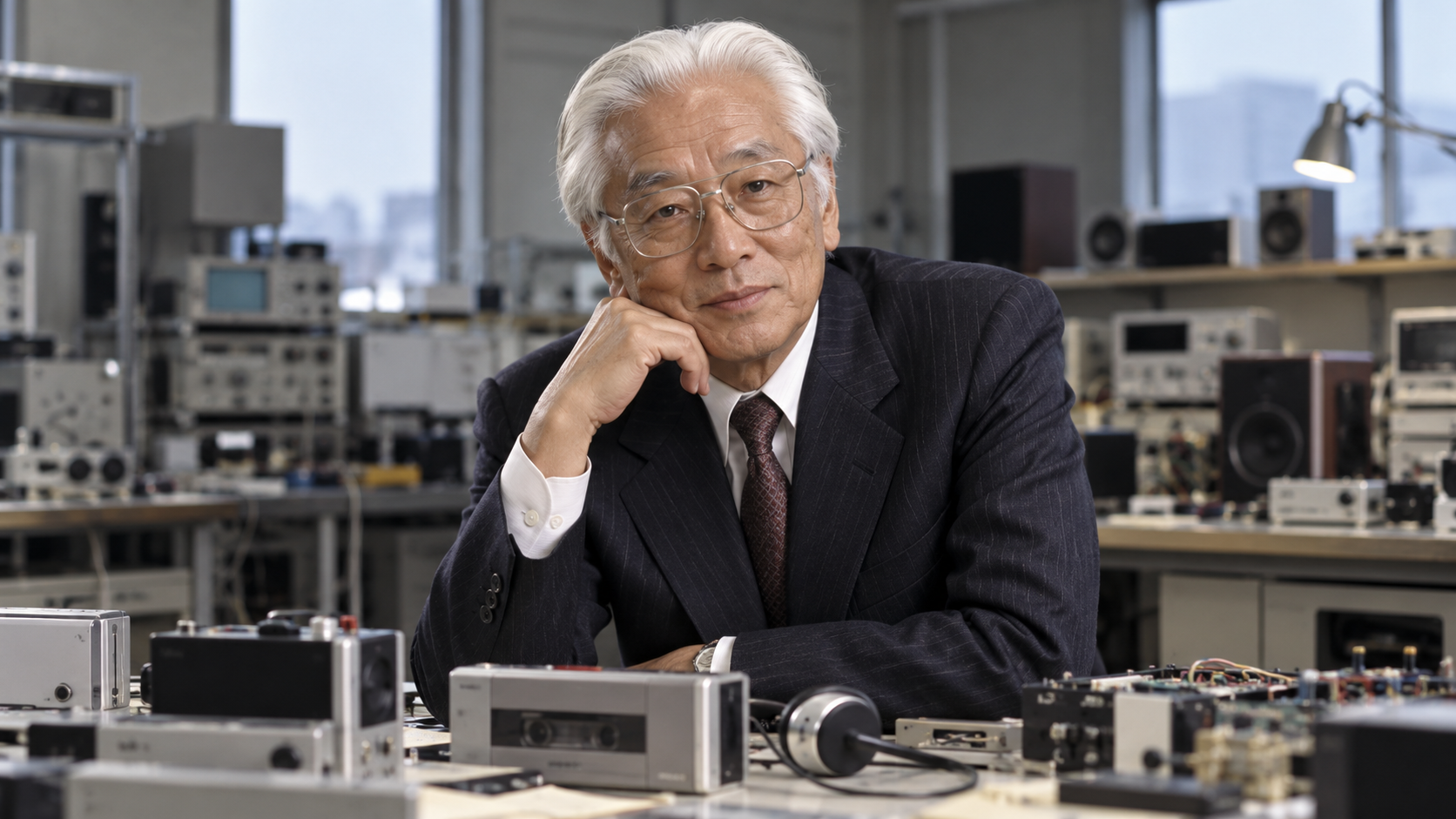
“A company will get nowhere if all of the thinking is left to management.”
Akio Morita made this argument in Made in Japan, the account of Sony’s development and management philosophy. A technology company depends on knowledge distributed across engineers, production workers, salespeople, service teams, and people close to customers. Senior executives can set direction and allocate resources, but they cannot see every technical possibility or operational flaw. When thinking is treated as a privilege of rank, the organization wastes much of the intelligence it already employs.
Distributed thinking requires more than a suggestion box. People need access to context, permission to question a method, time to investigate, and a credible path from observation to decision. Managers must explain constraints so proposals address real tradeoffs, then respond to ideas visibly enough that participation does not become theater. The goal is not to erase leadership but to improve it with information from those who build, sell, repair, and use the product.
Participation can also be romanticized. Not every decision benefits from full consensus, and specialized risks may require accountable experts. Employees should not be asked to provide unpaid strategic labor while lacking authority or recognition. Leaders remain responsible for integrating competing views and deciding under uncertainty. Morita’s warning is about monopoly over thought, not the abandonment of clear roles. Good systems widen contribution while preserving ownership of the final call.
The quote is especially relevant when organizations deploy artificial intelligence. Tools can concentrate decision-making in a small technical group or help many employees analyze problems and test ideas. The outcome depends on access, training, and governance. Companies can build regular forums where frontline evidence meets strategic context, track whether ideas move across levels, and credit contributors. Morita’s point is an innovation principle: the organization advances when thinking becomes part of every job rather than a service reserved for the top floor. One way to distribute thought is to build short improvement cycles into routine work. A team identifies friction, gathers evidence, proposes a small change, and reviews the result with the person accountable for the process. Management supplies context and removes barriers while the team retains credit for the insight. Over time, this creates a portfolio of many small advances and a workforce practiced in problem solving. Morita’s warning is answered not by occasional brainstorming events but by an operating expectation that observation, questioning, and improvement belong in every role. Ideas gain momentum when contribution is expected, supported, and visibly respected across the entire organization.
Morita included the statement in Made in Japan, his 1986 account of Sony’s history and management philosophy.
Sony’s product development depended on connecting technical, production, sales, and customer knowledge.
Organizations waste intelligence when only executives are expected or permitted to think about improvement.
Distributed contribution still needs context, recognition, expert accountability, and clear ownership of final decisions.
AI can either concentrate judgment or give more employees tools to investigate and propose improvements.
Access, training, and visible response determine whether participation becomes innovation or empty theater.
Explore more "Quotes of The Day"
Discover more notable quotes from influential voices across politics, science, business, technology, sports, and culture. Each quote offers insight into how ideas, beliefs, and decisions shape the world around us.