

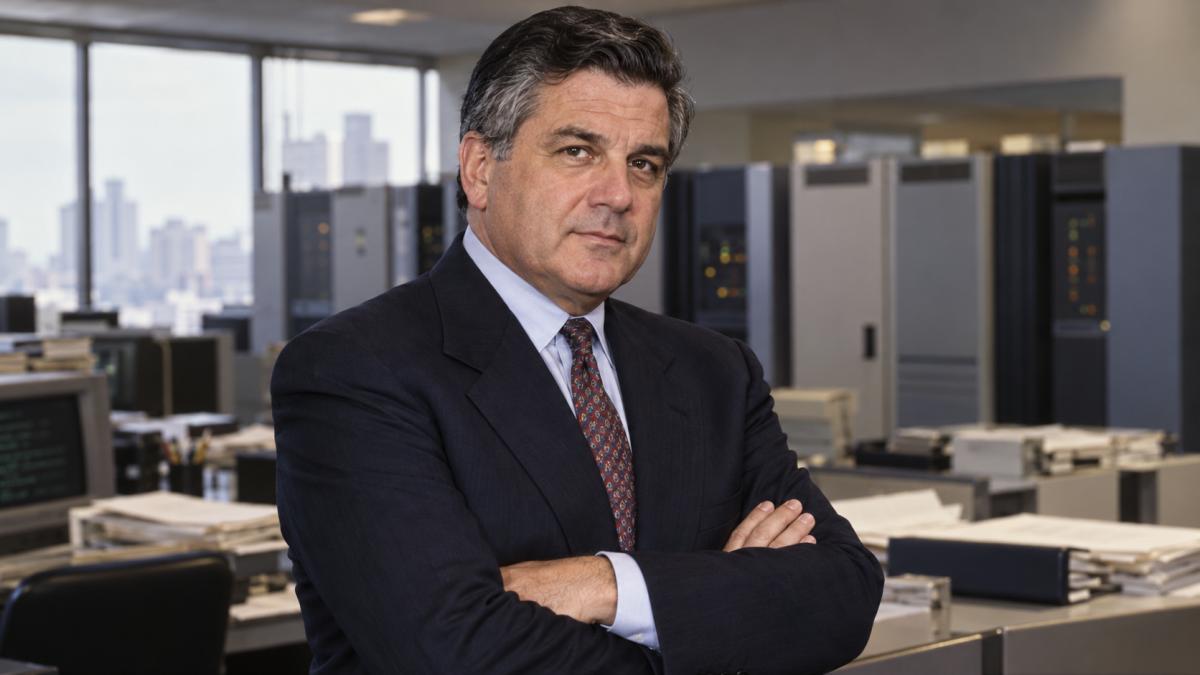
“The last thing IBM needs right now is a vision.”
Louis V. Gerstner Jr. made this deliberately provocative remark soon after becoming IBM’s chief executive in 1993, when the company was losing billions and many observers expected it to be broken apart. He did not mean that direction was permanently irrelevant. The words “right now” mattered. IBM first needed urgent operational work: stop the financial decline, understand customers, improve execution, and hold the integrated company together. Gerstner later articulated a strategy around services and integration, but the early sentence rejected visionary performance as a substitute for confronting an immediate crisis.
The quote teaches sequence. When cash is disappearing, service is failing, or basic accountability is absent, leaders may need to stabilize the system before announcing a distant destination. That means establishing facts, protecting essential customers and employees, reducing avoidable cost, and making decisions fast enough to restore room for choice. Concrete actions can also reveal strategic information. Close customer contact during the turnaround helped IBM understand the value of solving complex, cross-vendor problems, which supported the services direction that followed.
Taken out of context, the line can become an excuse for endless short-termism. A company cannot cut its way to relevance, and crisis actions create commitments that shape the future. Employees need enough explanation to understand what is being preserved and why sacrifice is necessary. Gerstner’s later record shows that operational urgency and strategic vision are not opposites; their timing and connection matter. Stabilization should create capacity for a credible future, not consume the people, research, trust, and customer relationships on which renewal depends.
The lesson fits transformation programs that launch with sweeping language while basic data, ownership, and service remain unreliable. Leaders can name the immediate constraint, define a short stabilization horizon, and state what evidence will trigger the next strategic phase. They should communicate both what is known now and what is still being learned. Gerstner’s sentence is valuable because it resists leadership theater. In some moments, the most visionary act is to stop pretending that a slogan can replace diagnosis, disciplined execution, and direct contact with reality. The stabilization horizon should include guardrails against irreversible damage. Leaders can specify minimum customer service, safety, research, and talent-retention levels that short-term cuts may not cross. They can also name the indicators that show stability has returned. Without an exit condition, emergency management becomes the permanent operating model; with one, urgent discipline creates the runway for strategic investment rather than consuming it.
Gerstner made the remark shortly after taking charge of a deeply troubled IBM in 1993.
He emphasized “right now,” then stabilized operations and later built a strategy around integrated solutions and services.
Crisis leadership may require facts, cash discipline, customer attention, and operating reliability before a grand declaration.
The sentence does not reject long-term direction; stabilization must preserve the capabilities and trust needed for renewal.
Transformation rhetoric often arrives before basic ownership, data quality, or service performance is under control.
A defined stabilization phase creates evidence and capacity from which a credible strategy can then be built.
Explore more "Quotes of The Day"
Discover more notable quotes from influential voices across politics, science, business, technology, sports, and culture. Each quote offers insight into how ideas, beliefs, and decisions shape the world around us.