

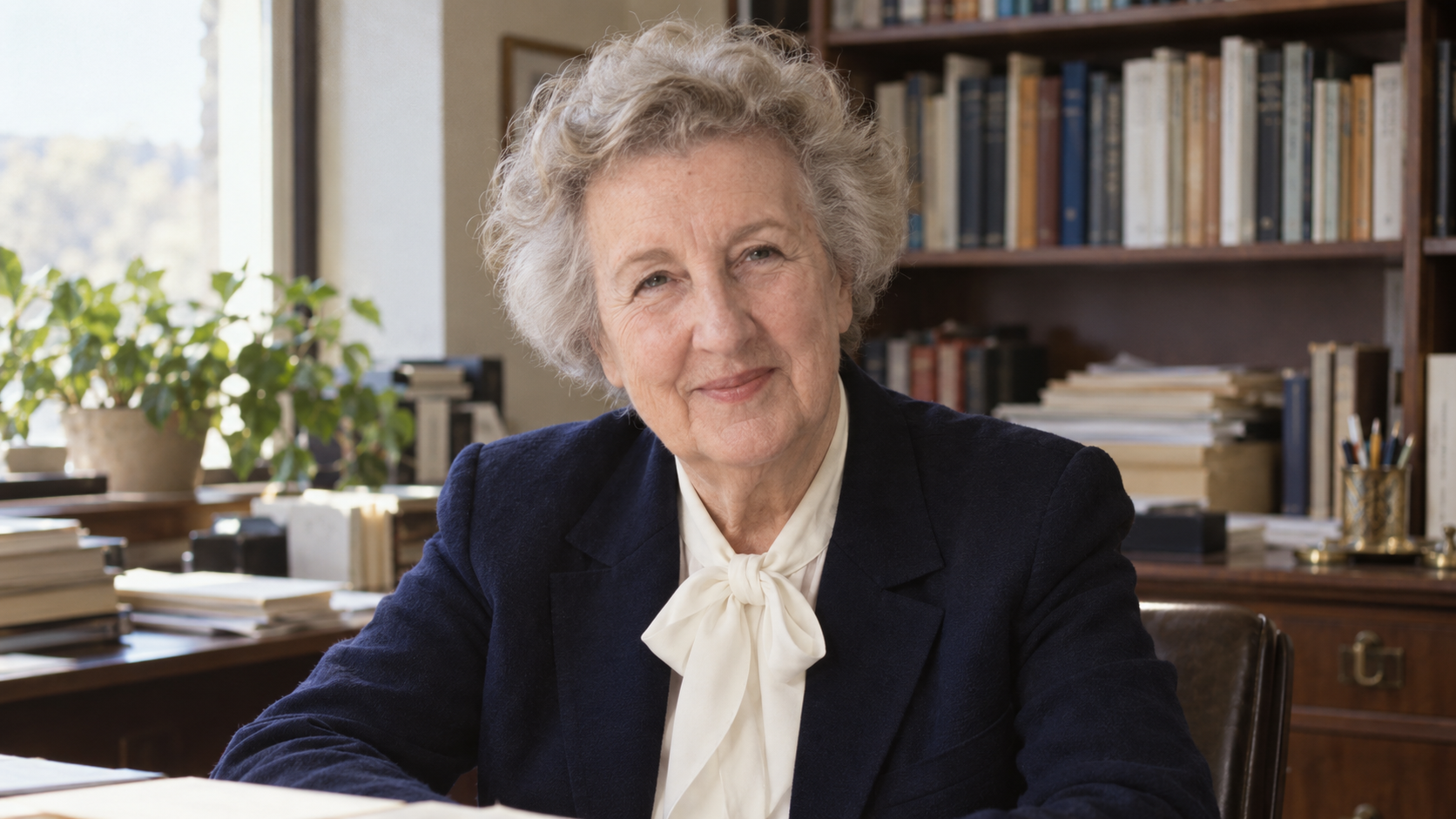
“And to do this in such a way as to help him gain independence as rapidly as possible.”
The smallest act of assistance can raise a surprisingly large question: does this help someone do more for themselves, or quietly take away an opportunity they wanted to keep? Virginia Henderson placed that question within her definition of nursing. The featured sentence concludes a longer statement about assisting a person with activities related to health, recovery, or a peaceful death when strength, will or knowledge is insufficient. Roger Williams Medical Center preserves that definition in its published model of care and attributes it to Henderson’s 1966 book The Nature of Nursing. A Jones & Bartlett nursing textbook also reproduces the wording, citing an earlier 1960 publication. Those sources establish the sentence’s place within an evolving definition; they do not require treating 1966 as its first appearance. Its opening conjunction matters because the goal of independence follows, and gives direction to, the assistance described before it.
There is a difference between completing a task quickly and helping someone recover confidence in doing it. Picture a person who wants to button a shirt slowly after illness. Taking over may shorten the immediate task, but it can also overlook what participation means to that person. Conversely, asking someone to perform an activity they cannot safely manage is not a respectful way to promote independence. The quotation therefore invites judgment rather than a rigid rule. Help may involve doing something on someone’s behalf, sharing the work, explaining it, or waiting while they try. What makes these responses coherent is attention to the person’s abilities, preferences and circumstances. Independence can include choosing the kind of support received. It need not mean managing every activity alone or declining equipment, professional care and help from others. A useful question is whether assistance expands a person’s practical control over their day.
The phrase about speed deserves a thoughtful reading. It expresses a direction of care, but it should not become a deadline imposed on a body or mind. People recover at different rates, and some needs for assistance remain. The full definition’s inclusion of a peaceful death also reminds readers that nursing cannot be measured only by recovery. Dignity and comfort retain their importance when increasing independence is limited or impossible. In everyday support, the sentence may encourage a conversation about what the person hopes to regain and which tasks matter most to them. It may also prompt a caregiver to explain before acting and offer a choice where a choice exists. These examples interpret Henderson’s words; they are not individualized clinical instructions. The lasting value of the quotation is its attention to purpose. Assistance should answer a need while preserving the person’s place in decisions about their own life.
It concludes Henderson’s longer definition of nursing assistance. The earlier sentence describes helping with activities related to health, recovery or a peaceful death.
The article identifies this as an excerpt and explains its connection to the preceding statement. It is not presented as an unrelated slogan.
A person can exercise choice while using assistance, equipment or professional services. Independence is not a requirement to manage every task without help.
The article interprets the definition through practical control, participation and preferences. Support should respond to actual abilities and circumstances.
The quotation expresses a goal of assistance, not a predicted recovery time. Persistent disability or illness does not make a person or caregiver a failure.
Henderson’s wider definition includes care at the end of life. Comfort and dignity matter even where greater independence is not attainable.
Explore more "Quotes of The Day"
Discover more notable quotes from influential voices across politics, science, business, technology, sports, and culture. Each quote offers insight into how ideas, beliefs, and decisions shape the world around us.