

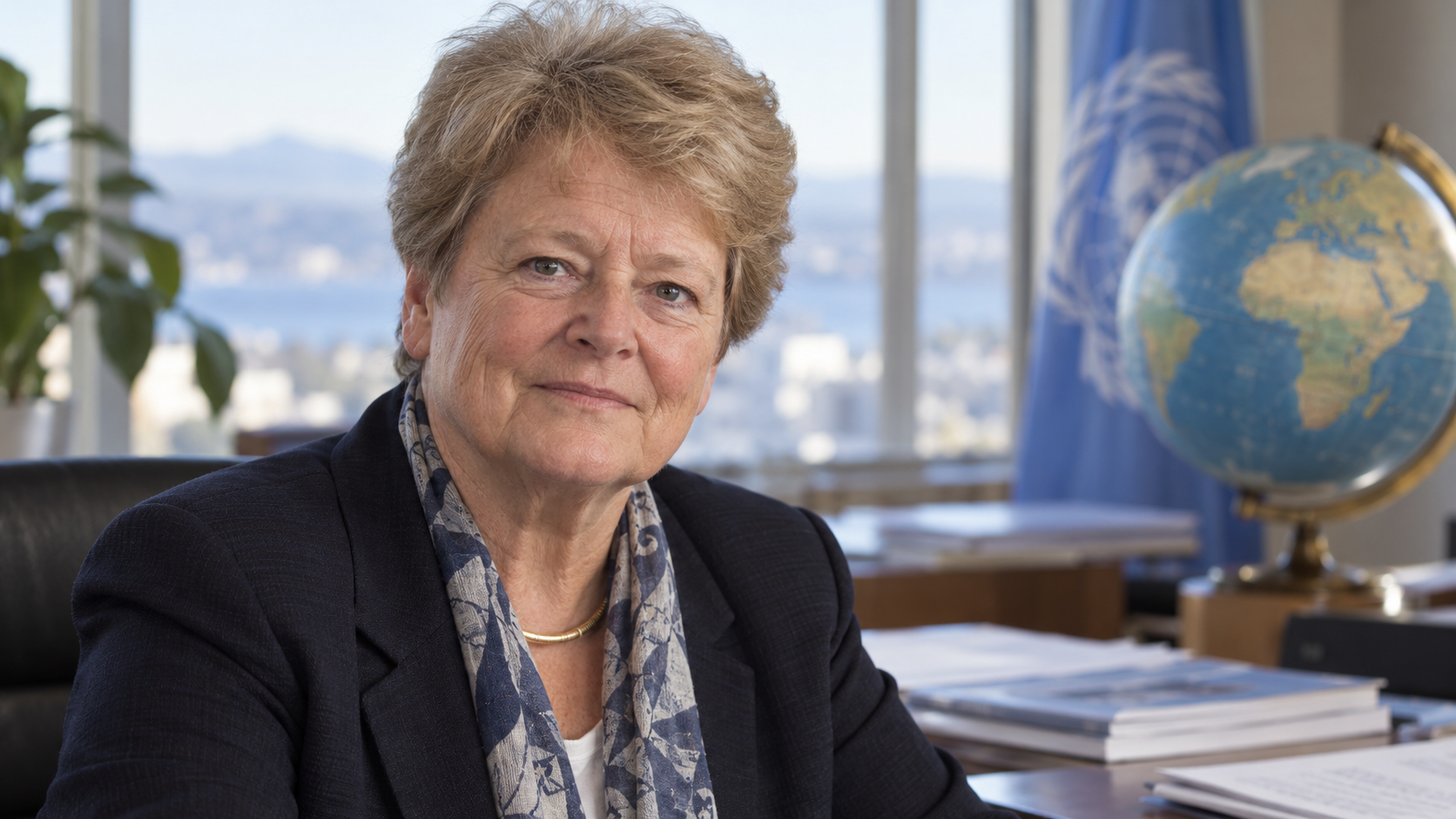
“Health is central to development.”
Gro Harlem Brundtland stated “Health is central to development” in her 2003 address to the World Health Assembly. As a physician, former Norwegian prime minister, and outgoing Director-General of the World Health Organization, she had spent her term pressing governments to treat health as a driver of human and economic progress. In the surrounding speech, she linked diseases of poverty with lost freedom, weakened institutions, and stalled development. The line reverses the idea that countries must first become prosperous and only later invest in health. People need health to learn, work, care for families, participate in public life, and use opportunity. Brundtland’s address also connected health with freedom, arguing that poverty-linked disease deprives people of the ability to pursue development on their own terms.
The relationship also runs the other way. Income, education, clean environments, peace, infrastructure, and political inclusion shape who becomes ill and who can recover. Calling health central does not mean every policy should be reduced to a medical outcome or that economic growth automatically improves well-being. Development projects can displace communities, pollute air and water, or widen inequality even while increasing national income. A health-centered approach asks how benefits and burdens are distributed and whether progress expands people’s real capabilities. It also recognizes that hospitals alone cannot repair conditions continually producing illness. That framing makes distribution essential because national improvement can coexist with communities whose preventable illness continues to limit participation.
Brundtland’s sentence can guide decisions far outside a ministry of health. Transport affects injury, air quality, and access to services; housing affects exposure and stability; schools influence knowledge and lifelong opportunity; labor rules shape risk, income, and time for care. Health impact assessment, cross-sector budgeting, and public participation can make those links visible before harm is built into a project. The phrase is short because its task is to reorder priorities. Health is not merely a cost line or a reward after growth. It is part of the capacity through which communities create, withstand shocks, and share progress. Development becomes more credible when longer, healthier lives are treated as both a means and an end. Budgets can reflect the principle by treating preventive services and resilient primary care as productive social capacity, then tracking whether investment reaches the places carrying the highest burden. Long-term evaluation should include school participation, household stability, workforce opportunity, and protection from catastrophic costs when those outcomes are relevant across generations.
Learning, work, caregiving, civic life, and economic opportunity all depend on people’s capacity to live and function.
Investment in health can therefore support development rather than wait for development to finish.
Income, education, housing, environment, infrastructure, peace, and inclusion distribute risk and opportunity.
Growth can harm health when its burdens fall on communities without voice or protection.
Transport, labor, housing, schools, and environmental policy should consider health effects before decisions become fixed.
Participation and distribution matter as much as an average gain in judging whether progress is healthy.
Explore more "Quotes of The Day"
Discover more notable quotes from influential voices across politics, science, business, technology, sports, and culture. Each quote offers insight into how ideas, beliefs, and decisions shape the world around us.