

“Adversity isn't an obstacle that we need to get around in order to resume living our life.”
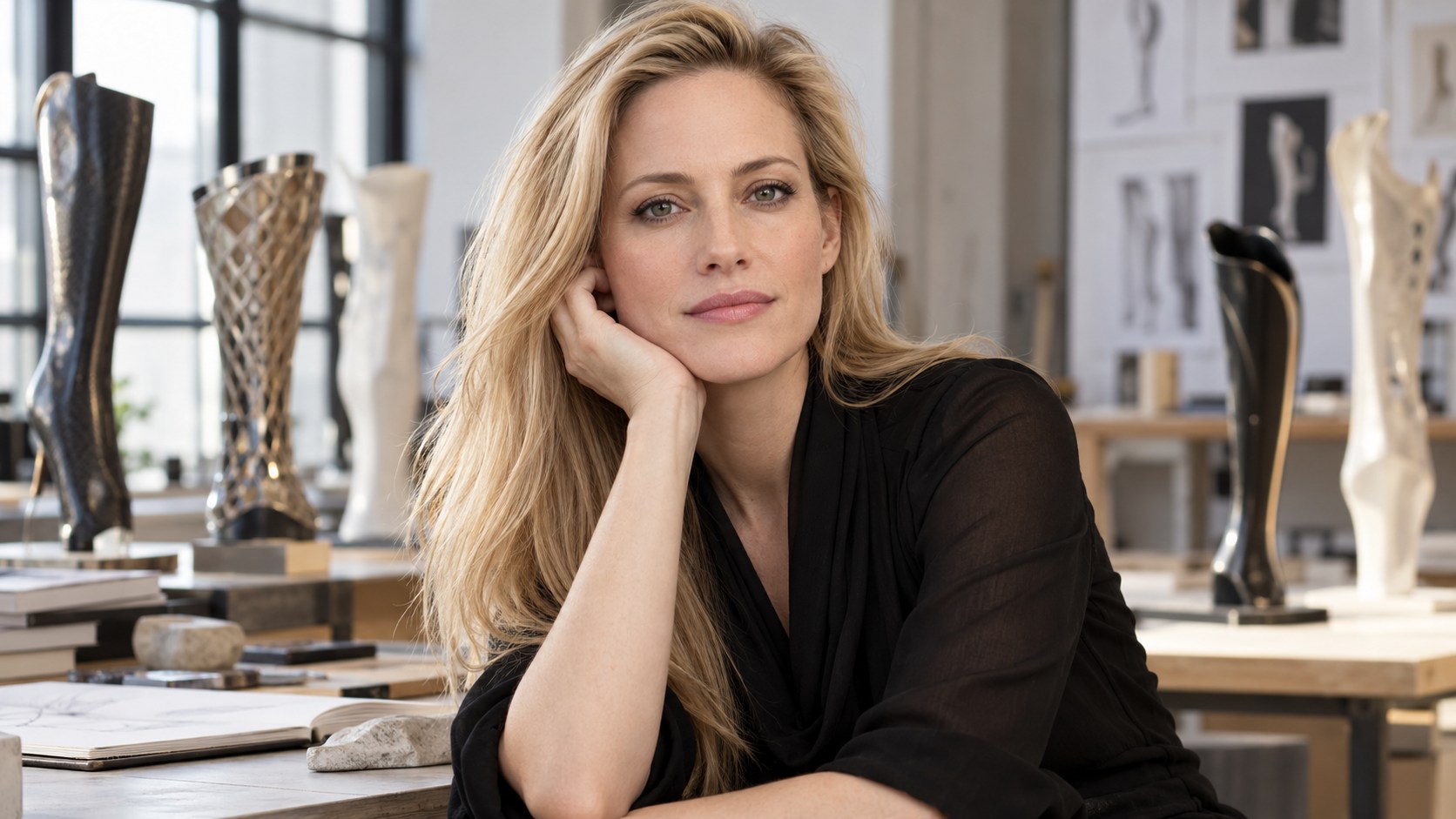
July 21 uses The Opportunity of Adversity (2009) as Aimee Mullins's documented setting. Mullins challenges narrow definitions of disability and describes how language and expectations can shape what people imagine to be possible. Mullins challenges a cultural script in which adversity is merely a blockage before normal life can resume. Drawing on disability, language, and design, she asks what becomes imaginable when difference is not reduced to deficiency. The quotation relocates living into the changed conditions rather than postponing it until they vanish. July 21 is NewsStreets placement for Aimee Mullins; 2009 is Aimee Mullins's date for The Opportunity of Adversity.
Adversity may become part of a life through which capacities, relationships, and identity develop, not merely an interruption before the real life returns. The featured wording—“Adversity isn't an obstacle that we need to get around in order to resume living our life.”—compresses that distinction for Aimee Mullins. That shift protects continuity of personhood. Adaptation, ambition, beauty, dependence, frustration, and invention can all belong to the same life. Opportunity here means room for capacities and identities to develop through new arrangements; it does not mean that injury or exclusion was secretly desirable.
Hardship is not automatically beneficial, and celebrating adaptation must not excuse preventable barriers, poor care, or discrimination. For Aimee Mullins, the boundary guards The Opportunity of Adversity from overreach. Celebrating resilience can excuse inaccessible design and inadequate care. Hardship is not a gift people owe others gratitude for, and not every loss produces growth. The ethical question is what support and agency are available, including the right to grieve without performing inspiration.
Public stories often divide disabled lives into tragedy or inspiration while overlooking ordinary agency, design, and access. Begin with the environment instead of diagnosing a person as the problem. Ask what goal matters, what barrier the setting creates, and which change the affected person prefers. A ramp, flexible process, adaptive tool, or revised assumption can convert abstract admiration into material respect. Design language matters because it determines where responsibility lands. Calling a staircase “normal” and a mobility aid “special” makes exclusion look personal. Describing access as part of the environment reveals choices that can be changed. That reframing supports innovation while avoiding the claim that every person must transform adversity into an opportunity others find impressive. For Aimee Mullins, a practical July 21 trial is this: Identify one barrier as environmental rather than personal, ask the affected person what access would help, and change the setting accordingly. On July 21, readers can test The Opportunity of Adversity through Aimee Mullins's guidance.
Aimee Mullins used the line in The Opportunity of Adversity, associated with 2009. Mullins challenges narrow definitions of disability and describes how language and expectations can shape what people imagine to be possible.
The source year identifies the documented work; July 21 is only this Quote of the Day series position, not the date when the words were first spoken or published.
Adversity may become part of a life through which capacities, relationships, and identity develop, not merely an interruption before the real life returns.
Hardship is not automatically beneficial, and celebrating adaptation must not excuse preventable barriers, poor care, or discrimination.
Public stories often divide disabled lives into tragedy or inspiration while overlooking ordinary agency, design, and access.
Identify one barrier as environmental rather than personal, ask the affected person what access would help, and change the setting accordingly.
Explore more "Quotes of The Day"
Continue exploring how writers, thinkers, artists, and advocates have described the choices that shape an everyday life.