

“A broken body isn't a broken person.”
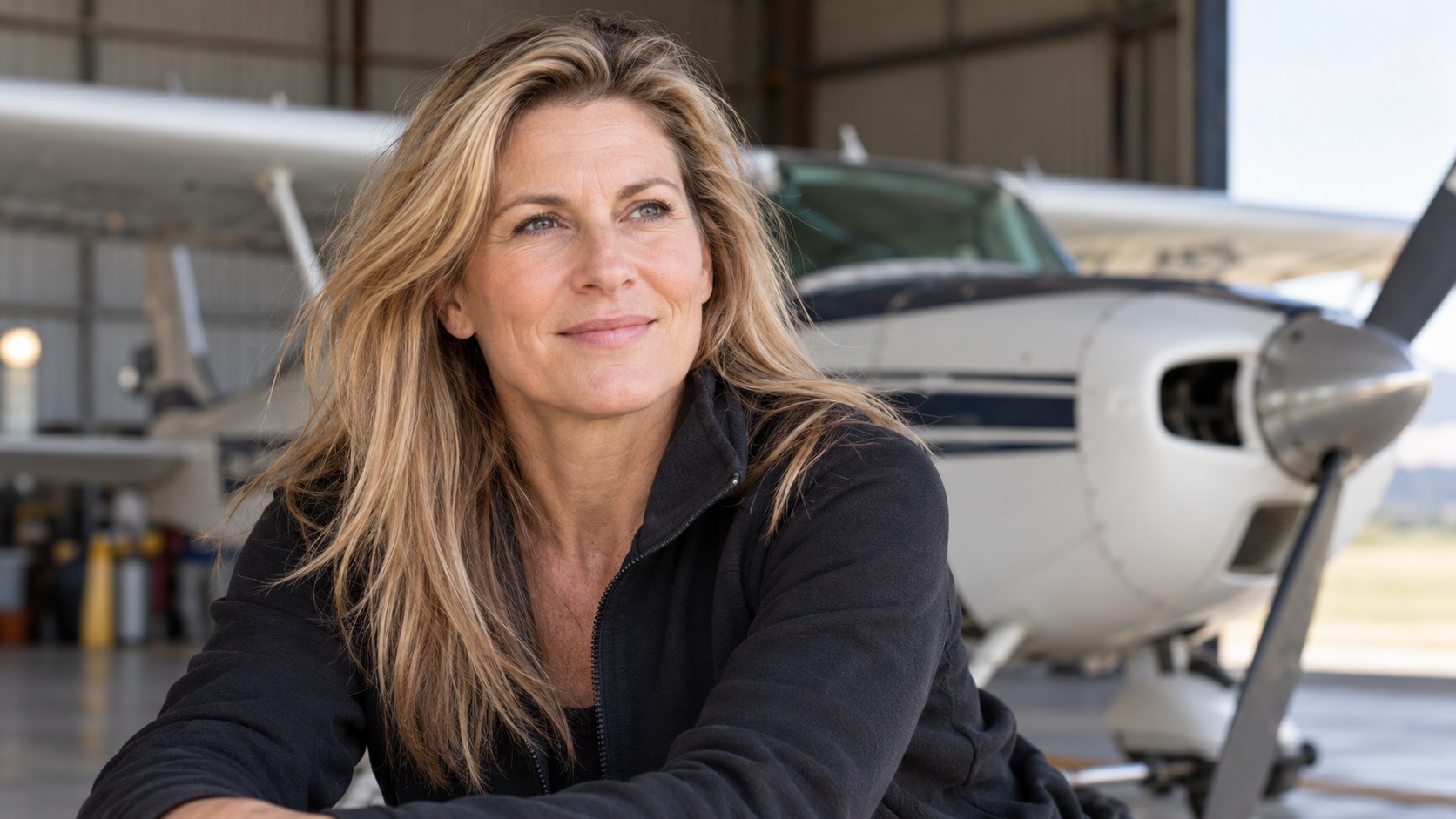
July 22 uses A Broken Body Isn't a Broken Person (2012) as Janine Shepherd's documented setting. Shepherd recounts rebuilding her life after a cycling accident ended her Olympic cross-country skiing ambitions and caused severe injuries. Shepherd recounts the collision that ended her Olympic cross-country skiing path and left her with extensive injuries, then describes learning to fly. The line resists the way medical crisis can cause observers—and sometimes the injured person—to equate a changed body with a destroyed identity. July 22 is NewsStreets placement for Janine Shepherd; 2012 is Janine Shepherd's date for A Broken Body Isn't a Broken Person.
Physical capacity, identity, and human worth are related but not identical, so a changed body does not reduce a person to damage. The featured wording—“A broken body isn't a broken person.”—compresses that distinction for Janine Shepherd. Body and self cannot be separated completely, but neither are they interchangeable. Capacity may change while humor, values, relationships, curiosity, and the power to choose remain. Recovery can involve discovering a different future rather than reconstructing the exact life that existed before the accident.
Recovery is uneven, and acceptance should not become pressure to deny pain, grief, dependence, or the need for accessible support. For Janine Shepherd, the boundary guards A Broken Body Isn't a Broken Person from overreach. The distinction must not minimize pain or demand heroic adaptation. Rehabilitation can be slow, dependence can be real, and accessible support matters. Acceptance is not a deadline imposed by spectators, nor does a new direction erase grief for the one that closed.
Illness and injury can make other people speak about a body as though the person who inhabits it has disappeared. Everyday language is a practical place to start. Replace a deficit-based assumption with a direct question about goals and preferred assistance, then believe the answer. Respect becomes visible when help increases control for the person receiving it instead of making the helper feel central. A changed future may contain forms of expertise that the original ambition could not reveal. Shepherd's turn toward aviation illustrates possibility without establishing a required redemption arc. What matters is ownership of the next direction. Rehabilitation serves a life when it expands choice, not when it pressures someone to produce a story that reassures spectators. For Janine Shepherd, a practical July 22 trial is this: Replace one deficit-based assumption with a direct question about goals, access, and preferred help, then respect the answer. On July 22, readers can test A Broken Body Isn't a Broken Person through Janine Shepherd's guidance.
Janine Shepherd used the line in A Broken Body Isn't a Broken Person, associated with 2012. Shepherd recounts rebuilding her life after a cycling accident ended her Olympic cross-country skiing ambitions and caused severe injuries.
The source year identifies the documented work; July 22 is only this Quote of the Day series position, not the date when the words were first spoken or published.
Physical capacity, identity, and human worth are related but not identical, so a changed body does not reduce a person to damage.
Recovery is uneven, and acceptance should not become pressure to deny pain, grief, dependence, or the need for accessible support.
Illness and injury can make other people speak about a body as though the person who inhabits it has disappeared.
Replace one deficit-based assumption with a direct question about goals, access, and preferred help, then respect the answer.
Explore more "Quotes of The Day"
Continue exploring how writers, thinkers, artists, and advocates have described the choices that shape an everyday life.