

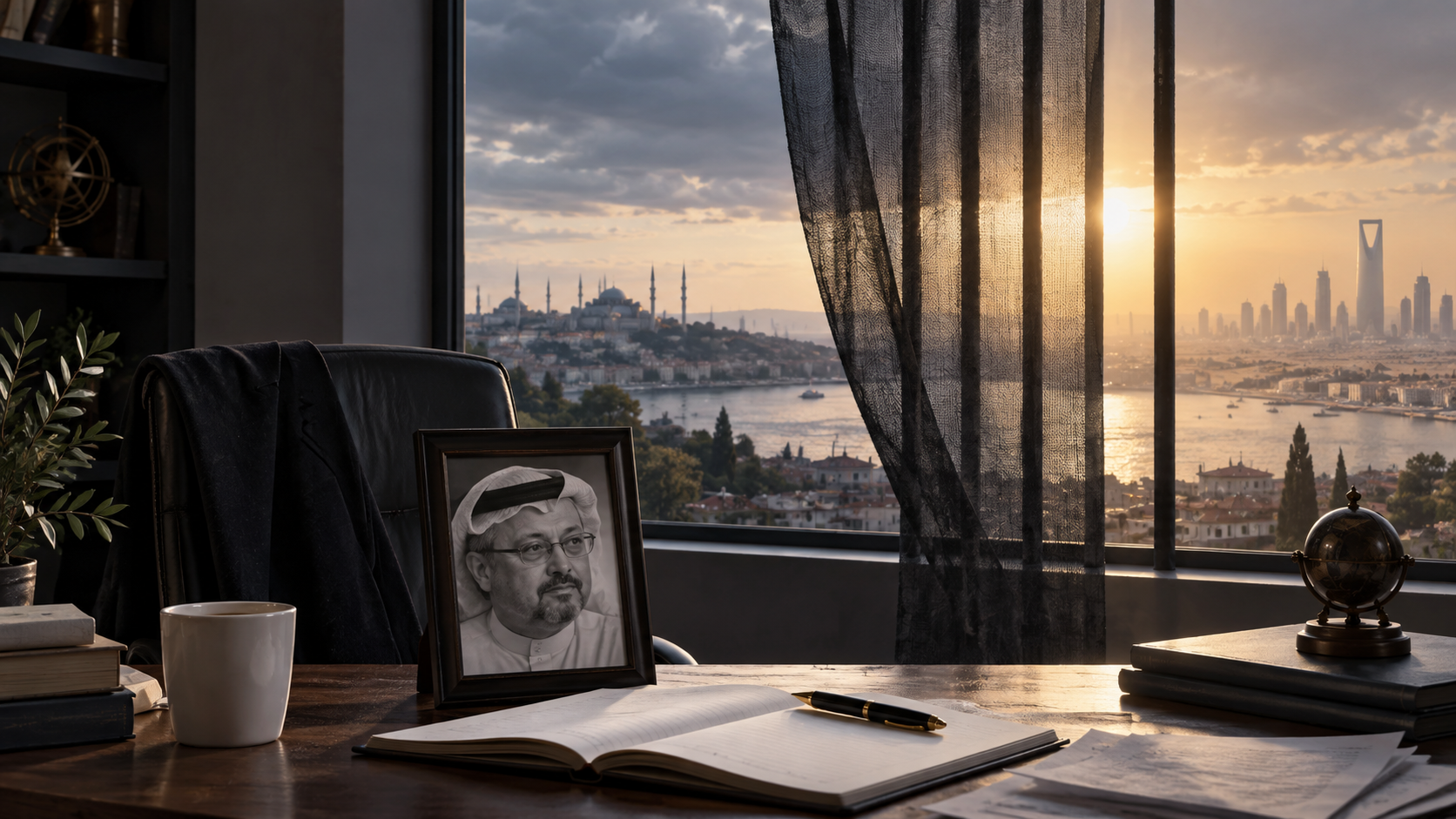
“The Arab world is facing its own version of an Iron Curtain.”
Jamal Khashoggi wrote this warning in his final column for The Washington Post, published in October 2018 after he was killed inside the Saudi consulate in Istanbul. He argued that censorship and state-controlled media had left many Arab citizens without reliable information about their own societies. The Iron Curtain metaphor described informational isolation rather than a literal regional boundary. Khashoggi called for a modern platform where Arab writers could publish, translate, and debate ideas free from government domination.
The quotation should be read within Khashoggi’s specific argument, not as a claim that every Arab country or newsroom is identical. The region contains different laws, institutions, conflicts, and independent journalists working under varying risks. Broad labels can erase that diversity. Reporting on press freedom should identify which government action, ownership structure, detention, blocking order, or threat restricts information. It should also credit local journalists rather than presenting outside observers as the only sources of independent knowledge.
Khashoggi’s killing gave the column a grave significance, but the article’s enduring value lies in its institutional proposal: public debate needs spaces where information can circulate across borders and censorship. Exiled outlets, encrypted communication, and collaborative investigations now perform parts of that role, while surveillance and transnational repression create new dangers. A free information space does not guarantee agreement or accuracy. It gives journalists and citizens the opportunity to compare evidence, challenge official narratives, and maintain a record that power cannot completely control.
Khashoggi’s Iron Curtain metaphor should lead reporters toward specificity about how public space is closed. Censorship can operate through licensing, ownership, surveillance, travel restrictions, criminal law, advertising pressure, online blocking, and threats against journalists or their families. These mechanisms differ across countries, and regional coverage should name the responsible institutions rather than treating the Arab world as a single political system. It should also document independent outlets, exiled reporters, local reform efforts, and audiences finding ways around restriction, avoiding a narrative in which repression is total or culturally inevitable. The quotation’s continuing relevance lies in the connection between free expression and shared political knowledge: when citizens cannot compare accounts across borders, authorities face less scrutiny and abuses become easier to deny. Journalism can resist that isolation through careful attribution, secure collaboration, translated reporting, and preservation of records, while remaining candid about the risks borne by people closest to the story. It should follow how those risks change after international attention finally fades.
Khashoggi’s final column was written before his killing and published afterward. It argued that censorship and state control had deprived many Arab publics of a shared space for information and debate.
The metaphor should not flatten a diverse region into one political condition. Accurate coverage names particular laws, governments, owners, and threats while recognizing local independent journalism.
Cross-border collaboration and exile media can preserve public records when domestic space closes, but they require source security, sustainable funding, and protection from transnational repression.
Explore more "Quotes of The Day"
Discover more notable quotes from influential voices across politics, science, business, technology, sports, and culture. Each quote offers insight into how ideas, beliefs, and decisions shape the world around us.