

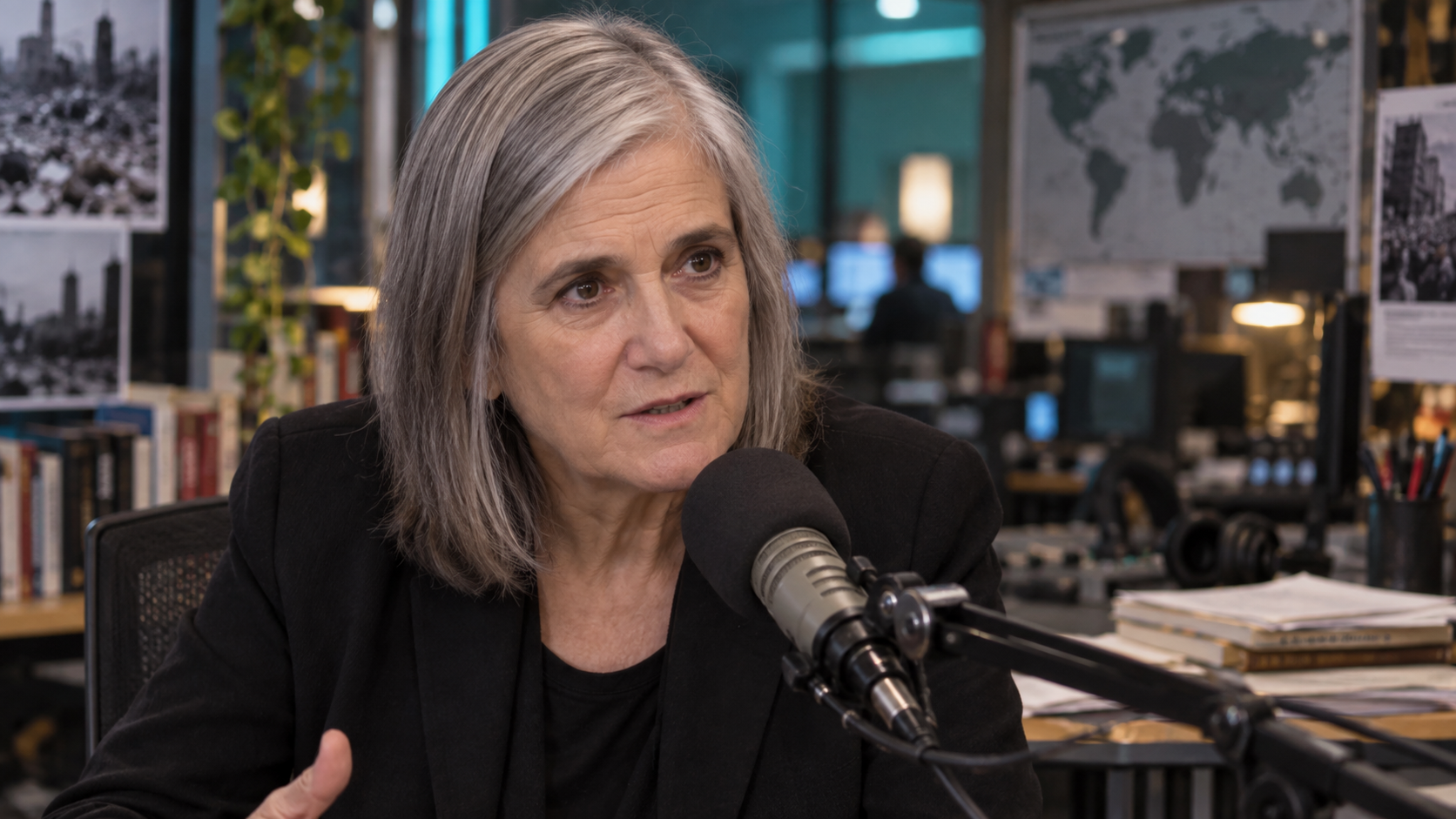
“Our job is to go to where the silence is.”
Amy Goodman described this mission during Democracy Now!’s twentieth-anniversary broadcast in December 2016. She had just revisited the program’s reporting from Flint and Standing Rock, stories in which residents organized, documented harm, and forced neglected facts into national view. Goodman noted that such communities were not literally quiet: people were speaking, protesting, and developing strategies. The silence existed in a media system that often failed to hear them. Her sentence therefore identifies reporting as an act of attention. Journalists decide whose experiences count as news whenever they choose an assignment, a source list, or a place from which to report.
Going toward silence requires more than handing a microphone to someone rarely quoted. It means learning why information has been overlooked, building trust without promising favorable coverage, and testing testimony against documents, observations, and additional sources. A reporter may discover that an official account omits local consequences, or that a familiar narrative flattens disagreements within a community. The goal is not to reverse the hierarchy so that every marginal claim becomes true by definition. It is to widen the field of evidence, make excluded knowledge available for scrutiny, and let people describe their own lives before journalists summarize what those lives mean.
The approach also demands transparency about power. Newsrooms have limited time, money, and attention; platforms reward stories that already attract reaction. Editors should be able to explain why some subjects receive sustained coverage while others appear only after crisis. Reporters can audit recurring source lists, compare public statements with conditions on the ground, and return after the cameras leave. Those practices reduce the chance that underrepresented people become scenery for a single dramatic story. They also help distinguish accountable inclusion from extractive storytelling, in which a newsroom gains urgency or emotion while the people involved receive neither context nor meaningful follow-up.
Goodman’s line remains especially useful when recommendation systems can amplify what is already popular and make repetition look like public importance. Journalism can counter that loop by investing in local partnerships, multilingual reporting, beat expertise, and fieldwork beyond official events. The standard is not novelty for its own sake. An overlooked story deserves attention when careful reporting shows that it affects rights, safety, resources, or public understanding. Going where the silence is means treating absence as a question: Who is missing from the record, what evidence would clarify the omission, and what would citizens understand differently if the reporting were done well?
Goodman used the line during Democracy Now!'s December 2016 twentieth-anniversary broadcast after highlighting reporting from Flint and Standing Rock and explaining the program's focus on stories outside the corporate media agenda.
Silence here means exclusion from sustained coverage, not an absence of voices. Ethical reporting still requires corroboration, context, informed participation, and room for disagreement within communities.
Algorithmic attention makes the principle newly relevant. Source audits, local partnerships, multilingual work, and follow-up reporting help newsrooms find consequential evidence before popularity determines importance.
Explore more "Quotes of The Day"
Discover more notable quotes from influential voices across politics, science, business, technology, sports, and culture. Each quote offers insight into how ideas, beliefs, and decisions shape the world around us.