

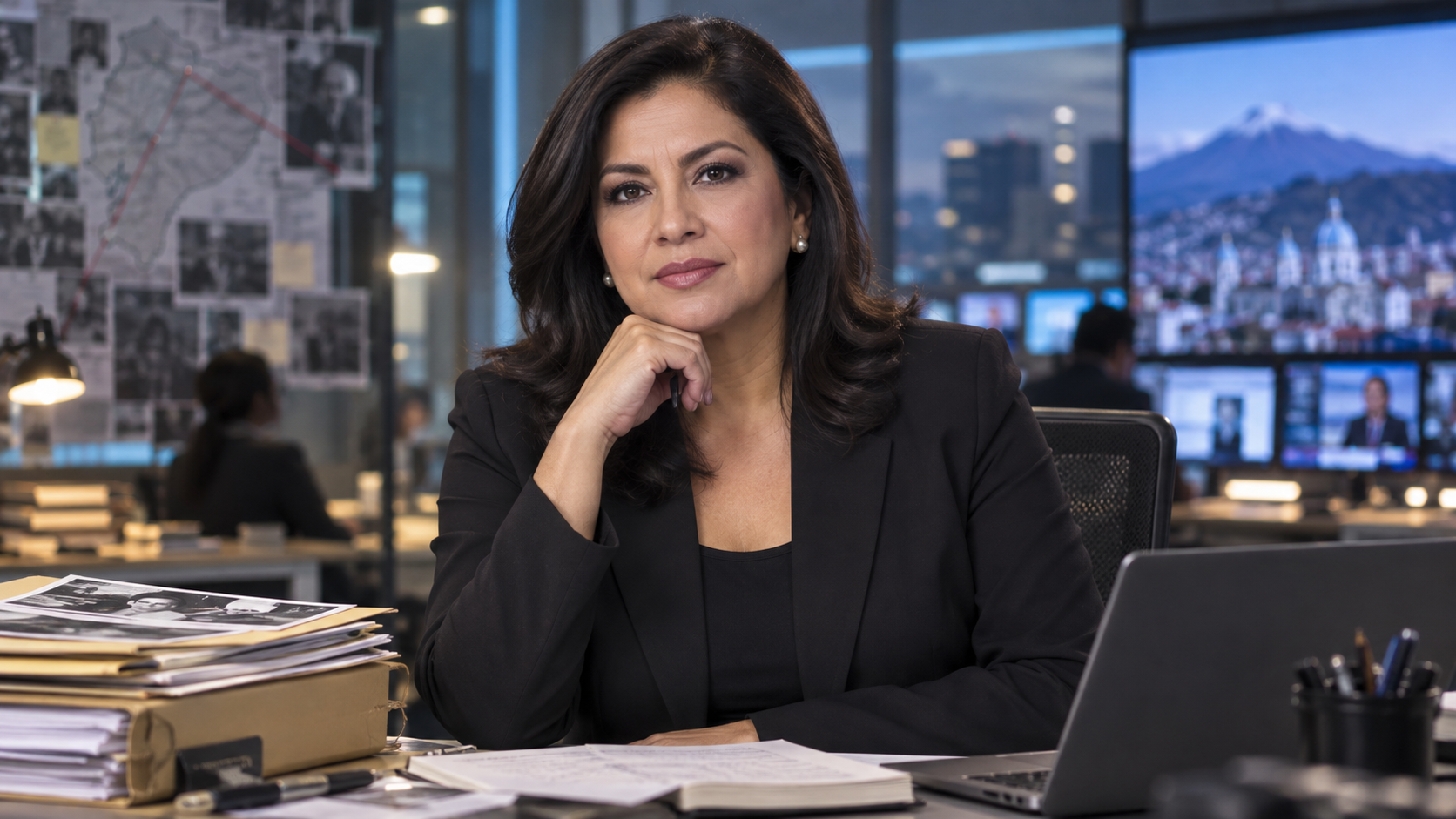
“A democracy with people who are conveniently silent or afraid to tell the truth is not a democracy.”
Ecuadorian journalist Janet Hinostroza delivered this warning while accepting the Committee to Protect Journalists’ 2013 International Press Freedom Award. She described a climate in which official propaganda stigmatized reporters, sources feared association with them, and economic or political pressure made silence attractive. Her sentence links democracy to more than elections or formal institutions. People must be able to investigate, speak, question, and receive information without intimidation. When fear shapes what can be said—or convenience rewards looking away—the public loses the evidence needed to judge those who govern.
Journalists have a particular role because their work can make isolated knowledge public and connect individual experiences to systems of power. Hinostroza spoke of the capacity to reveal corruption, make powerful actors uncomfortable, and give attention to people heard least. Those aims depend on method. Reporters need documents, corroboration, right of reply, secure communication, and language that does not outrun the facts. Press freedom is not a license to publish any accusation; it is the space required to investigate responsibly and let evidence reach citizens even when influential interests object.
Her phrase also recognizes that censorship is not always a visible ban. Strategic lawsuits, surveillance, online harassment, advertising pressure, threats against family members, and coordinated smears can make truthful work personally or financially costly. Self-censorship may follow even when a newsroom remains legally open. Responses must therefore include safety planning, legal defense, transparent funding rules, peer support, and solidarity across competing outlets. Editors should document threats and avoid leaving individual reporters to absorb institutional risk alone. A democratic information system depends on whether people can continue asking questions after retaliation begins.
The warning applies beyond professional media. Whistleblowers, local witnesses, researchers, and ordinary residents also need credible routes for bringing evidence forward. Newsrooms can protect those routes by minimizing unnecessary personal data, explaining confidentiality clearly, and publishing enough methodology for readers to assess the work. Citizens, meanwhile, can support independent reporting and reject campaigns that treat scrutiny itself as disloyalty. Hinostroza’s sentence is ultimately a test of public life: democracy is weakened not only when truth is formally prohibited, but whenever fear and comfort combine to keep consequential facts outside the shared record. Measuring those conditions is possible. Outlets can track unanswered public-records requests, legal threats, source withdrawals, blocked access, and attacks on staff, then report the pattern instead of allowing each incident to disappear as a private newsroom problem. Public visibility can turn scattered pressure into evidence of a system.
Hinostroza made the statement in her November 26, 2013 CPJ award speech while describing propaganda, intimidation, and the social isolation faced by journalists in Ecuador.
The quote concerns conditions for public knowledge, not immunity from criticism. Strong press freedom supports evidence-based investigation, right of reply, correction, and safe access to sources.
Modern pressure can be legal, economic, digital, or physical. Collective safety plans, legal support, transparent ownership, and solidarity help prevent intimidation from becoming routine silence.
Explore more "Quotes of The Day"
Discover more notable quotes from influential voices across politics, science, business, technology, sports, and culture. Each quote offers insight into how ideas, beliefs, and decisions shape the world around us.